
What keeps a product safe in a box
A product arrives in one piece when four things are right: a box made for the journey it's on, a size that fits, something holding the product still, and a little space between the product and the walls, where the knocks land. Get those right, close the box properly, and a parcel can be thrown, stacked and dropped on a doorstep, and your customer still opens it to find everything exactly where you put it.
Movement is the one to watch. A product that can slide picks up speed inside the box, so every bump in the van becomes a hit against the wall. Hold it still, and those hits never happen.
Choose a box that suits the journey
Start with how the box travels, because that decides everything that goes inside it. Some boxes are made to go through the post on their own. Others are made for a shelf or a gift, and travel inside a plain outer box.
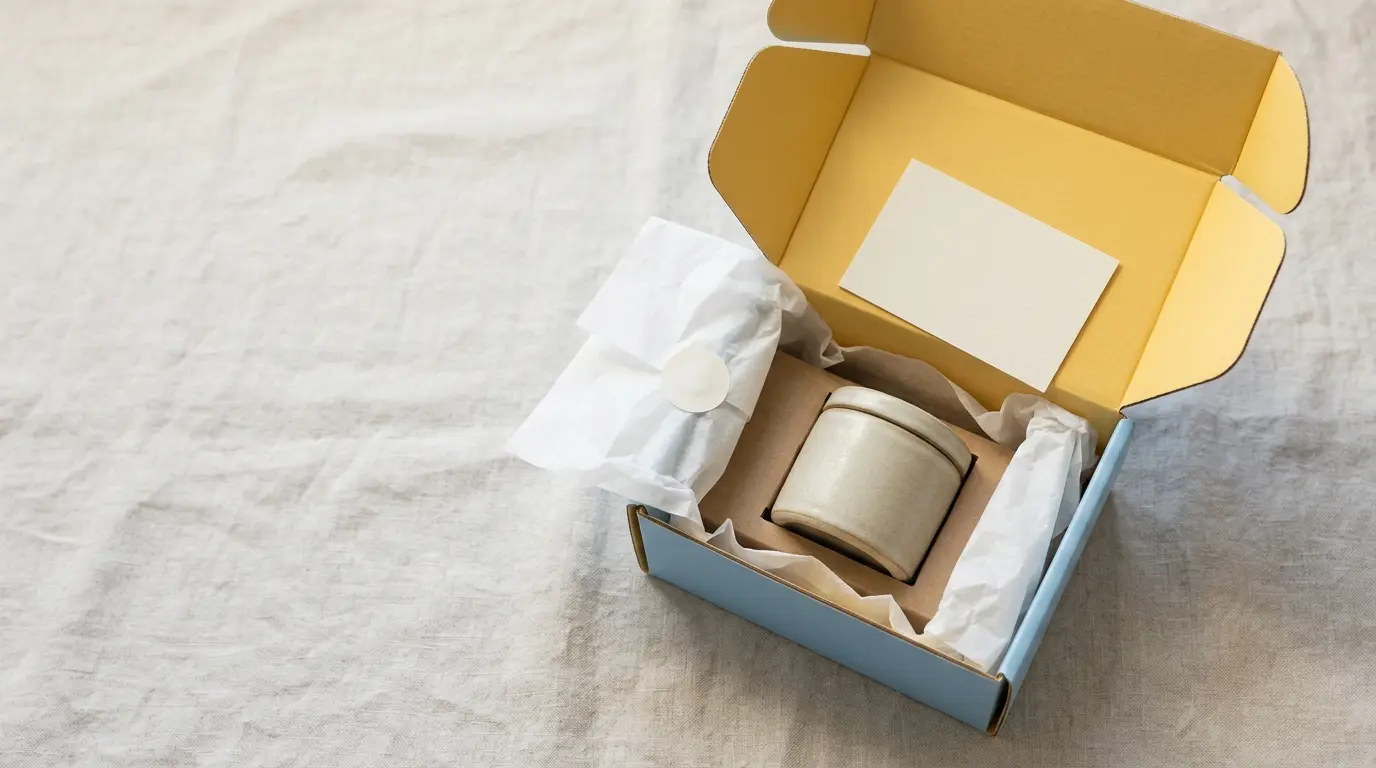
- Mailer boxes ship on their own. Their corrugated walls do part of the protecting, so a light or mid-weight product needs little more than an insert.
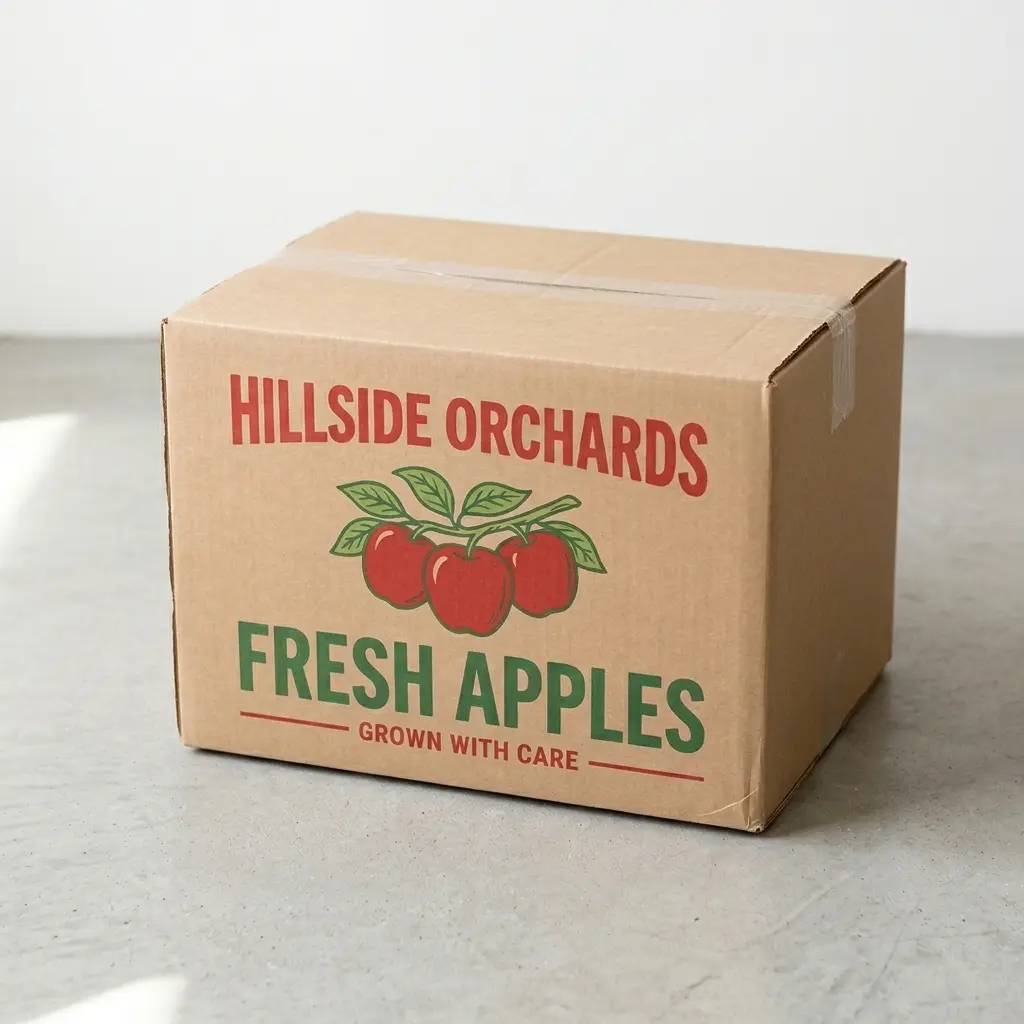
- Shipping boxes are for weight. A double-wall box carries heavy or bulky products, or several printed boxes at once.
- Folding cartons are made for shelves, not the post. Paperboard has no flute to cushion a drop, so a carton that's posted travels inside a mailer or a shipping box.
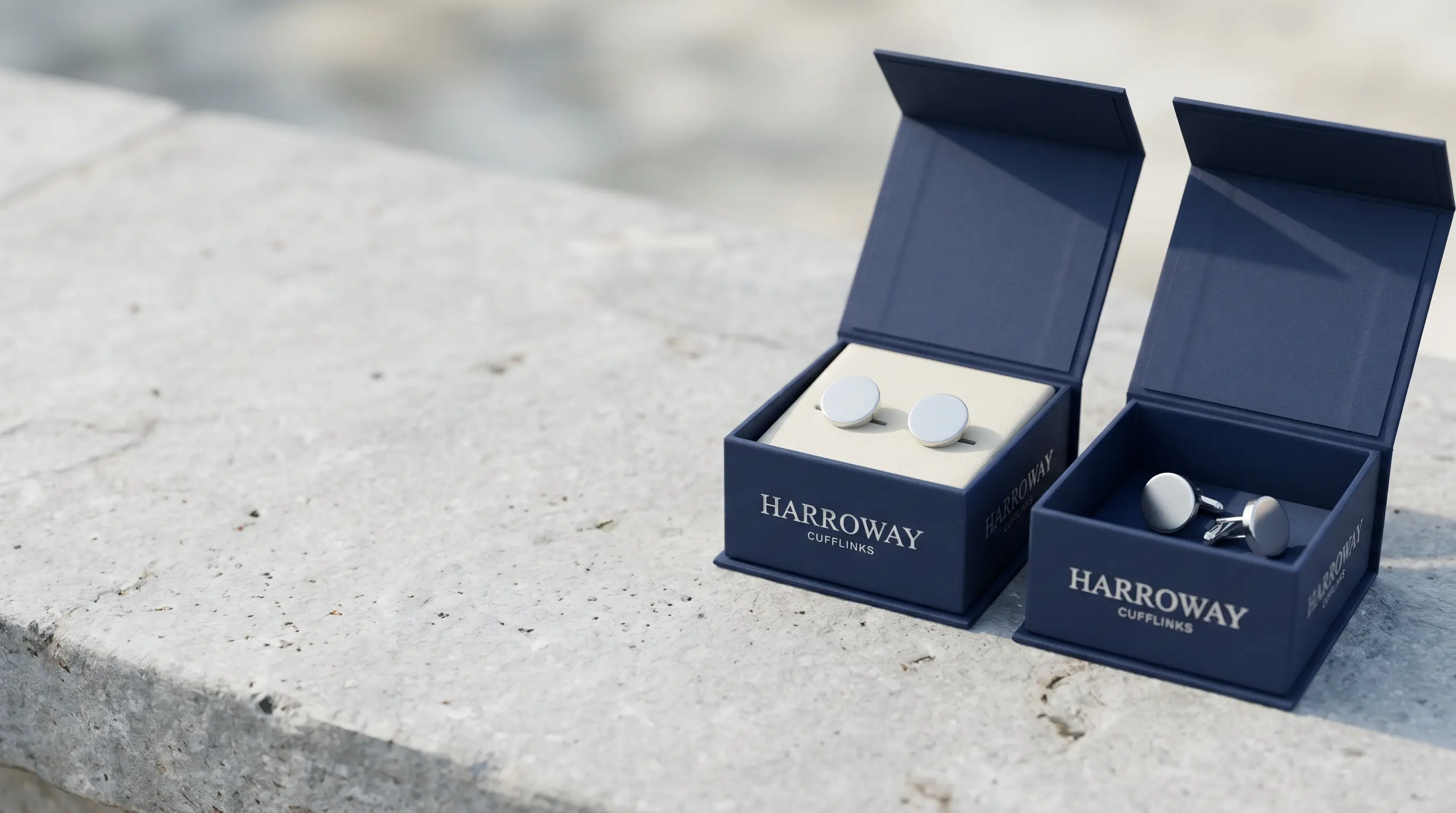
- Rigid gift boxes and magnetic boxes are strong, but their wrapped paper scuffs and their corners dent in a courier network, so they travel inside a plain shipping box too.
If what worries you is crushing or punctures, the answer is a stronger outer box. An insert stops movement, but it can't make a weak box strong, and a well-cut insert inside a thin box still gives way when parcels are stacked on top of it.
Size it to the product
The cheapest protection is a box that fits. Empty space is room for the product to build up speed, so a box that's too big has to be filled, and a box that's too small presses the product against the walls, with no cushion at all.
Measure the product at its longest, widest and deepest points, including anything that sticks out, like a pump, a lid or a handle. If it travels in an insert, the insert's outer size becomes the size the box is built around. We always work in inside dimensions, because that's the space your product actually gets.
How much room to leave depends on what's inside. A box holding a fitted insert needs only a small gap on each side. A fragile item packed loose needs space for cushioning all round. Our measuring guide covers how much clearance to allow for each.
If you sell several products, don't force them all into one box. A small family of sizes, each one fitting a group of products well, protects better and usually costs less to ship than one large box that fits everything badly.
Hold it still: insert or void fill
There are two ways to stop a product moving. An insert is made for the product: a cut board, a set of dividers or a foam block with a space shaped for each item. Void fill is loose material packed around it at the packing table: paper, air pillows, bubble wrap or shred. Both work, and the right one depends on what you ship and how often.
Choose an insert when:
- You ship the same product, or the same set, again and again
- Something is fragile, heavy or high in value
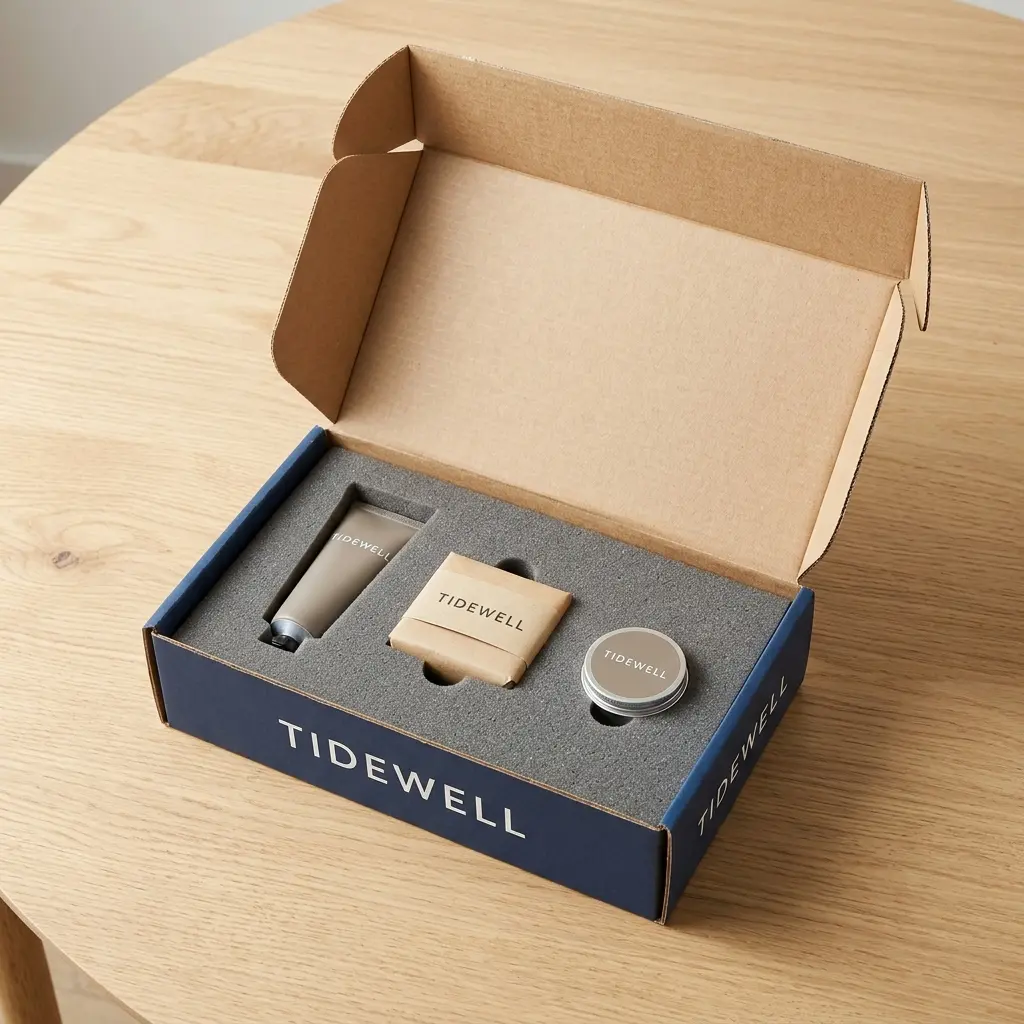
- A set has pieces that shouldn't touch, like jars, bottles or a gift set
- Packing speed matters: dropping a product into its slot is faster than wrapping and stuffing
- The unboxing matters, because an insert looks planned and fill looks like packing material
Choose void fill when every order is different, or when products are light and hard to break, like clothing and soft goods. Fill is also what keeps a branded box still inside a plain outer one.
Plenty of brands use both: an insert inside the branded box, and a little fill around it in the shipper. What doesn't work is fill doing an insert's job. A heavy jar pushes its way through loose paper on the journey and ends up against the wall, exactly where it shouldn't be.
The right insert for your product
We make inserts in four materials, each cut to your product by a die made for it. They protect in different ways, so match the material to what could go wrong on the way:
- Cardboard inserts stop sliding and scuffing and keep a set in order. Light and the lowest-cost insert, they suit skincare, cosmetics and small accessories, with a cut-out for each piece.
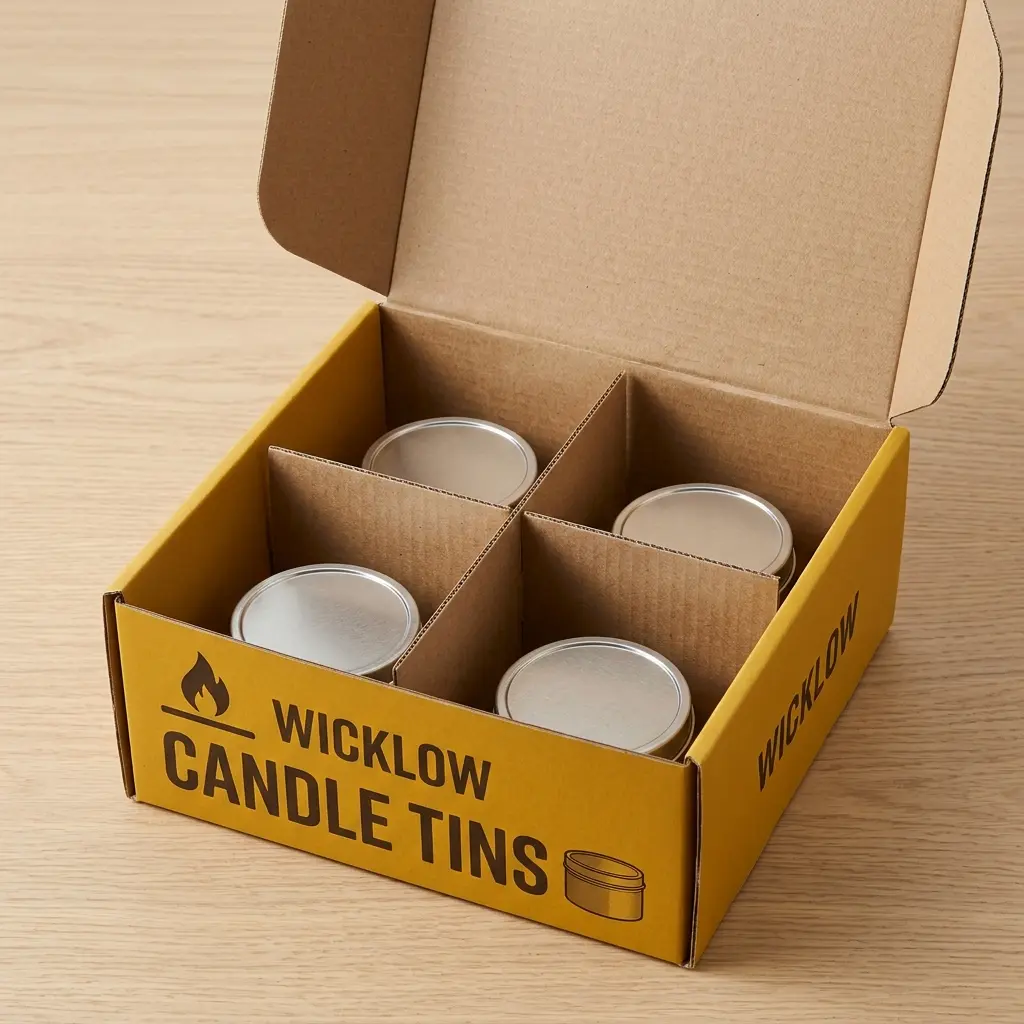
- Corrugated inserts have real strength. Their dividers and cells keep heavy and breakable items apart, so they're the choice for glass jars, bottles and candles: one cell per item, so no two pieces of glass touch and no jar can tip.
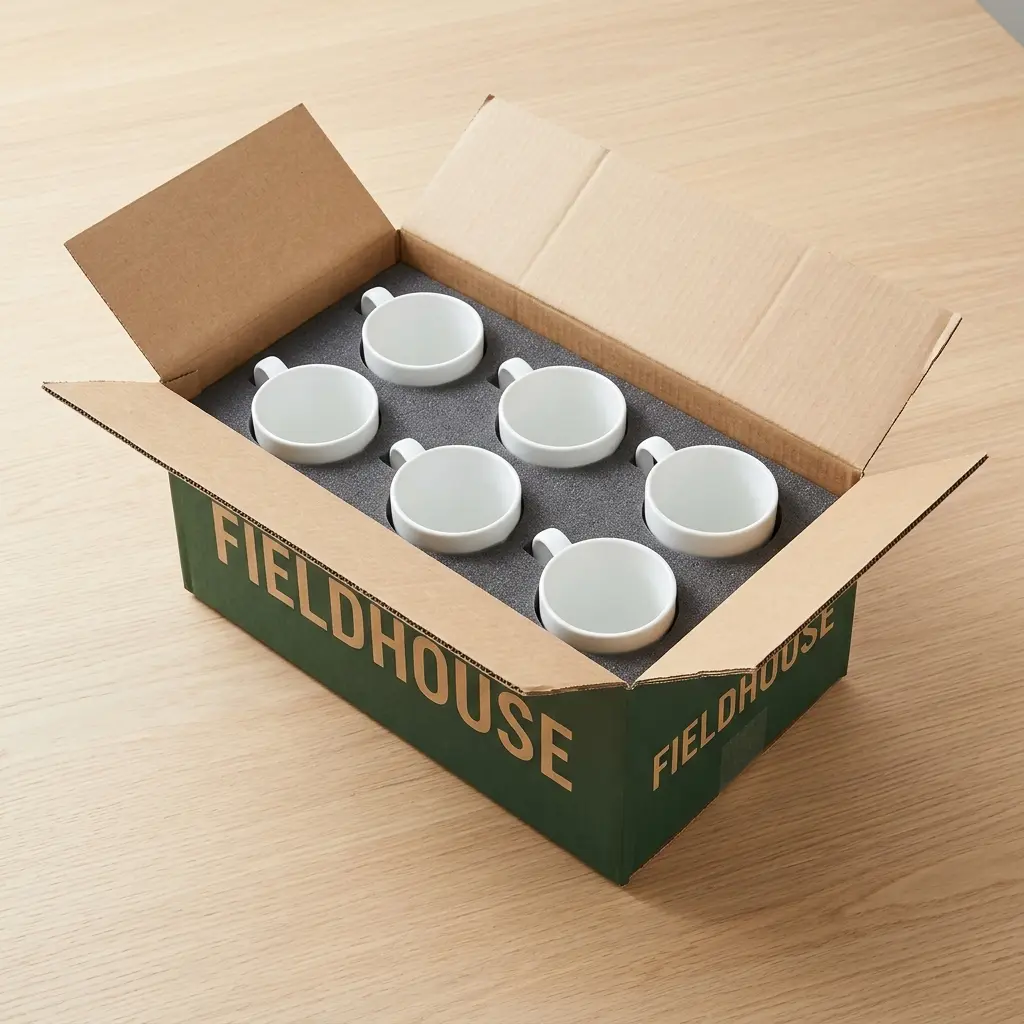
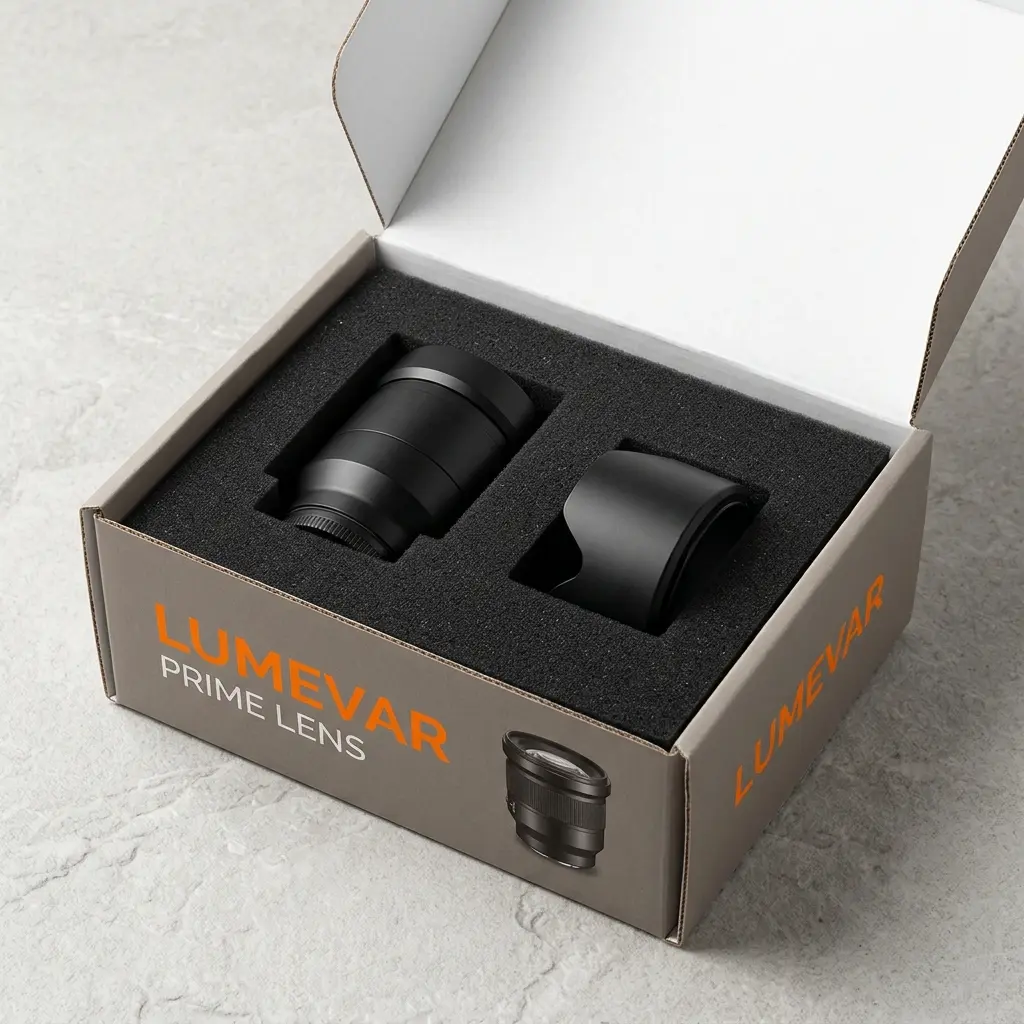
- Foam inserts grip and cushion at the same time, so they absorb the shock of a drop. They're our best protection for electronics, lenses, glassware and watches, with a space for the device and one for each cable or charger, so nothing rattles against a screen.
- Rigid inserts are thick greyboard wrapped in paper, made for rigid and magnetic gift boxes. They hold jewellery, watches and gift sets firmly and look as finished as the box around them.
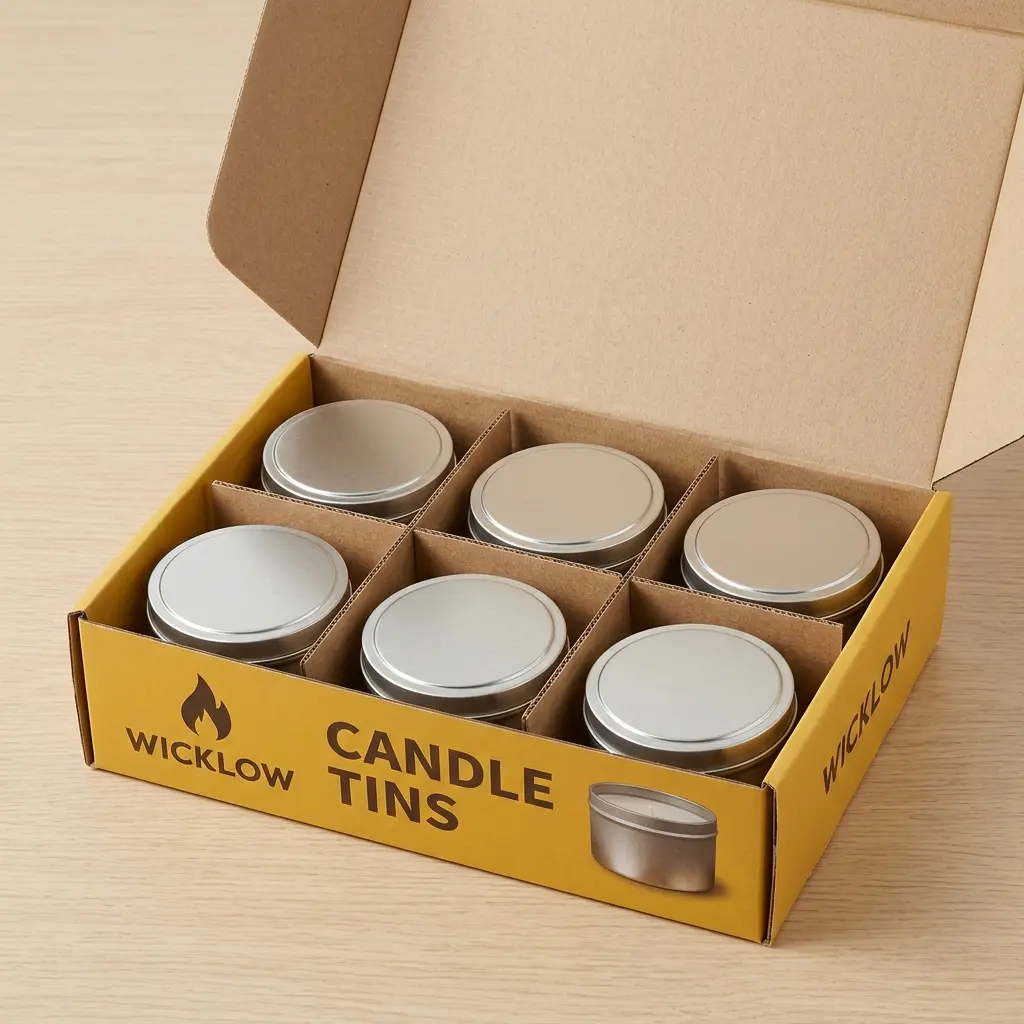
Clothing and soft goods usually need no insert at all: a well-sized mailer and a fold of tissue do the job. For a set, give every item its own space, so nothing touches. Our die-cut inserts are cut to each item's measurements, so send us the size of every piece with your quote request and we'll lay the insert out around them.
If you'd like to learn how an insert can also present the product when the box opens, our unboxing guide covers that side.
If you'd like to learn how to lay out an insert for a set, where the hero product goes and how the rest sit around it, we've covered it step by step.
Plain or printed inserts
Every insert we make comes plain or printed. Printing doesn't change how well an insert protects, so this is the one choice that's only about looks.
A plain insert keeps the board's own white or kraft face, or the foam's own colour. It costs the least, with no printing step and no artwork to prepare, and it lets the product be the first thing noticed. For a shipper, a box that's opened once, or a brand that keeps the inside simple, plain is the right call.
A printed insert carries your artwork on the faces your customer sees. We print the sheet before it's cut and folded, and only the visible faces are printed. Cardboard takes the finest detail, like a pattern, a logo or a thank-you line. Corrugated suits bold colours and patterns. Foam carries its print on a card laminated on top, and a rigid insert is wrapped in printed paper, like the box around it.
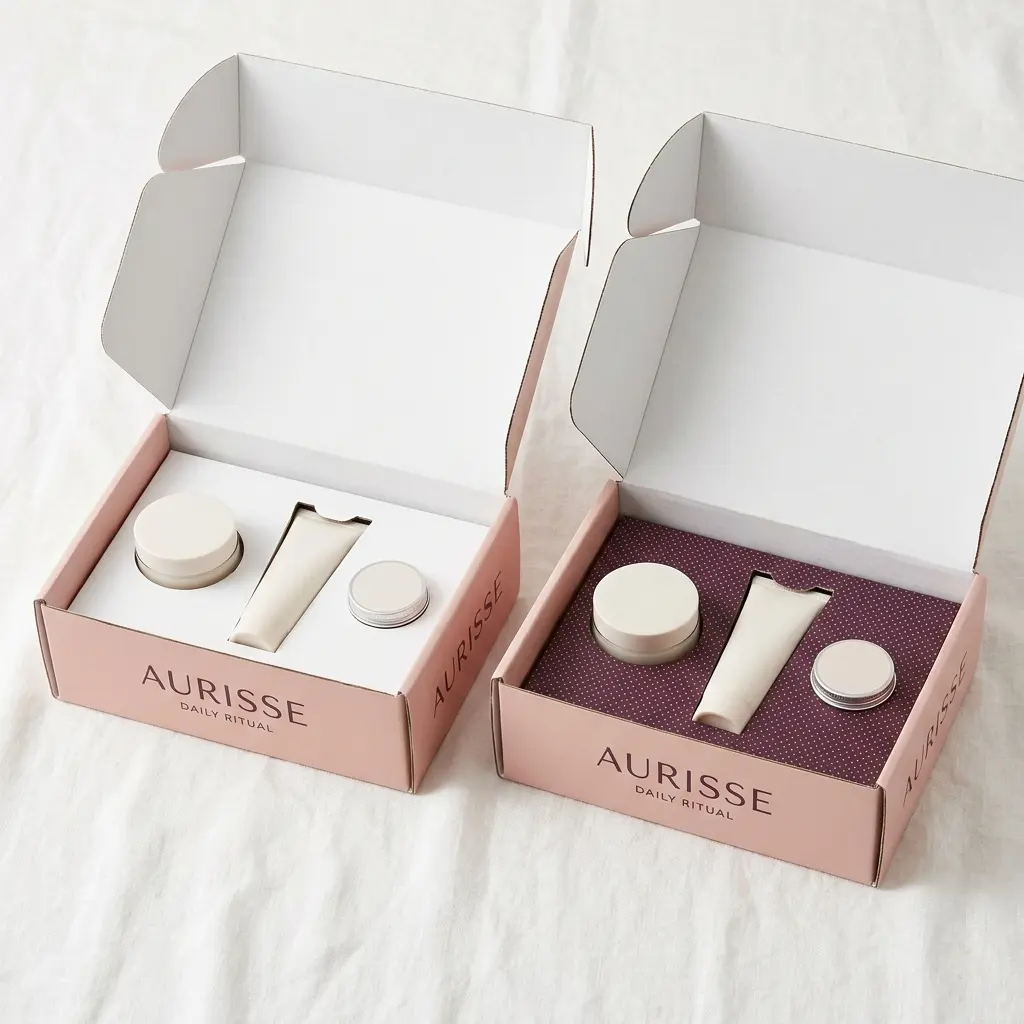
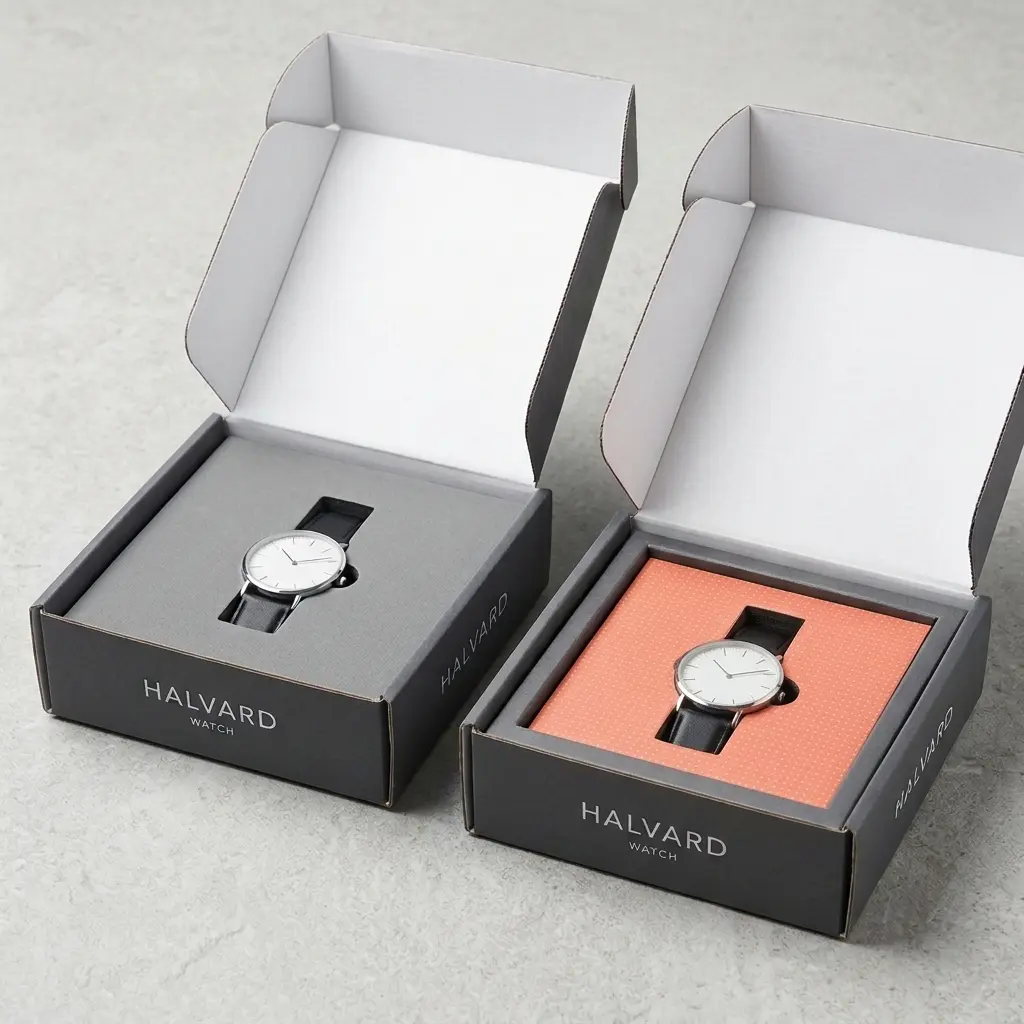
Print the insert when the box is the unboxing: a gift box, a launch, a subscription, or a mailer printed inside. Matched to the box's inside print, the insert and the box open as one design, and you see both together on your digital proof before anything is made.
If you'd like to learn about printing the inside of the box to match, our unboxing guide has ideas that work well.
Keep it off the walls
With the box chosen and the product held still, packing comes next, and its first job is distance. The walls are where the knocks land. In a mailer with a fitted insert, that's already done: the insert sets the product a little in from every side. Packed loose in a shipping box, a product needs cushioning on all six sides, including the bottom, where a dropped box usually lands first.
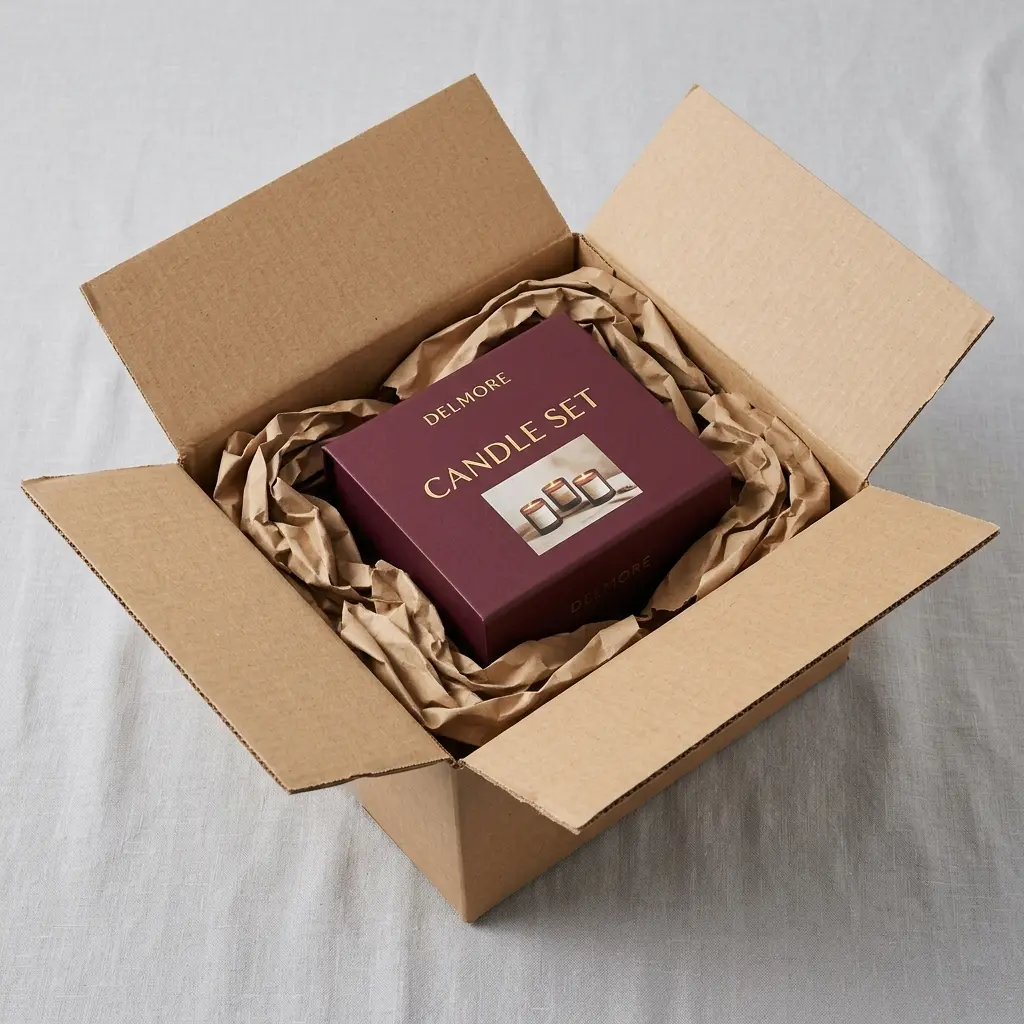
For the most fragile items, the carriers' own advice is a box inside a box. UPS's packaging guidelines call for an outer box 6 inches15 cm bigger than the inner box in length, width and depth, and FedEx's guide to packing breakables asks for 3 inches7.5 cm of cushioning in and around the smaller box. That's how the rigid and printed boxes above travel best: the branded box holds the product in its insert, and the plain outer box takes the journey.
One note for electronics: UPS's packaging tips warn that polystyrene (EPS) fill causes static electricity that may damage electronic items. Keep it out of the box, and hold the device in a foam insert instead.
Close it properly
A box is only as secure as its closure. Our mailer boxes are self-locking: the front panel tucks into the box and holds the lid shut, so they need far less tape than a plain carton. A printed seal sticker across the front shows the box hasn't been opened, and it looks far better than parcel tape.
A shipping box needs taping. Run proper packing tape along the centre seam and across both edge seams, top and bottom, in an H shape, and never use masking tape. And a "Fragile" sticker is a request, not protection: pack as if nobody will read it.
If you'd like to learn how a box can open without scissors once it arrives, see our unboxing guide.
Test it before sending
The simplest test is the shake. Pack a box exactly as a customer will get it, close it, and shake it. If you hear or feel anything move, something needs holding better: a closer fit, a tighter insert or more fill.
Then send one the real way. Post a packed box to yourself or a friend, let it go through the courier network, and open it slowly. Look for scuffs on the product, an insert that's shifted, a crushed corner or anything that's slid out of place. Large shippers test packs in a lab to standards like ISTA 3A, which simulates the drops and vibration of parcel delivery. For a growing brand, a few real parcels tell you most of the same things, and our guide to reducing shipping damage helps you find the cause when something does break.
We make runs from 100 boxes, so you can order a first batch, try it on real orders and adjust the insert before ordering more. Production takes 8–12 business days after you approve your proof.
The secure-box checklist
Run through this before you approve your proof:
- The box suits the journey, or travels inside one that does
- It's sized to the product, in inside dimensions
- Nothing moves when you shake the packed box
- Every item has its own place, and nothing touches
- The insert suits the risk: cardboard for scuffs, corrugated for weight and glass, foam for drops
- The product sits clear of every wall, the bottom included
- The box is closed with its lock, a seal or proper tape
- You've posted one to yourself and opened it
Questions
How do I keep a product from moving inside a box?+
Start with a box that fits, then hold the product in an insert cut to its shape, or fill every gap with void fill. Close the box and shake it: if anything moves, it needs a closer fit or a tighter hold.
Is an insert better than void fill?+
For products you ship again and again, and for anything fragile, heavy or sold as a set, yes: an insert holds each item in a fixed place and is faster to pack. Void fill suits orders that change every time and light items that are hard to break.
Which insert is best for fragile items?+
A foam insert cut to the product's outline gives the most protection, because it grips and cushions at the same time. For glass jars and bottles, corrugated dividers that keep each piece apart are a strong choice too.
Foam or cardboard insert: which should I choose?+
Choose foam for fragile, heavy or high-value products that need cushioning, like electronics and glass. Choose cardboard for light products where holding them in place and looking neat matter most, like cosmetics and accessories. Cardboard costs less and takes fine print.
How much cushioning does a fragile item need?+
For very fragile items, the carriers recommend a box inside a box: UPS calls for an outer box 6 inches15 cm bigger than the inner one in length, width and depth, and FedEx asks for 3 inches7.5 cm of cushioning around the inner box. In a branded mailer with a fitted insert, the insert holds the product clear of the walls instead.
Can inserts be printed?+
Yes. Every insert we make comes plain or printed. Cardboard and corrugated are printed on the faces the customer sees, foam takes a printed card on top, and rigid inserts are wrapped in a printed paper.
Do I need an insert in a mailer box?+
Not always. A product that fits its mailer box closely and can't break, like clothing, travels well without one. If the product could slide, tip or knock against another item, an insert is the simplest way to hold it still.
Have a box in mind?
Share your product dimensions, quantity, and timing. We'll recommend a practical packaging route.
Request a free quote