
 Made to your size
- 100 boxes
- Custom sizes & styles
- Free dieline support
- Quality print options
- Proof before production
- 8–12 business day production
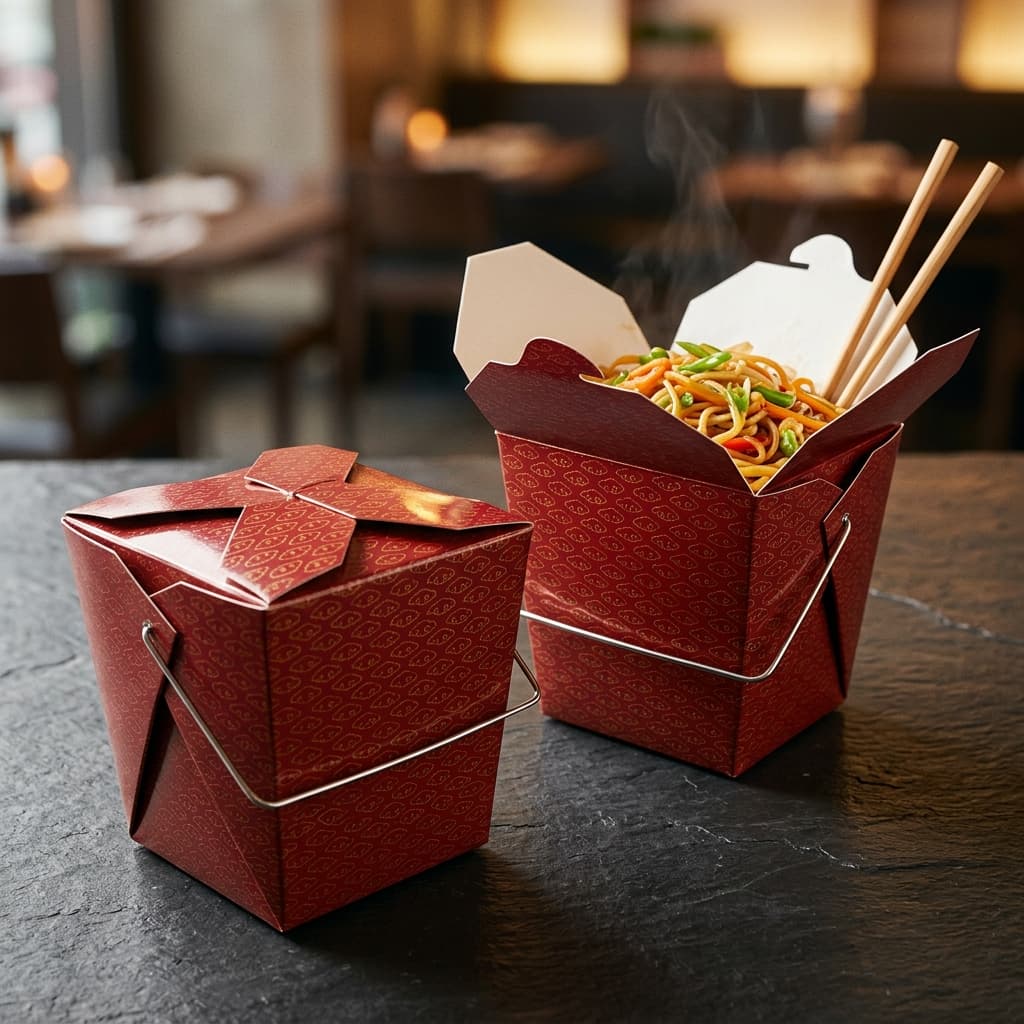
The classic takeout box is a folded paper pail: one sheet with tapered sides, pleated corners and four top flaps that fold over and lock. It carries by a wire or paper handle, opens out into a dish, and a liquid- and grease-resistant lining is worth asking for. Pails suit takeaways, noodle bars, caterers and event favours.
Folded paper pails
Custom Chinese Takeout Boxes
✓Clear proofing before productionSee our process
Get a free quote
Tell us what you are packing and we’ll reply with practical options.
Product features
Built around the jobWire or paper handle
Pleated, leak-resistant corners
Lined board available
Half pint to quart sizes
Opens out into a dish
Tapered sides that nest
Kraft-faced outer option
Specifications made for your product.
Technical snapshotEvery final specification is confirmed against product weight, packing method, print coverage, route, and order volume.
View artwork preparation guide- SKU
- bm-1033
- Dimensions
- Custom-made around the product and packing workflow
- Materials
- Coated SBS paperboard, Lined kraft board
- Printing
- CMYK, Pantone, white ink, or unprinted
- Finishes
- Matte, gloss, soft-touch, foil, embossing, spot UV
- Quantities
- Starting at 100 on selected configurations
- Proofing
- Dieline and digital proof
Make the pail part of the meal.
Artwork and materialsEach tapered wall is its own panel, and the pleated corners break any image that runs around them. Logos and short text centred on the flat walls look best. Our packaging guides cover sizing, materials, print, and cost in more depth.
Four walls, centred artwork
We set your artwork on each wall of the pail, keeping logos and text centred on the flat panels and clear of the pleats and handle holes. Food pails usually carry one or two colours, while favour pails can go full colour.
Explore print and finishesWhite board or kraft face
Smooth white board gives bright, clean colour, and a kraft-faced outer gives a natural look with the same lining inside. The lining stays plain, so your print lives on the outside where customers see it.
Explore material decisionsChoose your box
Tell us the dishes, portion sizes and whether you need a wire handle, paper handle or none.
Request a quote
We recommend the pail sizes, lining and handle that suit your menu and how customers reheat.
Finalize the order
Confirm sizes, lining, handle, print colours and delivery details for the order.
Build the dieline
We prepare the template for each pail size, with tapered walls, pleated corners and locking flaps.
Approve the proof
Check the artwork on every wall and the top flaps on the digital proof before we print.
Roll on production
We print and cut your pails, fit handles if chosen, check the folds, and pack them for delivery.
Best for
Noodle barsTakeawaysCateringEvent favoursWhat changes the price.
Cost factorsEvery project is quoted individually. These are the choices that move the price on almost every order.
- Size
- Pails run from half pint to quart, and larger sizes use more board.
- Lining
- A liquid- and grease-resistant lining adds cost over plain board.
- Handle
- A wire handle is a separate part fitted to each pail; paper-handle and handle-free versions change the cost.
- One or two colours cost less than full colour across every tapered panel.
Buyer guidance
Choosing this format
How a takeout pail folds from one sheet
The classic takeout box is one folded sheet with tapered sides, four top flaps that interlock, and a handle.
The blank is folded rather than glued at the corners. Each corner is pleated inwards, which leaves no open seam at the base and lets the pail hold sauce better than a glued carton would.
At the top, four flaps fold down in turn and the last one tucks under to lock. A wire handle is threaded through holes in two opposite walls, while other versions use a paper handle or none at all.
- Pleated corners, no open base seam
- Four flaps fold and lock
- Wire, paper or no handle
Board and lining
Coated paperboard with a liquid- and grease-resistant lining is the usual stock, and the lining is worth confirming.
Smooth SBS gives a clean white surface and takes the tight pleats without cracking. The inner lining is what stops sauce and oil from soaking through the folds, and different linings suit different foods, so tell us what goes in the pail and we match the lining to it.
Kraft-faced versions give a natural look on the outside with the same lining inside. Without any lining, a pail is only suited to dry foods or non-food use such as favours and gifts.
Sizing by volume
Takeout pails are usually sized by volume, from half pint to quart, rather than by length and width.
Common sizes are around 8, 16, 26 and 32 US fluid ounces, with 8, 16 and 32 often called half pint, pint and quart. Rice and sides tend to go in the smaller pails and noodles or mains in the larger ones.
The sides taper, so open pails nest inside each other for storage at the counter. Fill below the fold line of the flaps, or they will not close and lock properly.
- About 8, 16, 26 and 32 fl oz
- Tapered sides let empty pails nest
- Fill below the flap fold line
Paper pail or plastic tub?
A pail folds open into a dish and suits saucy noodles and rice. A sealed tub suits thin soups.
A paper pail can be unfolded at the table into a shallow tray, and it keeps the pack mostly paper. Its closure is folded flaps, not a seal, so it is not the right pot for broth.
A gable box looks similar with its handle and pitched top, but it is a glued carton built for dry goods and gifts. The pail's pleated corners are what make it fit for food with sauce.
Print on a tapered pail
Tapered walls and pleated corners limit where artwork sits cleanly.
Each wall is a separate panel, and the pleats break any image that runs around a corner. Logos and short text centred on the flat walls reproduce best, and one or two colours is common for food use.
Pails used as favour or gift boxes often carry full-colour print across every panel. For food, print stays on the outside and the lined inside is left plain.
Wire handle or handle-free pail?
A wire handle is the right pick for the classic carry-out look. A paper-handle or handle-free pail is the right pick when customers are likely to reheat in the box.
A wire handle has to come off before a pail goes into a microwave, and customers often reheat in the box, so this is worth thinking about for delivery. We make paper-handle and handle-free versions, and a handle-free pail travels in a paper bag with the rest of the order.
Whichever handle is chosen, very thin liquids work their way into the pleats over time, and hot, steamy food held for a long while softens the board. Soups and long catering holds need a sealed container.
Related packaging formats
Compare your options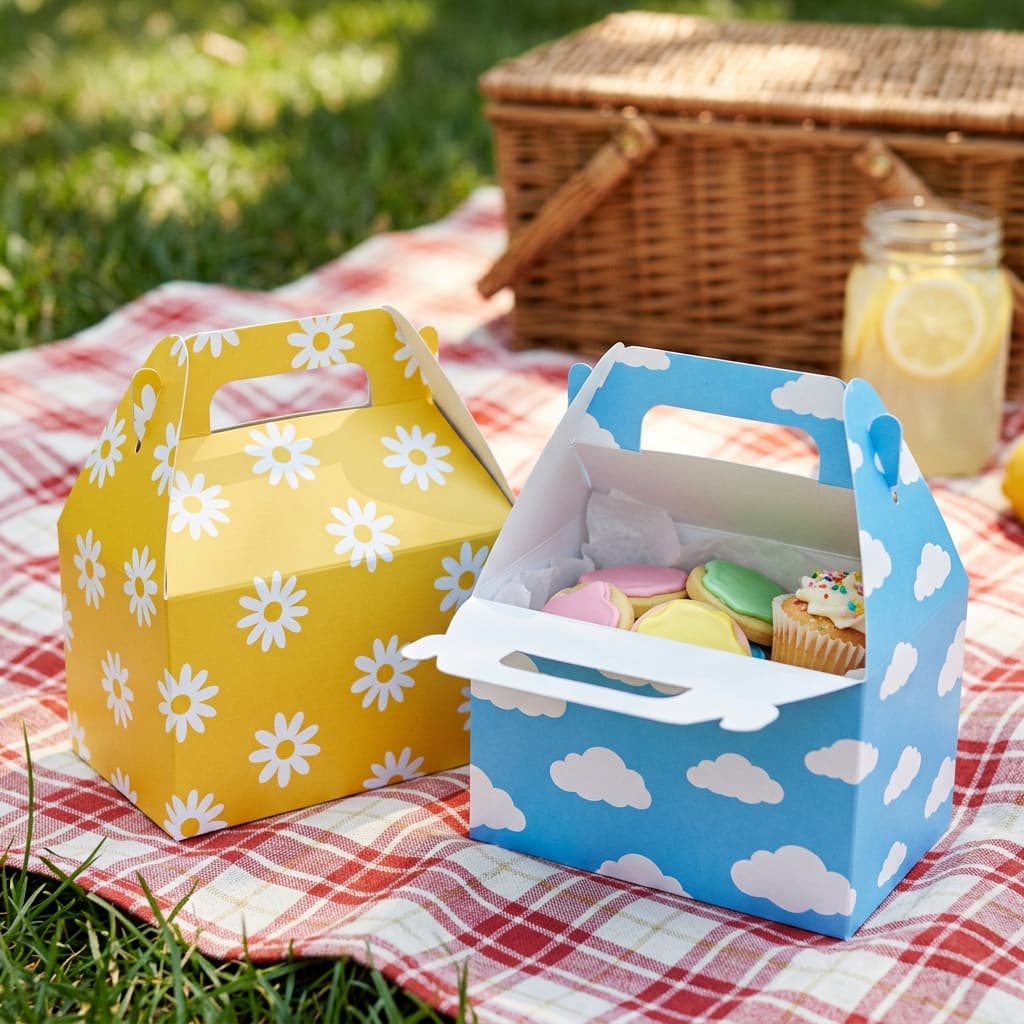
Gable Boxes
A folded carry box with a built-in handle, assembled in seconds.
Explore box style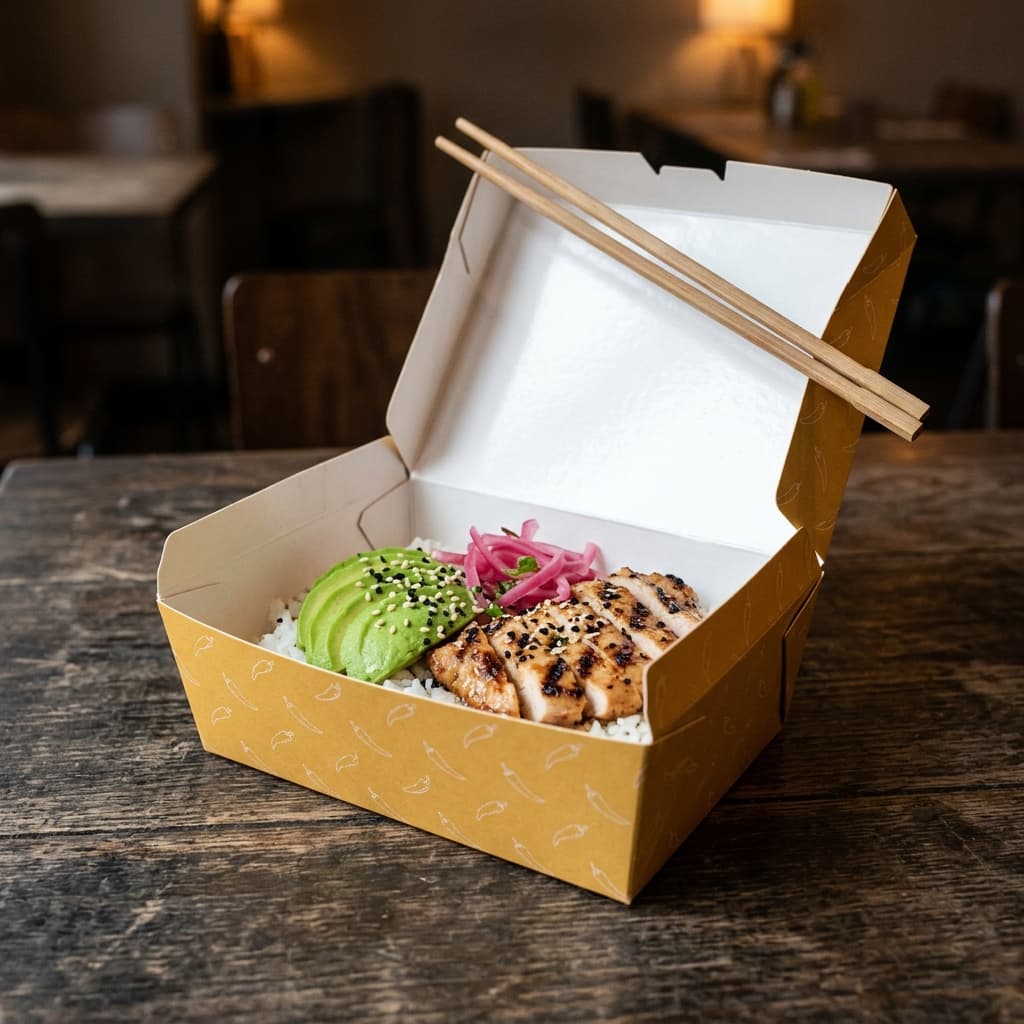
Food Boxes
Thoughtful cartons, sleeves, and carry boxes for food and beverage brands.
Explore box style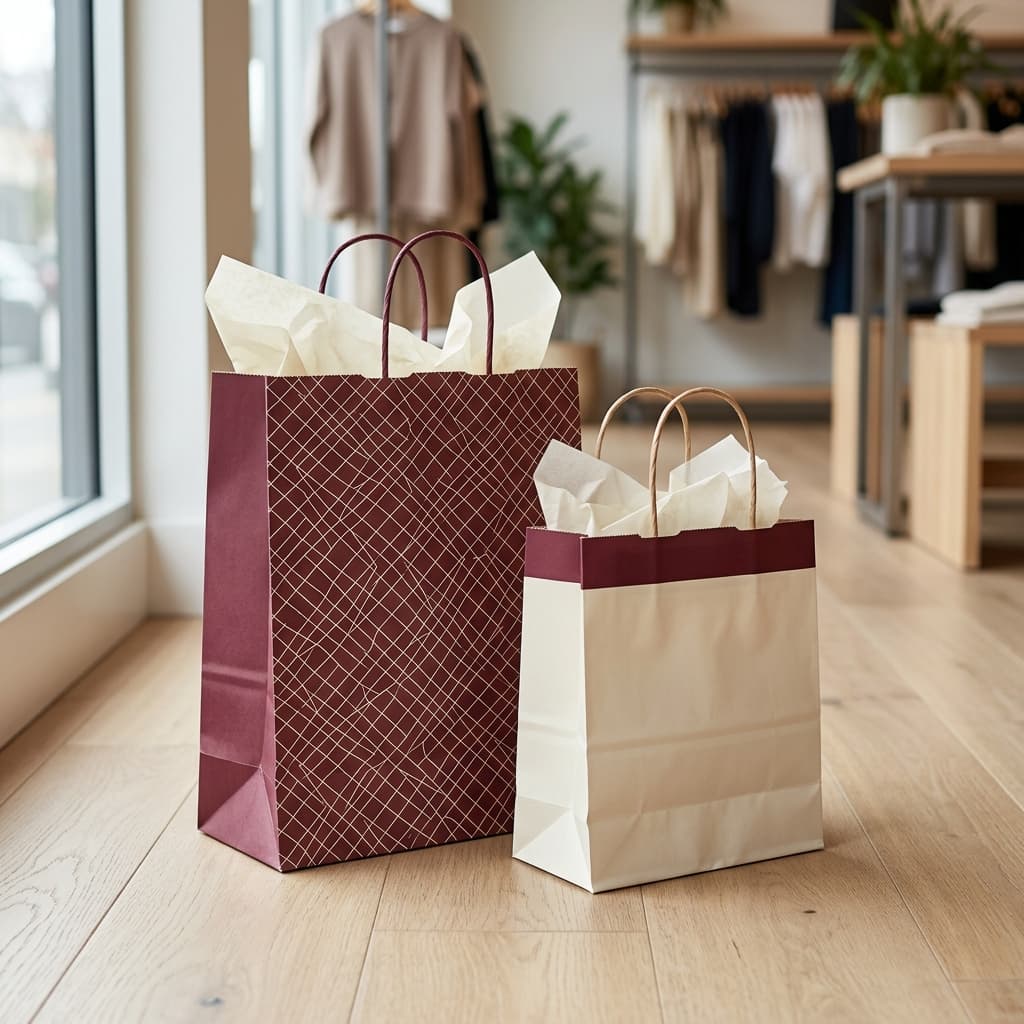
Paper Bags
Printed paper carrier bags with handles, sized to what you sell.
Explore box styleQuestions about takeout boxes.
Box style FAQsWe’ll confirm the exact details that apply to your structure and volume.
Read all frequently asked questionsCan a takeout box open out into a plate?+
Yes. Our takeout pails fold from one sheet with pleated corners, so unfolding the four top flaps and pulling the walls outwards turns the pail into a shallow dish, with the food still sitting on the lined base. Take the wire handle off first if there is one. It works best with drier dishes such as fried rice and stir-fries.
Will the top flaps of a takeout box stay shut?+
Yes. The four flaps fold down in turn and the last one tucks under to lock, which holds firmly as long as the pail is filled below the fold line. For delivery orders, a sticker across the closed flaps adds a visible seal and shows the customer the pail has not been opened since it left the kitchen.
Is a takeout pail or a noodle box better for stir-fries?+
We make both, and the choice comes down to closure and how the meal is eaten. A pail folds shut with locking flaps and carries by a handle, which suits a bag full of separate dishes. A noodle box has a wider mouth and is easier to eat from with chopsticks on the spot, so it suits stalls and single portions.
Can customers keep leftovers in a takeout box?+
Yes, for a short spell in the fridge, which is how many people use them. The lining keeps sauce in, though over a day or two condensation softens the pleats and the base. For reheating, the wire handle has to come off first, and moving the food to a bowl is the safer choice. We can print that tip on a side panel.
Can I choose a takeout box without a wire handle?+
Yes. We make takeout pails with a wire handle, a paper handle or no handle at all. The wire handle gives the classic look, while a paper handle or a handle-free pail goes straight in with paper recycling, with no metal part to take off first. That makes it the easier choice if recycling matters to your customers.
Start with a free recommendation
Get pricing