

 Made to your size
- 100 boxes
- Custom sizes & styles
- Free dieline support
- Quality print options
- Proof before production
- 8–12 business day production
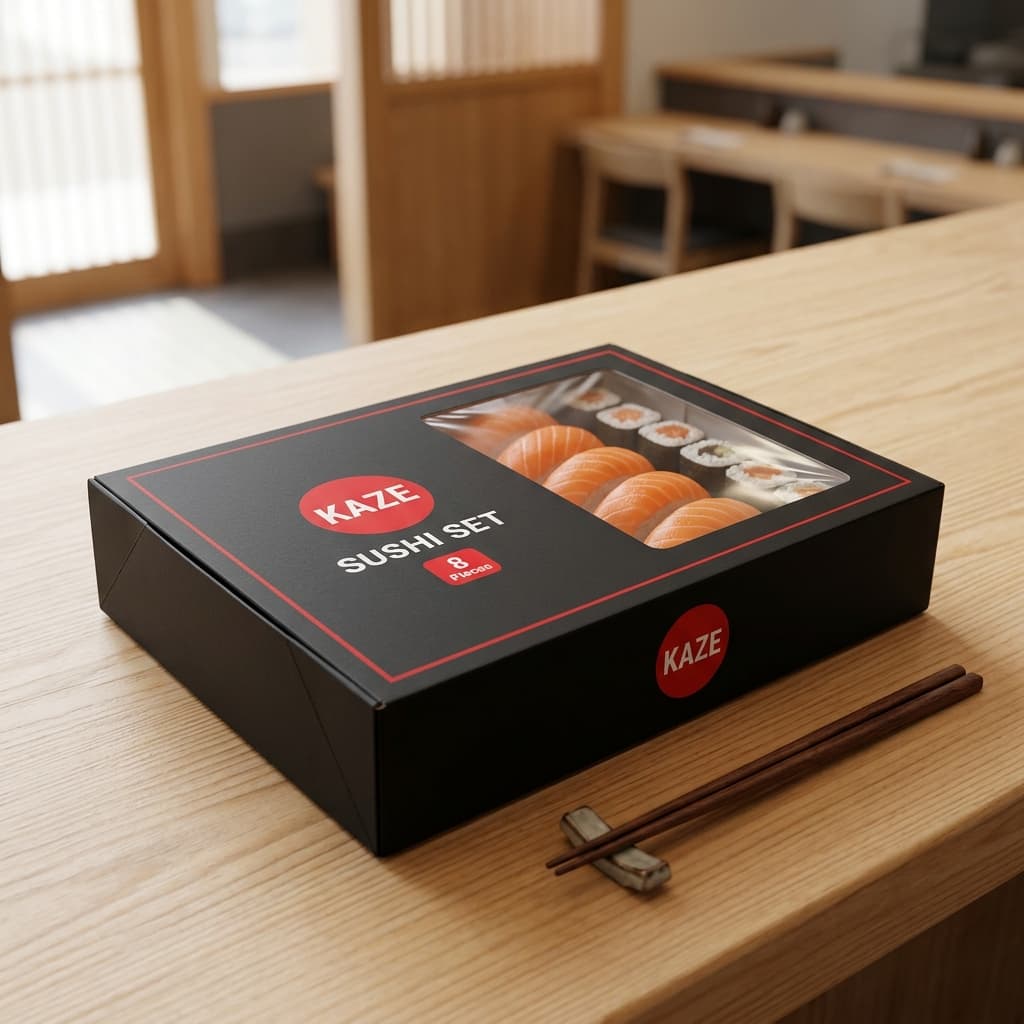
Sushi boxes are shallow, flat packs that hold rolls, nigiri and sashimi in neat rows so the pieces do not slide or squash. Many use a paperboard sleeve or lid over a tray, with a window to show the arrangement. Because sushi is raw and served cold, the box has to cope with chillers, condensation and a short, careful journey.
Chilled, flat and on show
Custom Sushi Boxes
✓Clear proofing before productionSee our process
Get a free quote
Tell us what you are packing and we’ll reply with practical options.
Product features
Built around the jobWindow to show the pieces
Compartments for sauce and ginger
Handles chilled use
Moulded fibre tray option
Paperboard lid or sleeve
Seal sticker across the lid
Cold bento compartments
Specifications made for your product.
Technical snapshotEvery final specification is confirmed against product weight, packing method, print coverage, route, and order volume.
View artwork preparation guide- SKU
- bm-1082
- Dimensions
- Custom-made around the product and packing workflow
- Materials
- Coated food-grade paperboard, Kraft board with a window film, Moulded fibre trays
- Printing
- CMYK, Pantone, white ink, or unprinted
- Finishes
- Matte, gloss, soft-touch, foil, embossing, spot UV
- Quantities
- Starting at 100 on selected configurations
- Proofing
- Dieline and digital proof
Let the colours of the fish lead.
Artwork and materialsArtwork goes on the paperboard lid or sleeve over the tray, framing a window for counter sales or filling a solid lid for delivery. A clean design lets the arrangement sell itself. Our packaging guides cover sizing, materials, print, and cost in more depth.
Lid, sleeve and seal
We set your design on the lid or a printed sleeve that slides over the tray, frame any window around the rows of pieces, and can design a seal sticker across the lid edge.
Explore print and finishesCoated board and fibre trays
Coated paperboard keeps print crisp through chiller damp, and kraft with a window film gives a natural look. Moulded fibre trays pair with a printed paperboard lid for a paper-based pack that still shows the pieces.
Explore material decisionsChoose your box
Choose a one-piece box or a tray with a lid or sleeve, plus any compartments.
Request a quote
Send us your piece layout, roll sizes and sauce pockets, and we recommend a build.
Finalize the order
Approve the board, tray, window, seal sticker and quantities for each size before we start.
Build the dieline
We draw the box around your layout, with pockets for sauce and ginger and a snug depth.
Approve the proof
Check the lid or sleeve artwork, window placement and seal position on your digital proof.
Roll on production
We print, cut and assemble your sushi boxes and trays, then check and pack them.
Best for
Sushi bars and deliverySupermarket sushi countersBento-style mealsCatering plattersWhat changes the price.
Cost factorsEvery project is quoted individually. These are the choices that move the price on almost every order.
- Tray and lid combination
- A printed sleeve over a tray is two parts; a one-piece box is cheaper.
- Compartments
- Dividers for soy, wasabi and ginger add parts or a more complex insert.
- Window
- A clear window adds film and a gluing step.
- Moisture resistance
- Chilled, damp conditions call for a coated board.
Buyer guidance
Choosing this format
Keeping sushi cold
Sushi is raw fish and rice, so the box sits inside a cold chain from the kitchen to the customer.
The box itself does not keep food cold - the chiller and an insulated delivery bag do. What the box must do is cope with cold: stay firm when damp with condensation, and not trap warmth against the fish. Shallow packs chill quickly and evenly, which is one reason sushi boxes are flat.
For delivery, pair the box with ice packs or a cool bag, and keep the trip short.
- Flat packs chill evenly
- Coated board handles condensation
- Cool bag for delivery
Holding the pieces in place
Sushi is judged by how it looks when the lid comes off, so pieces must not slide.
A snug tray, ridges or a fitted insert keep rolls in their rows. Leaving too much space lets them topple in transit. Separate pockets for soy sauce, wasabi and pickled ginger stop the wet extras soaking into the rice.
We draw the tray around your own piece layout, with the sauce pockets placed where they cannot tip into the rice.
Windows and presentation
A window sells sushi on a counter, where the arrangement is the product.
A clear top or window panel shows the colours of the fish without opening the pack. For delivery boxes the window matters less and a solid printed lid gives more brand space.
Related packaging formats
Compare your options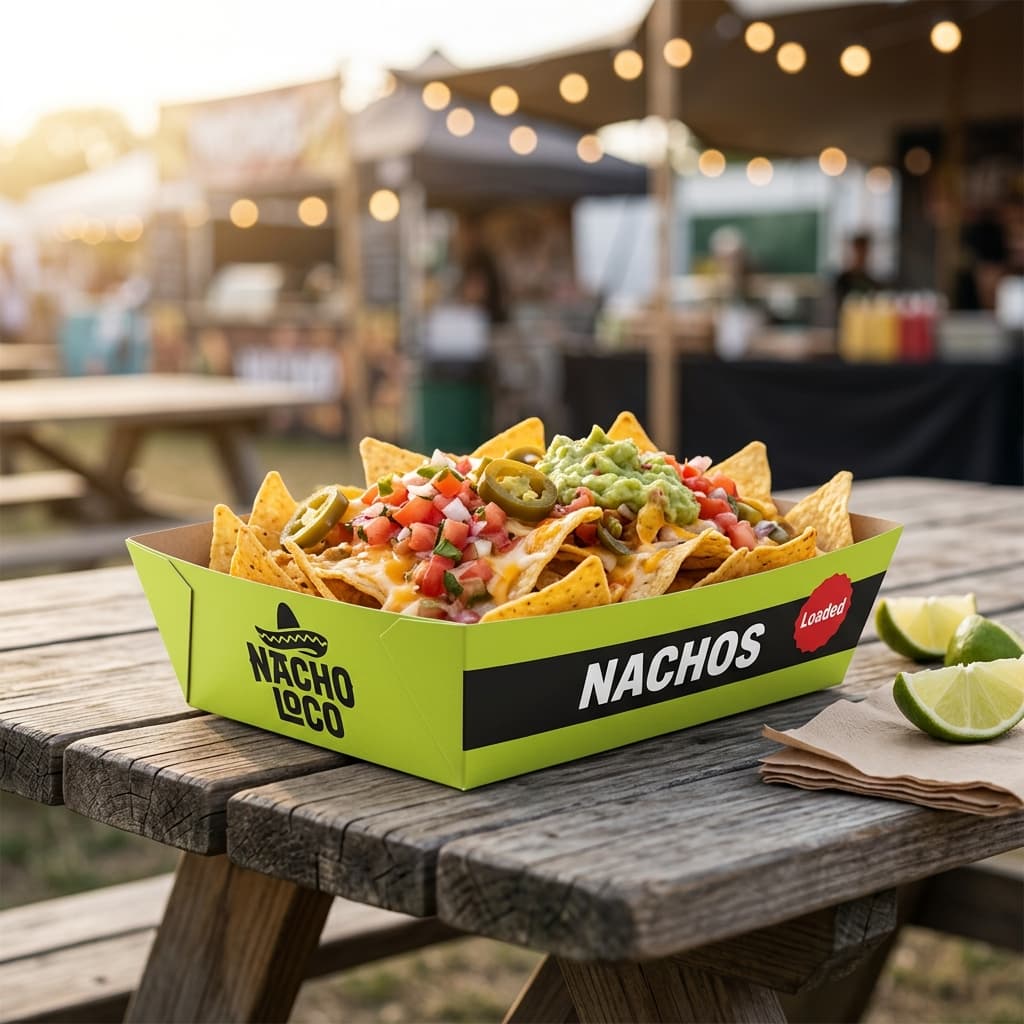
Food Trays
Open paperboard trays for serving snacks, sides and street food, with no lid to fiddle with.
Explore box style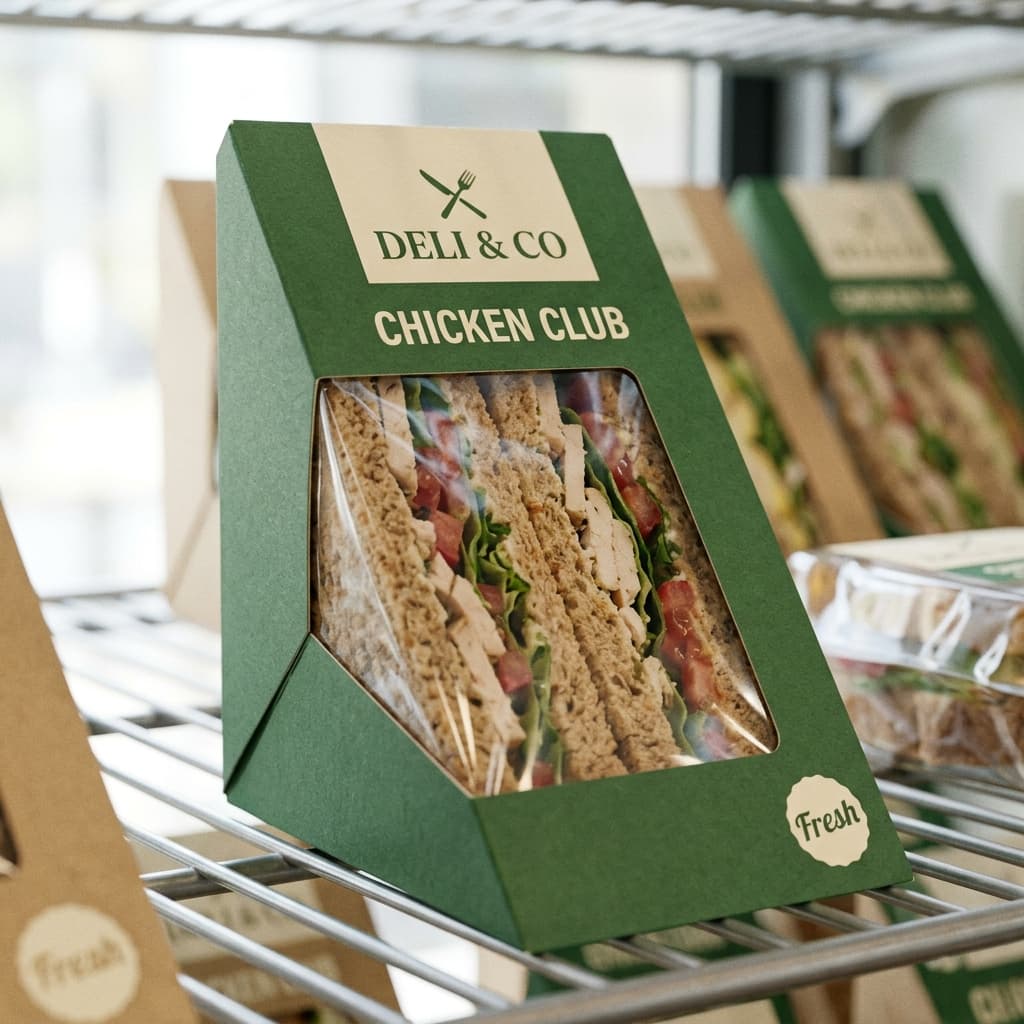
Sandwich Boxes
Wedge and rectangular boxes for cold sandwiches, wraps and subs, often with a window.
Explore box style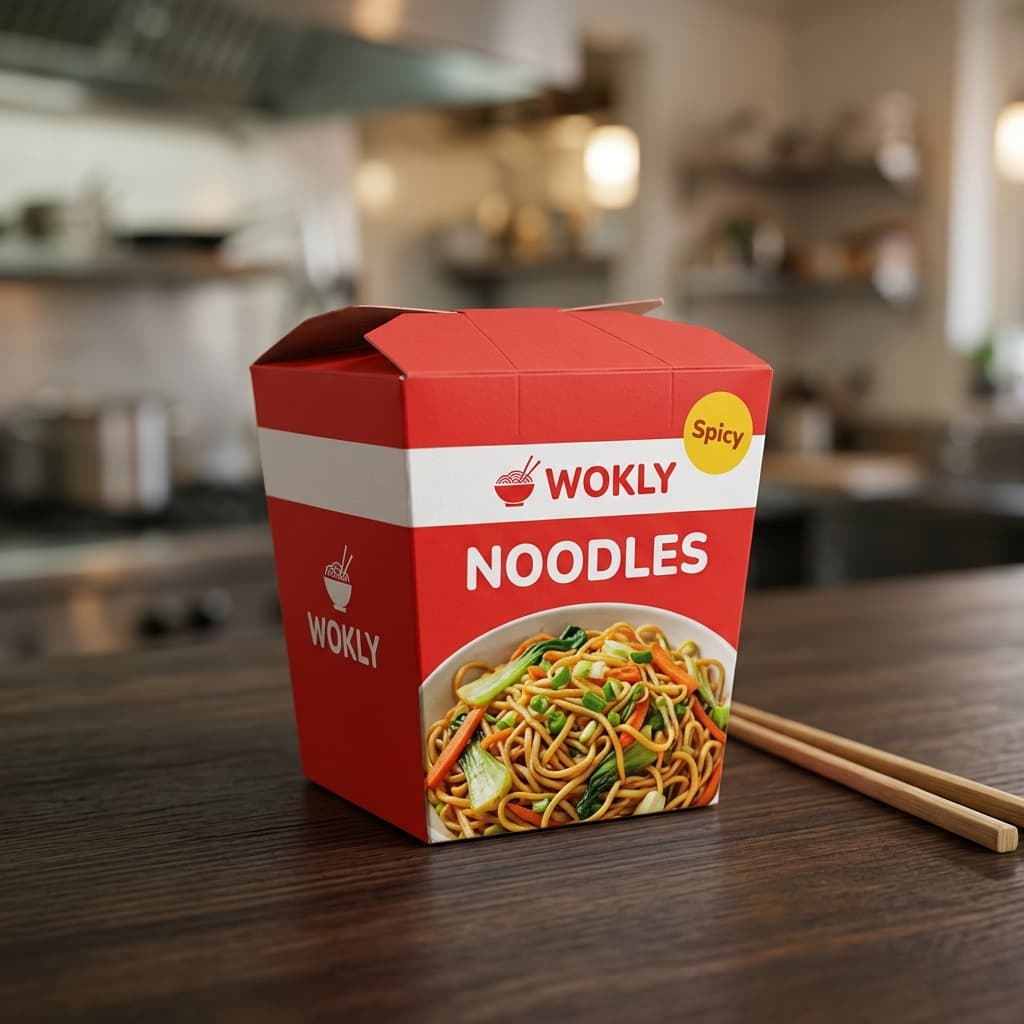
Noodle Boxes
Tapered paperboard boxes for noodles, rice bowls and stir-fries, eaten straight from the box.
Explore box styleQuestions about sushi boxes.
Box style FAQsWe’ll confirm the exact details that apply to your structure and volume.
Read all frequently asked questionsHow do you size a sushi box for a set number of pieces?+
Lay out the pieces as you serve them, in rows, and send us the footprint with a small gap around the edge. Roll diameter sets the row width, so maki and larger rolls need different trays. We leave room for the sauce and ginger pockets and keep the depth just above the tallest piece, so nothing slides on the way.
Can a sushi box be paperboard instead of plastic?+
Yes. We make sushi boxes in coated paperboard and as moulded fibre trays, often with a paperboard lid or sleeve. The coating is chosen to handle damp rice, fish oil and condensation from the chiller. A clear top shows the pieces best, so for counter sales we can add a window to a paper-based lid rather than use a full plastic top.
Can a sushi box be sealed for delivery?+
Yes. A sticker across the lid edge shows the customer the pack has not been opened on the way, which matters for raw food they cannot check before the lid comes off. A printed sleeve that slides over the tray does the same job and gives you a large branded panel.
Can the same box be used for bento-style meals?+
Yes, for cold bento. We can make a compartment sushi box that holds rice, pickles and cold sides in their own sections. Hot bento dishes such as katsu or teriyaki give off steam and need a vented box that copes with heat, so we make those as a separate lunch box. Keeping them apart also stops warmth from hot food reaching raw fish.
Start with a free recommendation
Get pricing