

 Made to your size
- 100 boxes
- Custom sizes & styles
- Free dieline support
- Quality print options
- Proof before production
- 8–12 business day production
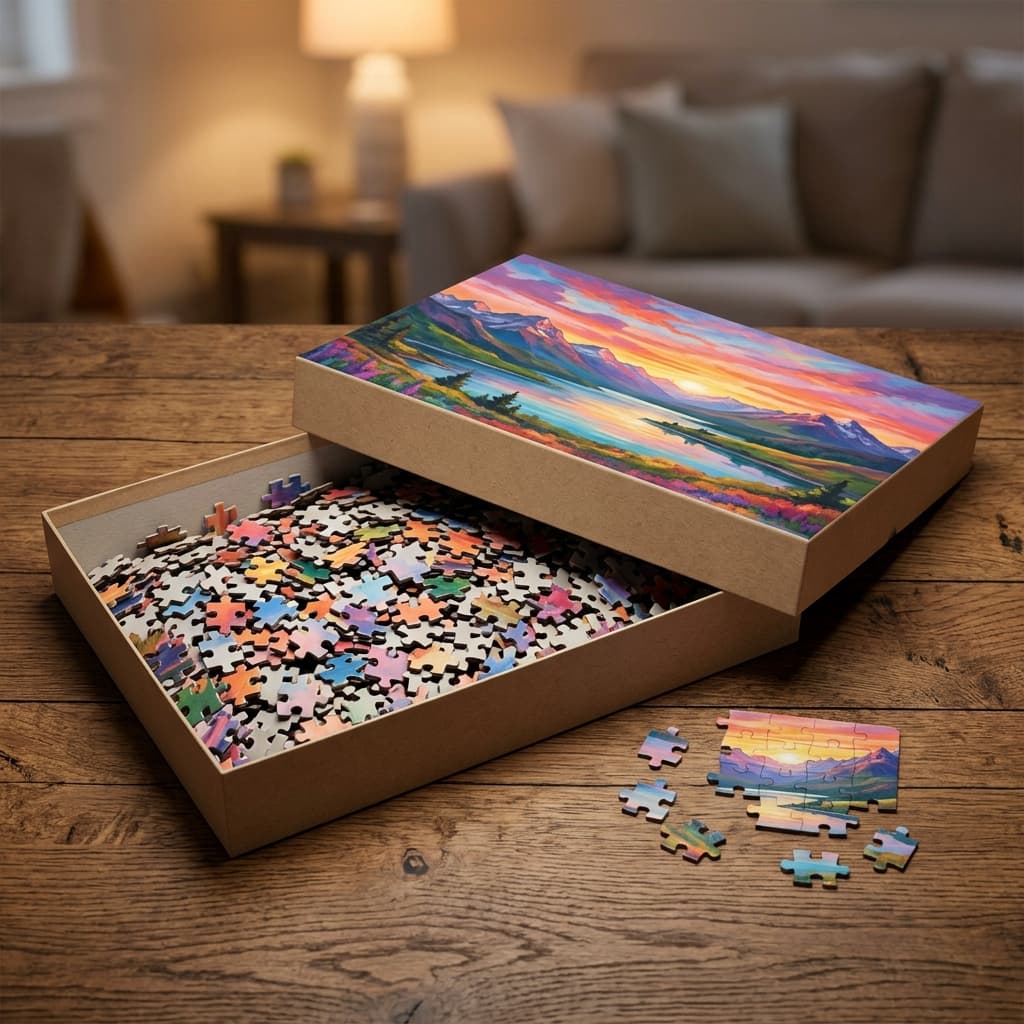
A jigsaw puzzle box is a lift-off lid box sized to hold the loose pieces, not the finished puzzle, with the full picture printed on the lid as the guide for solving. It suits jigsaws from small piece counts up to large ones, for gift shops, museums, art prints, family photos and children's ranges.
Jigsaw packaging
Custom Puzzle Boxes
✓Clear proofing before productionSee our process
Get a free quote
Tell us what you are packing and we’ll reply with practical options.
Product features
Built around the jobFull picture on the lid
Sized to piece count
Piece count on the sides
Paper or resealable piece bag
One box size across a range
Label or sleeve for photo puzzles
Paper seal instead of shrink wrap
Specifications made for your product.
Technical snapshotEvery final specification is confirmed against product weight, packing method, print coverage, route, and order volume.
View artwork preparation guide- SKU
- bm-1042
- Dimensions
- Custom-made around the product and packing workflow
- Materials
- Greyboard, Printed wrap paper, Folding boxboard
- Printing
- CMYK, Pantone, white ink, or unprinted
- Finishes
- Matte, gloss, soft-touch, foil, embossing, spot UV
- Quantities
- Starting at 100 on selected configurations
- Proofing
- Dieline and digital proof
Show the picture they will build.
Artwork and materialsThe lid carries the full puzzle picture as the solving guide, and the sides carry the title and piece count. The picture needs to match the puzzle exactly. Our packaging guides cover sizing, materials, print, and cost in more depth.
Full picture on the lid
We set your puzzle image across the whole lid, matching it to the finished puzzle, and put the title and piece count on the sides. For photo puzzles, one standard box can carry a label or sleeve per picture.
Explore print and finishesWrapped board or folding board
Wrapped greyboard gives a sturdy, keepsake box that suits gift and museum ranges, while folding boxboard gives sharp print for volume ranges. Matt or gloss finishes change how the picture reads on the lid.
Explore material decisionsChoose your box
Tell us the piece counts, puzzle images and whether one box size should cover your whole range.
Request a quote
We recommend the box size, build and finish that suit your piece counts and your range.
Finalize the order
Confirm the box size, build, finishes, piece bag and delivery details for each design.
Build the dieline
We draw the box around your loose piece volume, with the lid sized to show the full picture.
Approve the proof
Check each lid picture, title and piece count on the digital proof before we print.
Roll on production
We make your boxes, check the lid fit and print, and pack them ready for filling.
Best for
Jigsaw puzzlesArt and museum printsGift shopsChildren's puzzlesWhat changes the price.
Cost factorsEvery project is quoted individually. These are the choices that move the price on almost every order.
- Piece count
- More pieces need a bigger box, which uses more board and wrap paper and costs more to ship.
- Construction
- A folding-board lid and base costs less than a wrapped greyboard box, which feels firmer and lasts longer.
- Print and finish
- The lid picture is full colour by nature. Gloss or matt lamination and a printed reference poster each add cost.
- Quantity
- Set-up is the same for a small run or a large one, so a bigger order brings the cost per box down.
Buyer guidance
Choosing this format
Base, lid and pieces of a jigsaw box
A puzzle box is a shallow base and a lift-off lid that slides over it, with the pieces loose or bagged inside.
Most jigsaw boxes are two trays, one sitting inside the other. The lid is usually shallower than the base, so it is easy to grip and lift while the pieces stay in the base, which then doubles as a tray to sort pieces into while solving.
The two halves can be made from folding boxboard glued at the corners, or from greyboard wrapped in printed paper. Wrapped greyboard is stiffer and survives repeated use, which suits puzzles that are done more than once or passed on.
Sizing by piece count
The box holds the pieces, not the finished picture, so it is sized by volume rather than by the puzzle's flat size.
A finished 1000-piece puzzle can be around 70 by 50cm, but the loose pieces fit in a box a fraction of that size. What matters is the volume of the pieces, which depends on the piece count, the piece size and the thickness of the board they are cut from. Tell us those three and we size the box from them.
Leave room for the pieces to move and for any bag or poster inside. A box filled to the brim is hard to close once the pieces have been tipped out and put back, because they never pack as tightly as they did when bagged at the factory.
- Size to the volume of pieces
- Thicker piece board needs more depth
- Leave room for re-packing
The picture is part of the product
People solve the puzzle by looking at the lid, so the picture has to be sharp, true to colour and big enough to read.
The lid image is not just decoration. It is the reference used to find where each piece goes, so colour matching between the lid and the puzzle print matters more than on most boxes. Send us the same image file used for the puzzle and we set the lid from it, so the two can be compared on the proof.
A large picture needs a lid big enough to show detail. For very busy images or high piece counts, a printed poster of the full picture inside the box is a common extra. The sides usually carry the piece count, the finished size and the title, so the puzzle can be picked out of a stack.
- Lid picture is the solving guide
- Match lid colour to the puzzle print
- Piece count and finished size on the sides
Puzzle box or game box?
A puzzle box is a simpler cousin of the game box: no trays, a lighter build and one picture doing all the work.
A board game box holds many different components and often needs fitted trays to keep them apart. A jigsaw has one kind of component, so a plain base is enough and the box can be lighter.
That makes a puzzle box cheaper to make than a game box of the same size. The lid picture carries more weight, though, so print quality and finish are where a puzzle box is worth spending on.
Finish and lid fit
A lid that is too tight traps air and is hard to lift. One that is too loose falls off when the box is picked up.
The lid has to slide off easily, because it comes off and goes back on many times. Shallow lids with a small clearance over the base work best. A thumb notch cut into the base is a simple way to help the lid lift without lifting the whole box.
Gloss lamination makes the picture brighter and easier to read; matt is calmer and shows fewer fingerprints. Either way, the coating protects the picture from scuffs as the box is slid in and out of a cupboard.
Puzzle box or tuck-end carton?
A lift-off lid box is the right pick for standard and large jigsaws. A small tuck-end carton is the right pick for mini puzzles with a low piece count.
Mini puzzles can fit a tube, a tin or a small tuck-end folding carton for less. Chunky puzzles for toddlers often come in a tray-style board or a frame, which holds the pieces in place rather than loose.
Whichever box is chosen, we leave space for any age warning or safety mark the puzzle has to carry and set it out on the proof. Packaging for young children's puzzles should avoid small loose parts that could come away, and puzzles sold online also need an outer carton, as a lift-off lid can open in transit.
Related packaging formats
Compare your options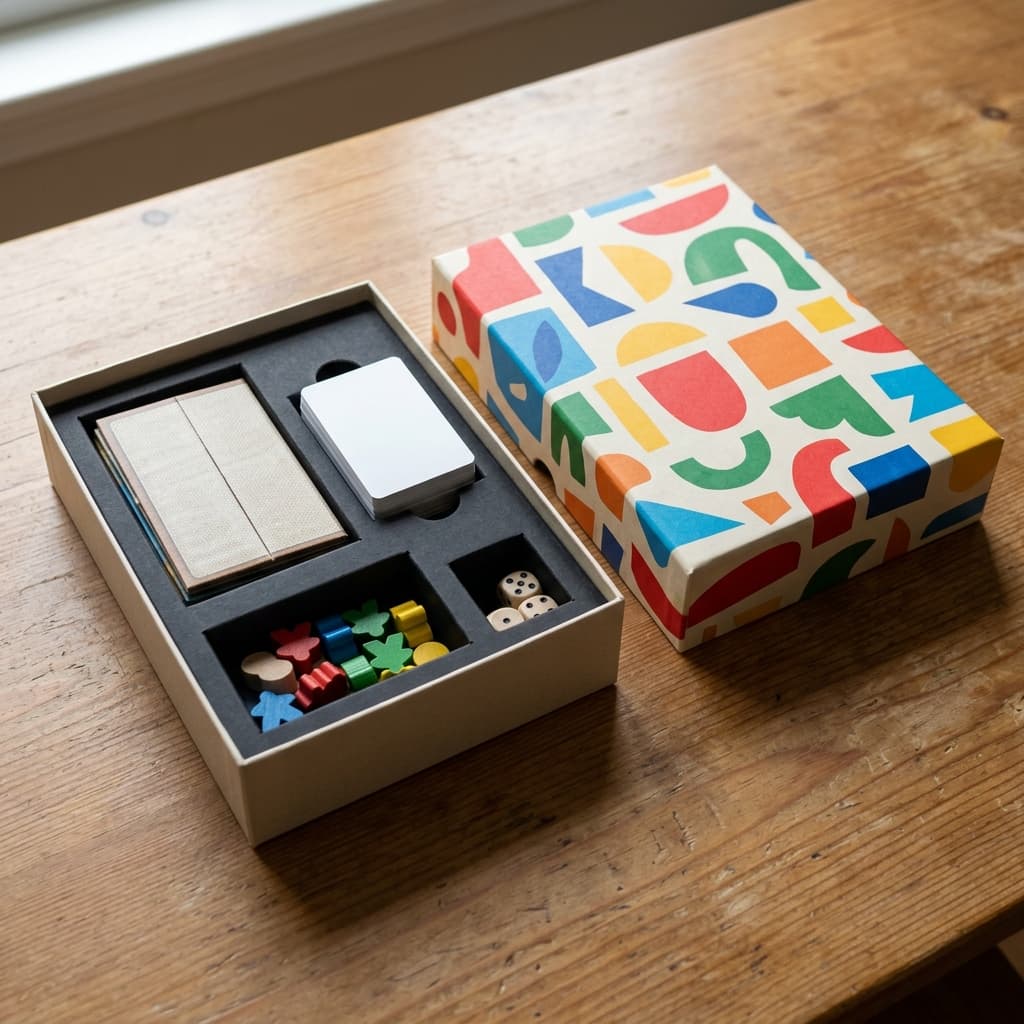
Game Boxes
Two-piece rigid boxes with wrapped lids and inner trays that keep every game piece in its place.
Explore box style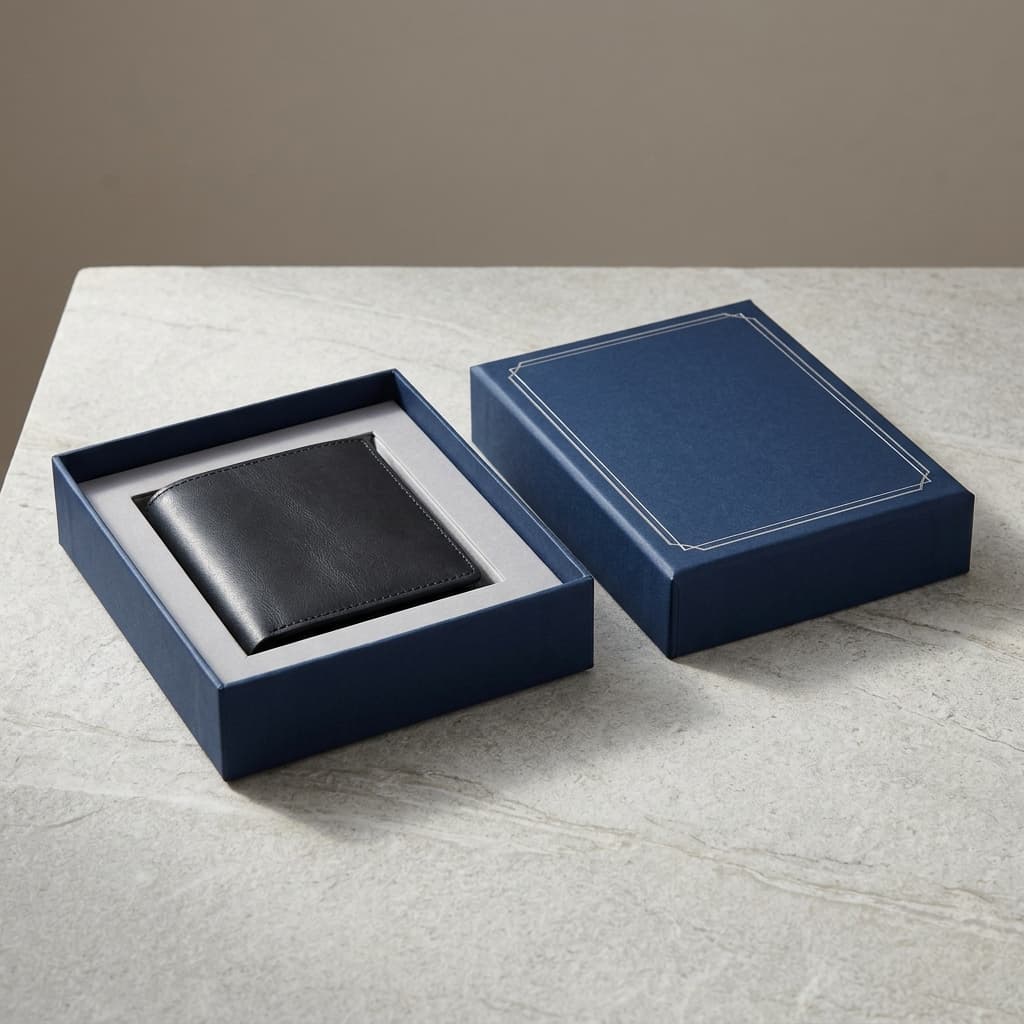
Rigid Boxes
Luxury two-piece and magnetic boxes with a substantial, keepsake feel.
Explore box style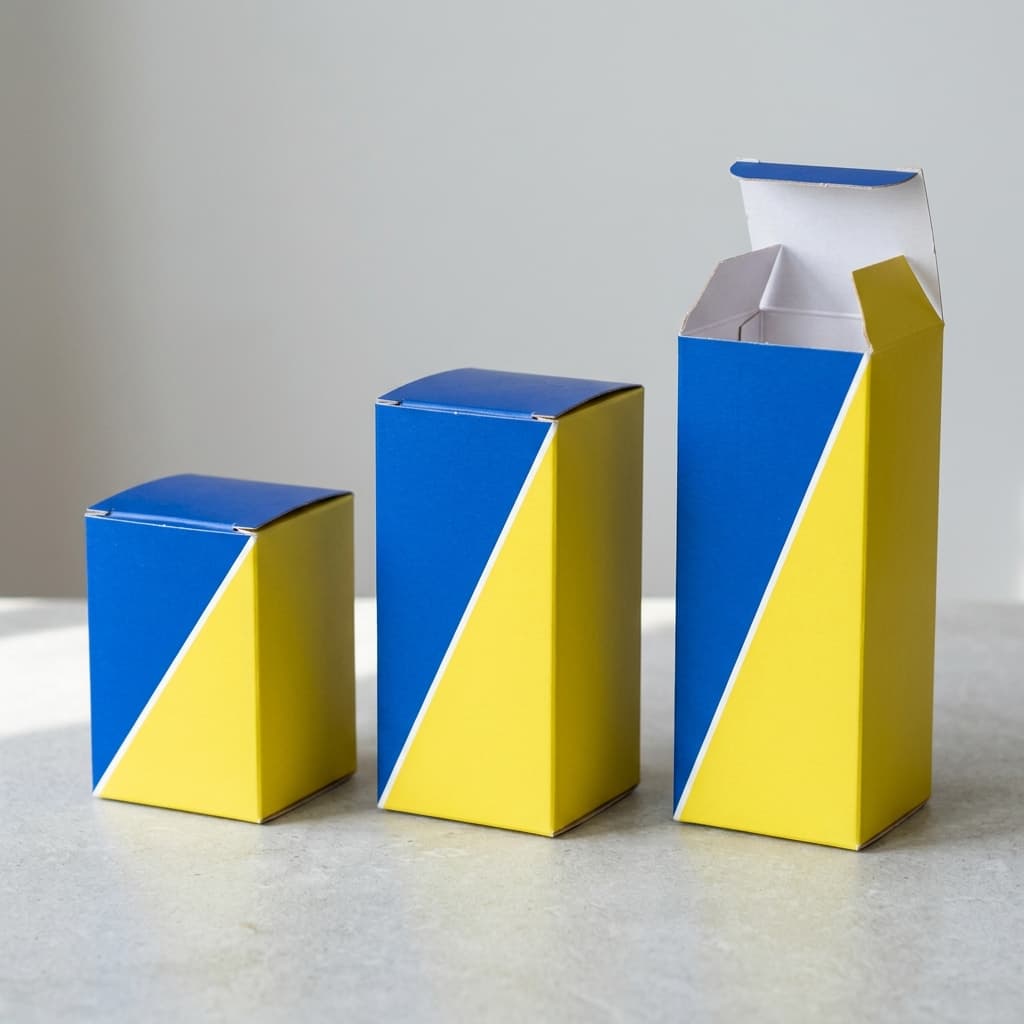
Folding Cartons
Lightweight printed cartons with crisp color, structure, and shelf appeal.
Explore box styleQuestions about puzzle boxes.
Box style FAQsWe’ll confirm the exact details that apply to your structure and volume.
Read all frequently asked questionsShould puzzle pieces go in a bag inside the box?+
Yes, we recommend it. A bag keeps the pieces together in transit, stops small pieces escaping between the lid and the base, and shows the puzzle is complete and unopened. A paper bag keeps the whole pack plastic-free. A resealable bag is handy for puzzles that are done more than once and passed on.
Can puzzles with different piece counts share one box size?+
Yes, and we recommend it for a range, so the boxes line up neatly on a shelf. We size the box for the largest piece count, and a bag inside keeps smaller puzzles from rattling. Very large piece counts may need a bigger box. We print the piece count on the side, so boxes that look alike are easy to tell apart.
Can each puzzle in a range have its own picture on the box?+
Yes. We print each puzzle's picture as its own artwork on the lid, so the lid matches the puzzle exactly and works as the solving guide. For short runs or photo puzzles, we can also make one standard box and add a printed label or sleeve showing each picture, so the whole range uses one box design.
Can a puzzle box be made without plastic?+
Yes. We finish the lid with a varnish instead of plastic lamination, use a paper-based wrap, and close the lid with a paper seal sticker instead of shrink wrap. Pair that with a paper bag for the pieces and the whole puzzle box is plastic-free.
Start with a free recommendation
Get pricing