

 Made to your size
- 100 boxes
- Custom sizes & styles
- Free dieline support
- Quality print options
- Proof before production
- 8–12 business day production
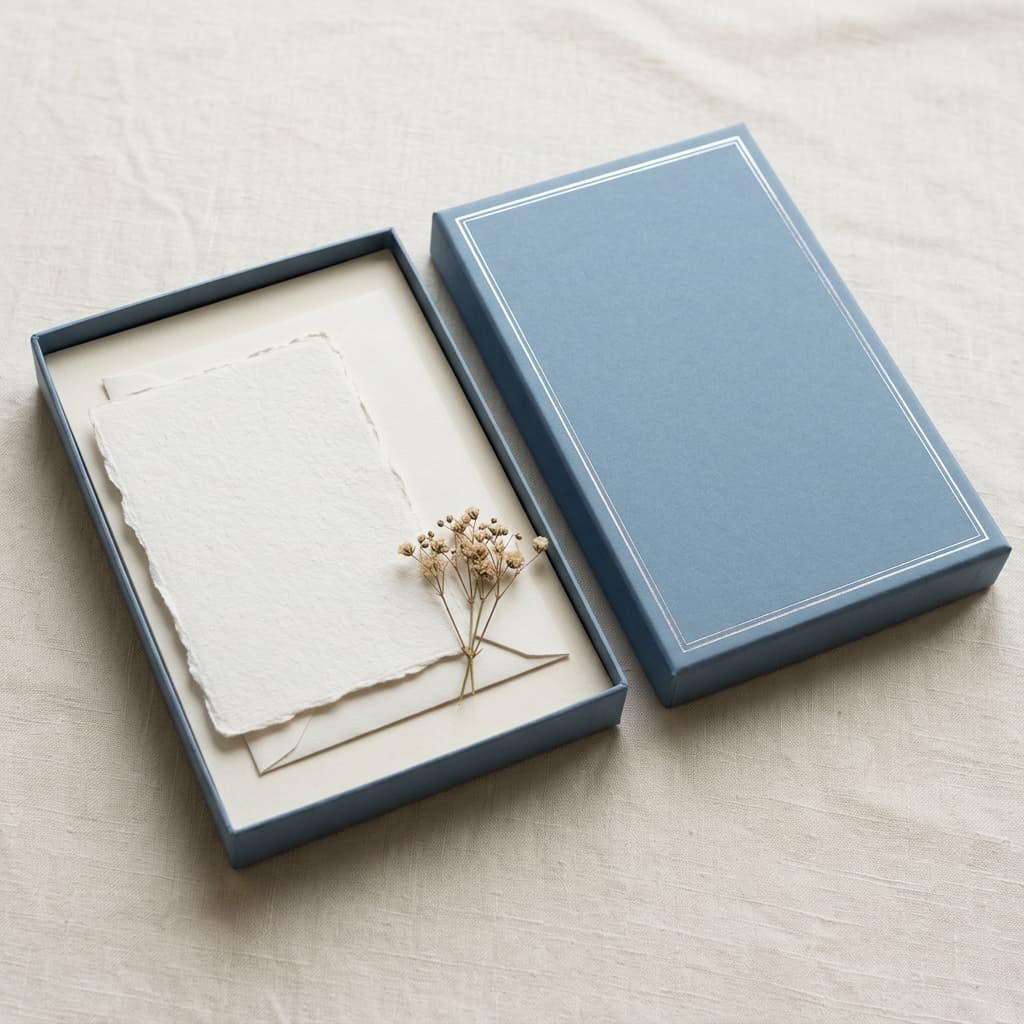
Invitation boxes hold an invitation suite in a shallow box instead of an envelope: the main card, RSVP and details cards, and sometimes a small gift. They are usually rigid boxes with a lift-off or magnetic lid, wrapped in printed or textured paper. They suit weddings, launches and events where the invitation is meant to be kept.
Boxed event invitations
Custom Invitation Boxes
✓Clear proofing before productionSee our process
Get a free quote
Tell us what you are packing and we’ll reply with practical options.
Product features
Built around the jobHolds a full card suite
Ribbon pull or card insert
Foil and emboss options
Cut spaces for small keepsakes
Reply card and envelope slot
Folding carton version
Deeper proposal box build
Specifications made for your product.
Technical snapshotEvery final specification is confirmed against product weight, packing method, print coverage, route, and order volume.
View artwork preparation guide- SKU
- bm-1039
- Dimensions
- Custom-made around the product and packing workflow
- Materials
- Rigid greyboard, Textured wrapping paper, SBS paperboard
- Printing
- CMYK, Pantone, white ink, or unprinted
- Finishes
- Matte, gloss, soft-touch, foil, embossing, spot UV
- Quantities
- Starting at 100 on selected configurations
- Proofing
- Dieline and digital proof
Make the invitation worth keeping.
Artwork and materialsArtwork goes on the lid, the inside of the lid and any card insert. The lid is the first impression, so names, monogram and date usually sit there in foil or emboss. Our packaging guides cover sizing, materials, print, and cost in more depth.
Lid, inside lid and insert
We set your design on the lid wrap and inside the lid, and size any card insert to hold your suite in order. Reply card slots and keepsake spaces are placed so nothing covers your main wording.
Explore print and finishesTextured papers and foil
Textured wrap papers give a soft, tactile finish, and foil or embossing on names and monograms catches the light. A folding carton version keeps the same look with printed board for larger guest lists.
Explore material decisionsChoose your box
Tell us the cards in your suite, their sizes, any keepsakes and how many guests you are inviting.
Request a quote
We recommend the box build, lid style and insert that suit your suite and your guest list.
Finalize the order
Confirm the box, papers, finishes, insert layout and delivery details before production.
Build the dieline
We draw the box and insert around your exact card sizes and any small keepsake.
Approve the proof
Check names, dates, foil areas and the insert layout on the digital proof before we print.
Roll on production
We make and wrap your boxes, fit the inserts, check every lid, and pack them for delivery.
Best for
WeddingsProposal boxesProduct launchesGala invitationsWhat changes the price.
Cost factorsEvery project is quoted individually. These are the choices that move the price on almost every order.
- Construction
- A rigid box costs more than a folding carton. A magnetic or book-style lid adds parts and steps.
- Wrap paper
- Linen, felt-textured and pearlescent papers cost more than a printed coated wrap.
- Inserts and extras
- Ribbon pulls, card holders and cavities for a gift each add material and hand work.
- Quantity
- Guest lists are often small runs, so set-up work makes up more of the price of each box.
Buyer guidance
Choosing this format
How an invitation box is made
Most invitation boxes are shallow rigid boxes, just deep enough for a stack of cards and perhaps a small gift.
The box is greyboard wrapped in paper, made up at the factory and delivered ready to use. A lift-off lid is the simplest build. A magnetic flap or a book-style lid opens like a cover and gives a more formal reveal.
Inside, a ribbon pull under the cards lets the guest lift the whole suite out without digging at the edges. A shallow tray or slot can hold the RSVP card apart from the main invitation.
- Shallow rigid box, made up
- Lift-off, magnetic or book lid
- Ribbon pull to lift the cards
Sizing the box to the suite
Design the cards first, then size the box around them with only a few millimetres to spare.
The box depth depends on how many cards there are and how thick they are. A suite of three heavy cards needs very little depth; a suite with a small gift, a fabric swatch or a booklet needs more. Measure the full stack with any wrap or band around it.
Too much room and the cards slide and bend at the corners. Too little and they are hard to lift out. A snug fit with a ribbon pull is the usual answer. Send us the card sizes and the height of the full stack, and we size the box around them.
Posting a boxed invitation
A box costs more to post than a flat envelope and usually needs an outer layer.
Postal services price mail by size, thickness and weight, and a rigid box often falls into a parcel or large letter band rather than a standard letter. Check the band against the box's finished size, shown on the dieline, before committing to a guest list's worth of postage.
A wrapped rigid box will scuff and dent at the corners in the post if it goes uncovered. A plain outer mailer or a padded envelope keeps it in good condition. Many invitation boxes are hand-delivered for this reason.
- Check the postal band against the dieline
- Use an outer mailer for posting
- Hand delivery avoids scuffed corners
Invitation box or envelope and folder?
A box makes the invitation a keepsake. An envelope or folder is cheaper and easier to post.
A folder or pocket card holds the same suite of cards, posts as a letter and costs a fraction of a box. It suits large guest lists and invitations that are read and then put away.
A box is chosen when the invitation is part of the experience: it is kept, displayed or holds a gift. It works best for a smaller list, such as a wedding party or a VIP launch, where the extra cost is spread over fewer guests.
Wrap, foil and the look
The wrap paper and a single finish do most of the work on an invitation box.
Textured papers, such as linen or felt finishes, give a handmade look and hide small marks. Smooth coated papers show photography and colour more clearly. Foil on names or a monogram on the lid reads well on both, and embossing gives a raised feel that suits weddings.
Light-coloured wraps show handling marks quickly, which matters when every box is opened by hand. Keep the lid design simple and save detail for the cards inside, which are printed separately.
Rigid invitation box or folding carton?
A rigid box is the right pick for a short, settled guest list. A folding carton is the right pick for a larger list or a tighter budget.
If dates, venues or names may still change, keep the details on the cards and the box design general. A box printed with the date cannot be corrected later, while a card can be reprinted.
For a large guest list, the cost of rigid boxes and postage adds up fast. A folding carton is lighter and ships flat, and we can make the rigid version in the same design for a few key guests.
Related packaging formats
Compare your options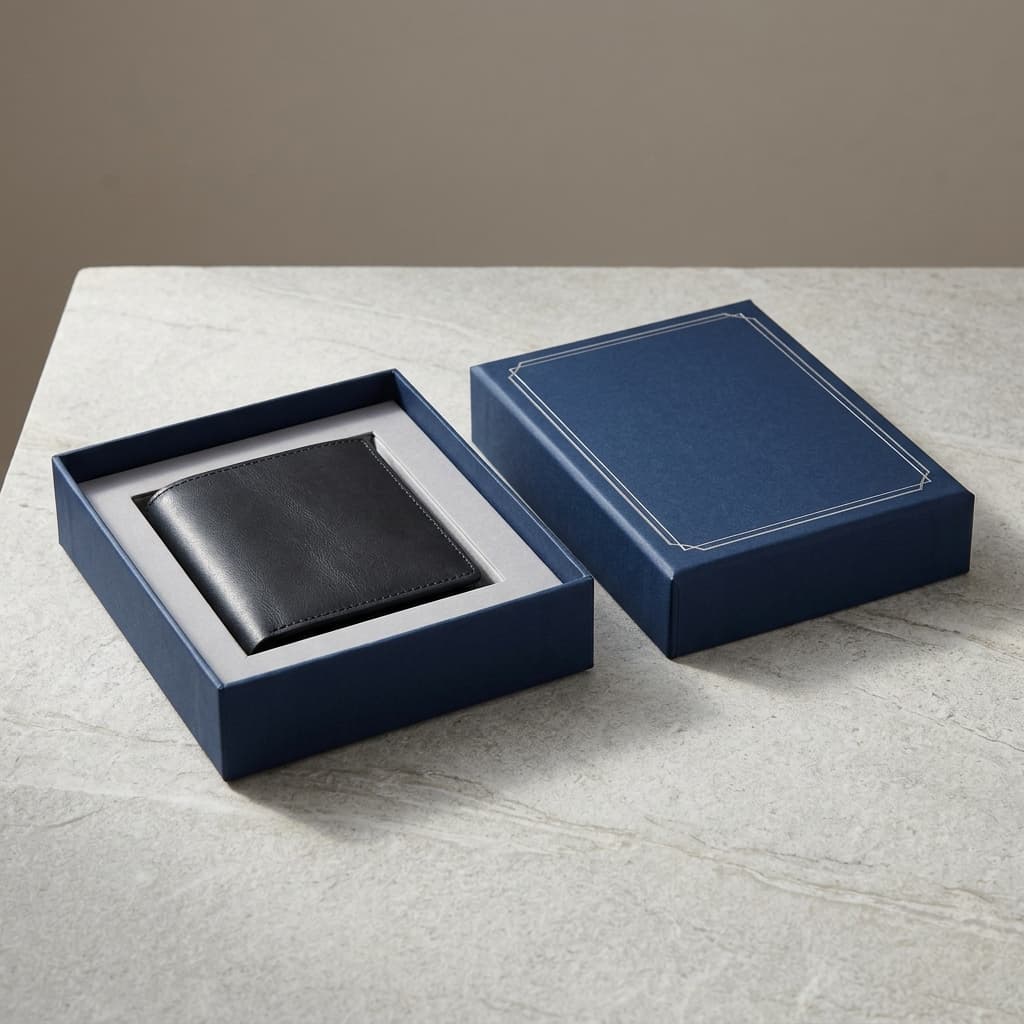
Rigid Boxes
Luxury two-piece and magnetic boxes with a substantial, keepsake feel.
Explore box style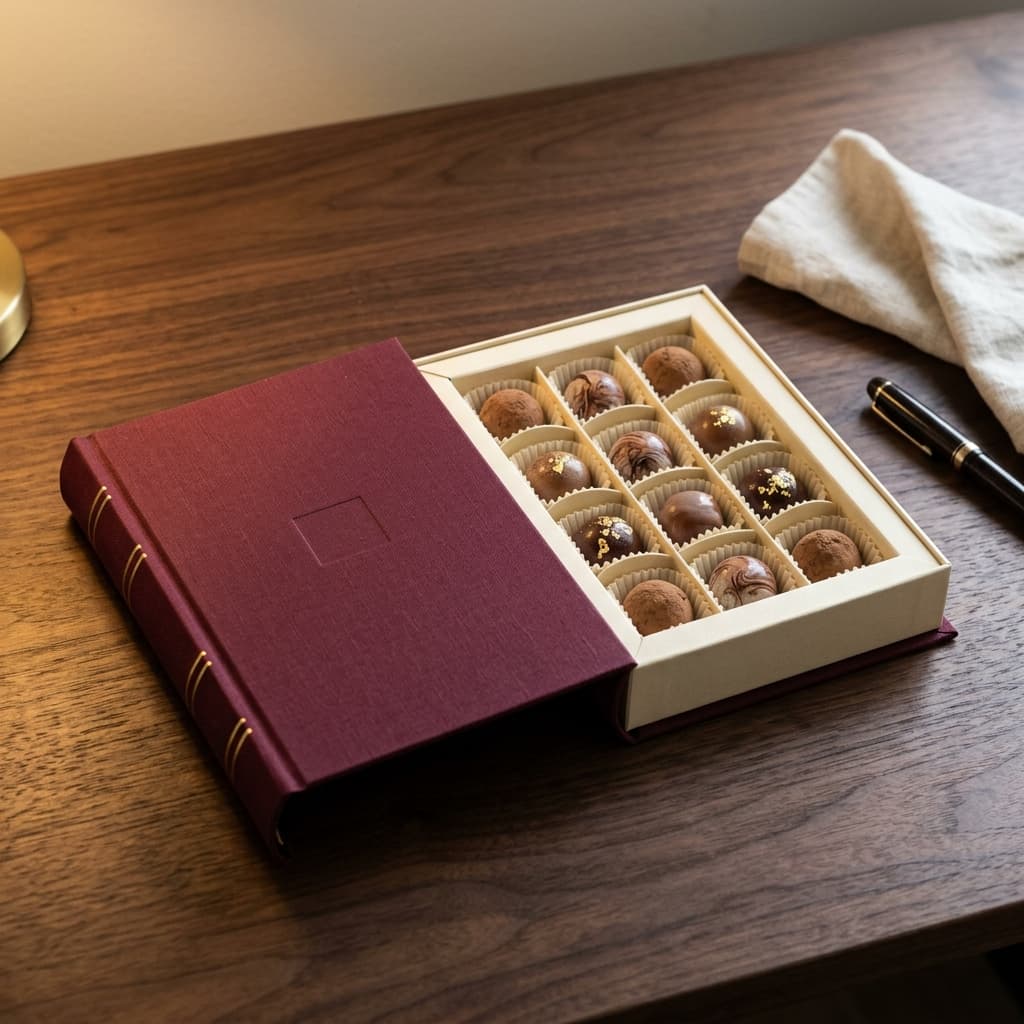
Book Style Boxes
A hinged rigid box that opens sideways, with a spine like a hardback.
Explore box style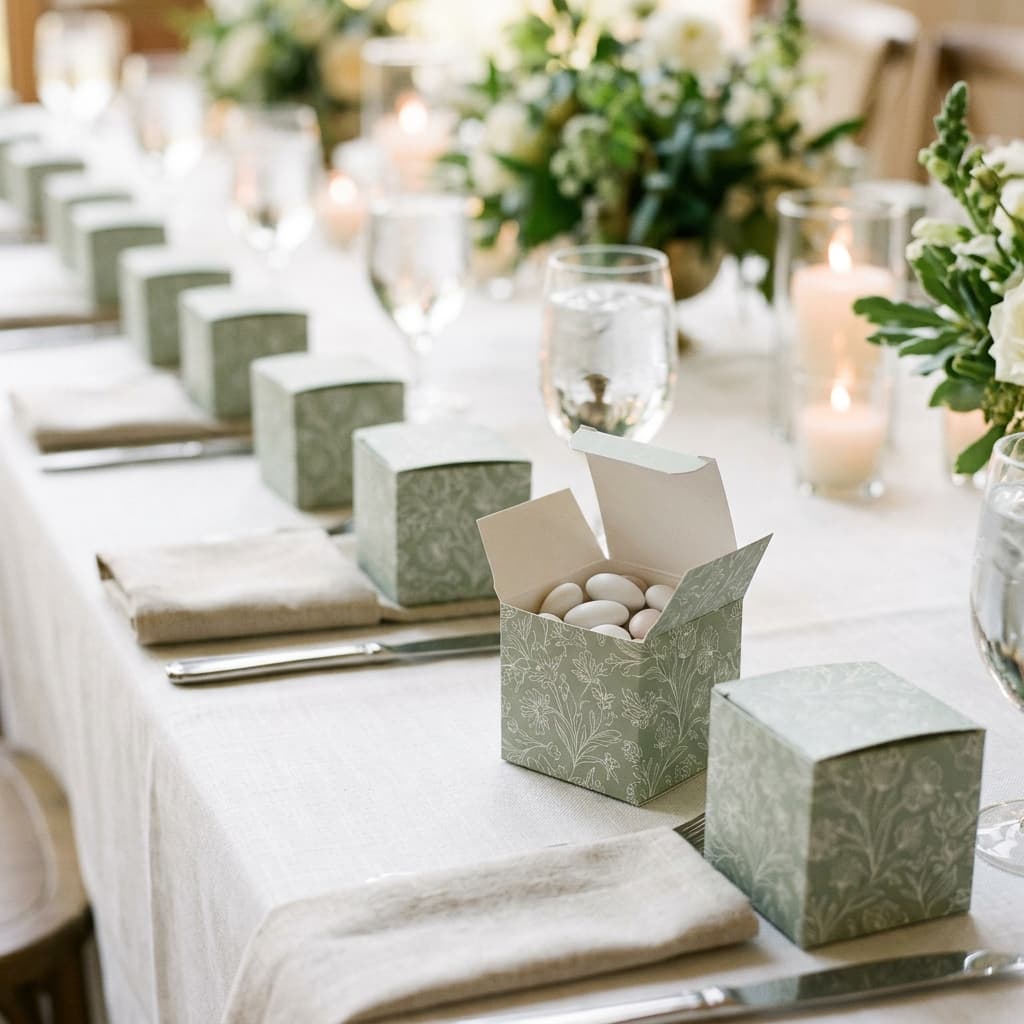
Favor Boxes
Small printed boxes for wedding favours, party gifts and table place settings.
Explore box styleQuestions about invitation boxes.
Box style FAQsWe’ll confirm the exact details that apply to your structure and volume.
Read all frequently asked questionsWhat can go in an invitation box besides the cards?+
Popular extras include a small sweet treat, a fabric swatch for the dress code, dried flowers, a miniature bottle or a small keepsake. We cut a space for each one in the insert, so everything sits in place when the lid comes off. Tell us what you want to include and we size the box depth around it.
Can an invitation box be used as a bridesmaid proposal box?+
Yes. We use the same build, just deeper, to hold a card and a small gift such as jewellery, a candle or a mini bottle. We cut the insert to the gifts so they sit in place when the lid comes off. Matching the wrap and finish to your invitation boxes makes the two feel like one set.
Can an invitation box be made from paperboard instead of rigid board?+
Yes. We can make it as a folding carton, which is lighter and ships flat, so it costs less to post than a rigid box. It still frames the cards far better than an envelope. Paperboard suits larger guest lists, while rigid board suits a smaller list where you want guests to keep the box.
Can an invitation box hold a reply card and return envelope?+
Yes. We give the reply card and its envelope their own slot or tray, so guests find them easily and do not throw them away with the box. We size the slot to the envelope, which is usually larger than the card. Send us the envelope size with your other cards and we fit everything into one insert.
Start with a free recommendation
Get pricing