

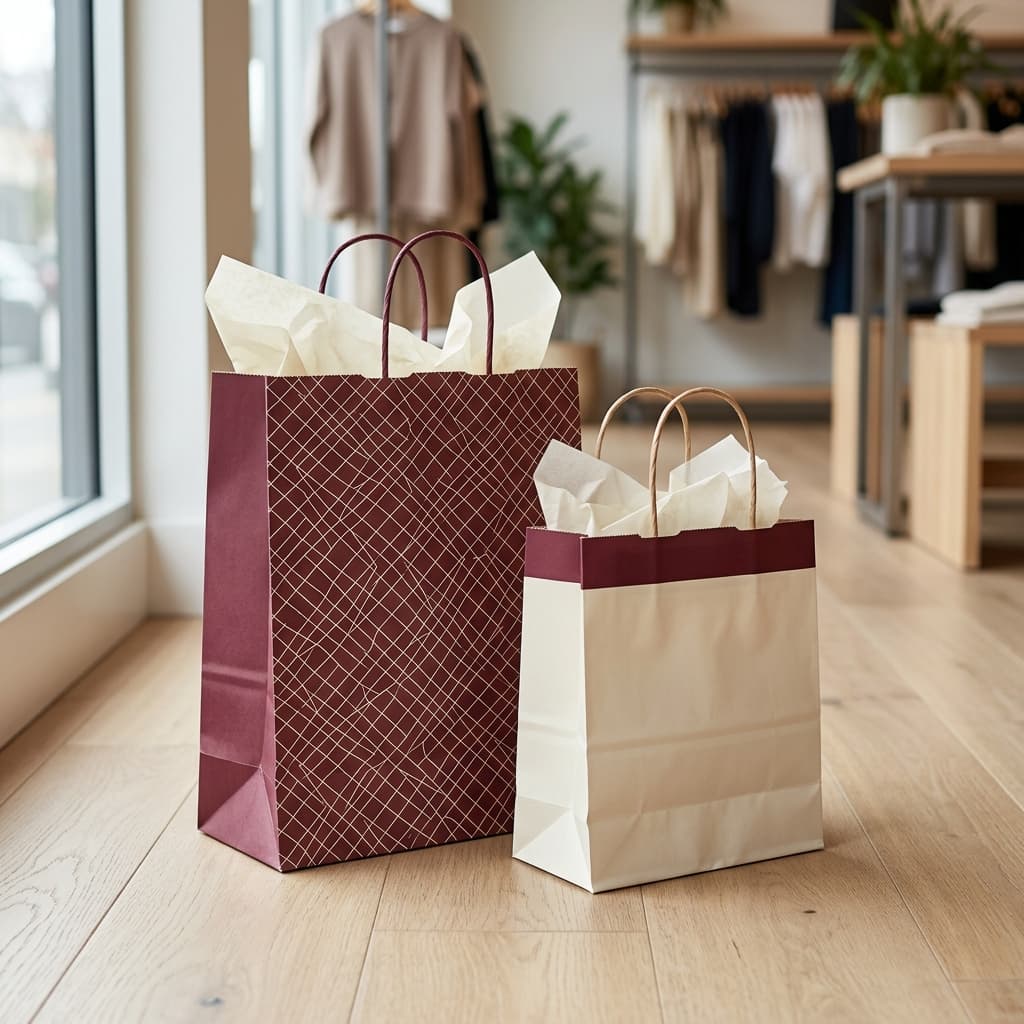
 Made to your size
- 100 boxes
- Custom sizes & styles
- Free dieline support
- Quality print options
- Proof before production
- 8–12 business day production
A paper carrier bag is the packaging a customer walks out of the shop with, so it is seen in the street long after the sale. It folds flat for storage, opens into a square base that stands up on the counter, and carries on handles that are glued inside the top. Printed in your colours, it suits boutiques, events, gift counters and food to go.
Carry the brand out
Custom Paper Bags
✓Clear proofing before productionSee our process
Get a free quote
Tell us what you are packing and we’ll reply with practical options.
Product features
Built around the jobFolds flat for storage
Stands on a square base
Printed outside
Wide or narrow gussets
Reinforced base card
Printed inside option
Grease-resistant food bags
Specifications made for your product.
Technical snapshotEvery final specification is confirmed against product weight, packing method, print coverage, route, and order volume.
View artwork preparation guide- SKU
- bm-1019
- Dimensions
- Custom-made around the product and packing workflow
- Materials
- Kraft paper, White kraft paper, Coated art paper
- Printing
- CMYK, Pantone, white ink, or unprinted
- Finishes
- Matte, gloss, soft-touch, foil, embossing, spot UV
- Quantities
- Starting at 100 on selected configurations
- Proofing
- Dieline and digital proof
A bag that carries your name outside.
Artwork and materialsOn a paper bag the front and back panels are your main billboard, and the gussets show when it opens. Artwork near the base fold and top band needs care. Our packaging guides cover sizing, materials, print, and cost in more depth.
Front, back and gusset panels
We set your design on the flat bag dieline, keeping key artwork clear of the bottom fold and the folded top band. The gussets and inside can carry print that shows when the bag opens.
Explore print and finishesKraft or coated art paper
Brown kraft gives a strong, natural look with deeper colours, white kraft prints brighter, and coated art paper gives the smoothest, most vivid print. Twisted paper, flat paper or rope handles each change how premium the bag feels.
Explore material decisionsChoose your box
Tell us what the bag carries, its largest item and how many sizes you need.
Request a quote
We recommend the paper, handle style and sizes that suit what you sell and how much it weighs.
Finalize the order
Confirm each size, paper, handles, base card, inside print and closure, and the quantity per size.
Build the dieline
We draw the bag by width, gusset and height, with room for the handles to close above.
Approve the proof
Review the front, back, gussets and top band artwork for each size on the digital proof.
Roll on production
Your bags are printed, formed, fitted with handles, checked and packed flat for your counter.
Best for
Retail and boutiquesEvents and trade showsGift countersFood to goBuyer guidance
Choosing this format
How a paper bag is folded and glued
A tube of paper is folded into a flat bag with a square base and pleated sides, then fitted with handles.
The front and back panels are joined down one seam, and the sides are folded inwards into a pleat called the gusset. The bottom is folded and glued into a rectangle, so the bag opens into a box shape and stands up on its own.
The top edge is usually folded over inside to make a stronger band, and the handles are glued or knotted into that band. The gusset is what gives a bag its depth: a wide gusset carries boxed items, a narrow one suits flat goods such as clothing or prints.
- Gusseted sides give the bag its depth
- A glued square base lets it stand
- Handles are fixed into a folded top band
Handles and what they carry
The handle and the top band take the whole load, so they decide how much a bag can hold.
Twisted paper handles are the everyday choice: they are glued inside the top and carry a good weight for their cost. Flat paper handles are wider and sit lower against the bag, which suits takeaway food and supermarket-style bags. Send us the weight of a typical full bag and we suggest the handle.
Rope or ribbon handles are threaded through punched holes and knotted inside, usually with a card strip behind the holes to stop them tearing. They look more premium and suit gifts and boutiques, but they add steps to making the bag.
- Twisted paper: everyday retail
- Flat paper: food to go, heavier loads
- Rope or ribbon: gifts and premium retail
Paper weight and finish
Heavier paper carries more and feels better in the hand, at a higher cost per bag.
Paper is measured in grams per square metre (gsm). Lighter papers suit small, light purchases. Heavier papers stand up straighter, resist tearing at the handles, and feel more substantial, which matters when the bag is part of the gift.
Brown kraft is strong and reads as natural. White kraft prints colours more brightly while keeping the same strength. Coated art paper gives the smoothest, most vivid print and can be laminated, but a laminated bag is harder to recycle than plain paper.
- Brown kraft: strong, natural look
- White kraft: brighter colour
- Coated or laminated: premium, harder to recycle
Sizing a bag
A bag is sized by its width, its gusset (the depth) and its height, measured on the bag laid flat and opened.
Start from the largest thing it will carry. The width and gusset should clear the item's footprint with room for tissue or a box, and the height should cover it with space left for the handles to close above it. Send us the size of that largest item and we suggest the width, gusset and height to match.
Most shops need two or three sizes rather than one: a small bag for jewellery or cosmetics, a medium bag for most purchases, and a large one for bulky items. Using the same print on all of them keeps the brand consistent at every till.
Printing a carrier bag
Bags are printed before they are folded, so the design has to allow for the gussets and the base.
The front and back panels are the main billboard. The gussets fold inwards when the bag is flat, so anything printed there is only seen when it is open. Artwork near the bottom fold or the top band can end up folded under or glued over, so we mark those areas on the dieline.
Kraft paper absorbs ink and changes its colour, so bright colours look deeper and white ink is needed to print light colours on brown paper. A one- or two-colour logo on kraft is a common, economical look.
Carrier bag or mailer box?
A paper bag is the pick for carrying a purchase out of the shop. A mailer box is the pick when the order goes in the post.
Wet, very heavy or sharp-edged contents are the limit of paper. Paper weakens when it gets wet, so bags for chilled or dripping food need a liner or a different material. Very heavy goods strain the handles and the base, and sharp corners can tear the paper from inside.
A carrier bag is also made to be carried, not posted. For shipping, choose a mailer box or a corrugated box, and put the branded bag inside it if you want the unboxing to include one.
Related packaging formats
Compare your options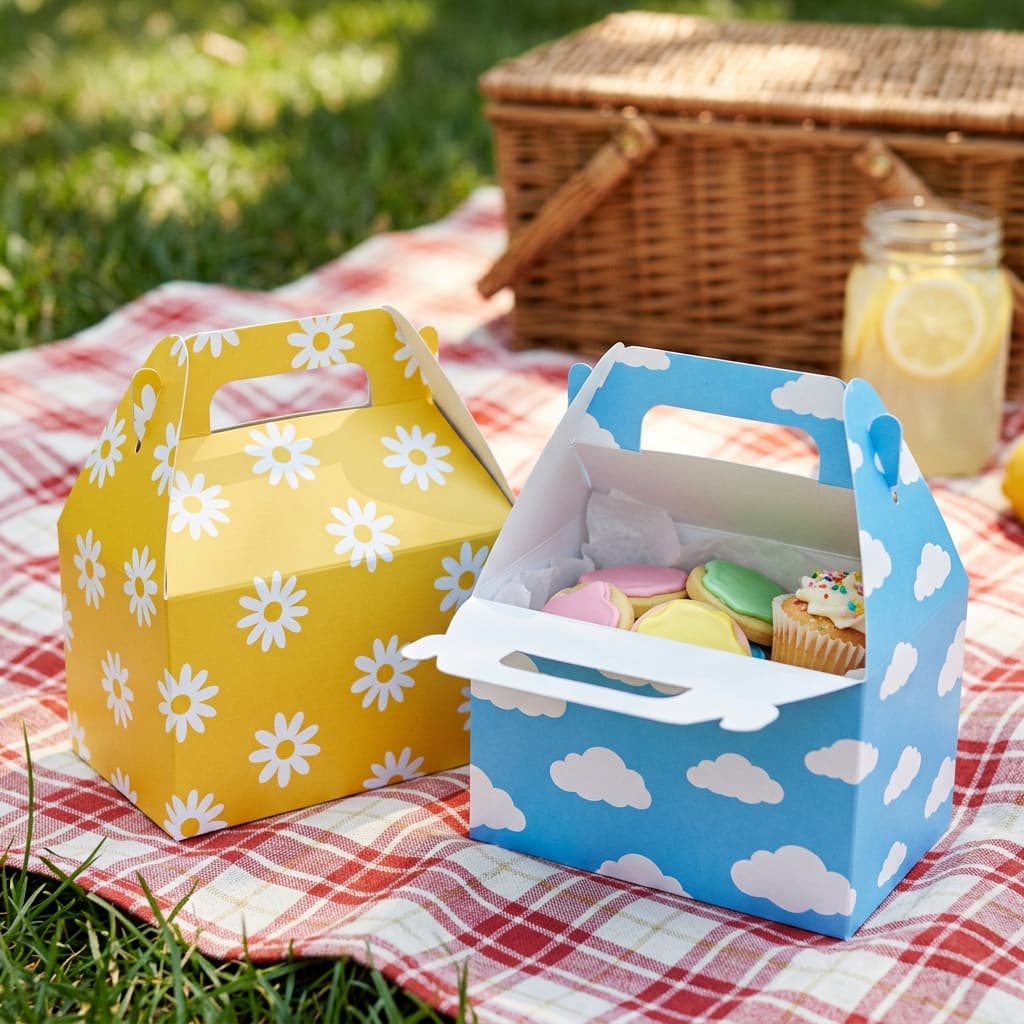
Gable Boxes
A folded carry box with a built-in handle, assembled in seconds.
Explore box style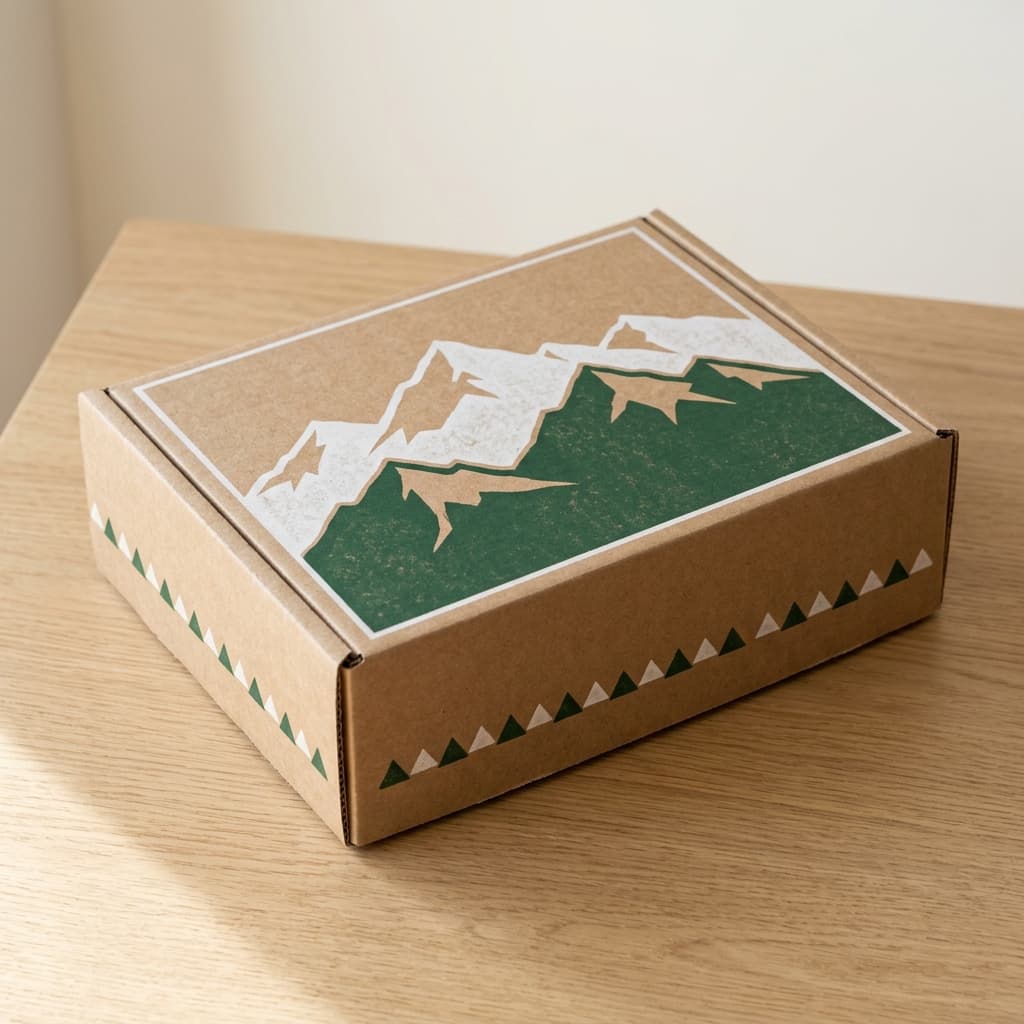
Kraft Packaging
Warm, honest kraft packaging with recycled content and modern print.
Explore box style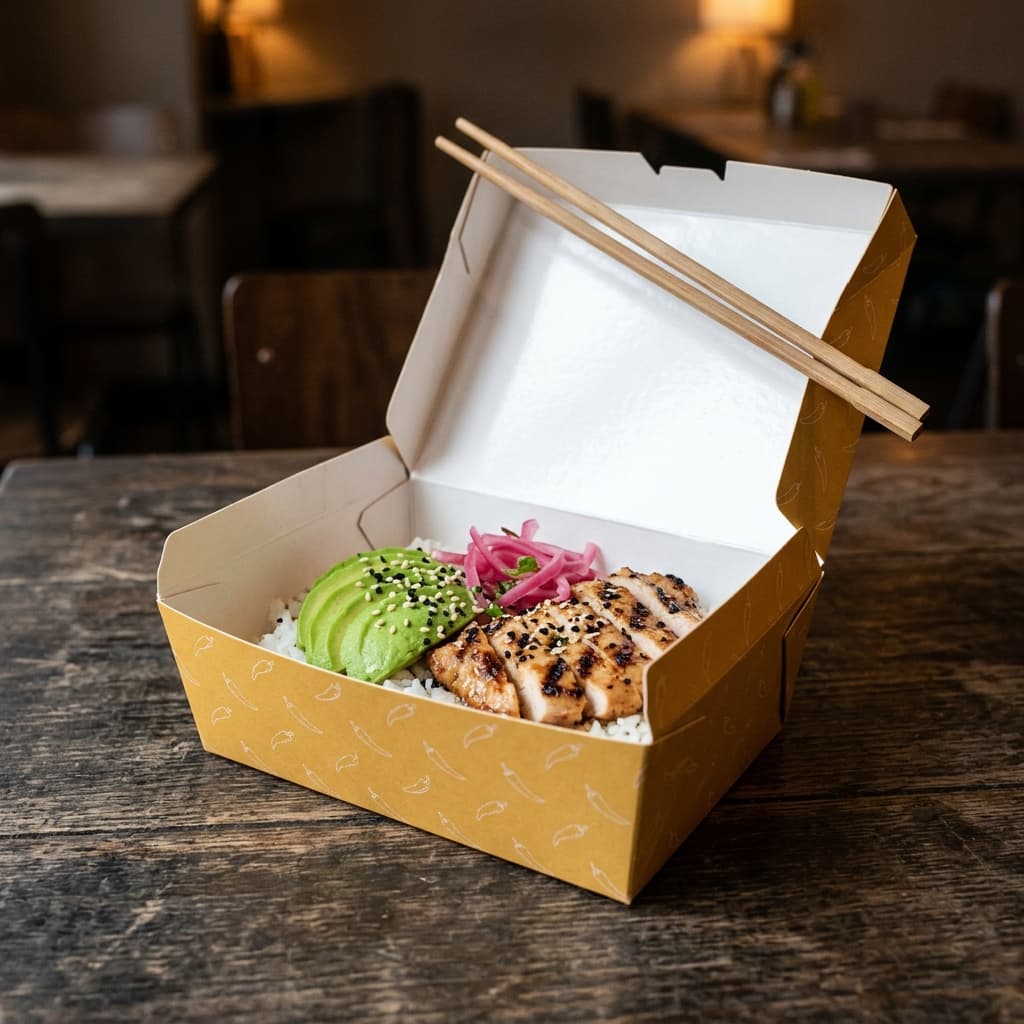
Food Boxes
Thoughtful cartons, sleeves, and carry boxes for food and beverage brands.
Explore box styleQuestions about paper bags.
Box style FAQsWe’ll confirm the exact details that apply to your structure and volume.
Read all frequently asked questionsHow much weight can a paper carrier bag hold?+
We build each bag for the load it carries. Its strength comes from the paper weight, the handles and the base, so tell us your heaviest typical purchase and we choose the build to match. For heavier goods, we add a card insert in the base, which spreads the load and stops boxed items pushing through.
Which paper bag handles are recyclable?+
Twisted or flat paper handles, which keep the whole bag paper so it goes straight in with paper recycling. Rope and ribbon handles look more premium but are usually cotton or synthetic, so they come off before recycling. We make both, and for an all-paper bag we recommend paper handles with an unlaminated finish.
Can the inside of a paper bag be printed?+
Yes. We print the paper flat before the bag is formed, so the inside can carry a pattern, a colour or a message. It suits gift bags, where the customer looks in as they unpack. For everyday carrier bags, a bold outside with a plain inside is the usual choice and keeps the bag simpler.
Do you make paper bags for food to go?+
Yes. We make food bags for takeaway, bakery and deli orders, with a grease-resistant inside where the food needs it. A square-bottom bag stands flat and carries a burger box and a fries box side by side, while a flat bag suits pastries and sandwiches. Both can be printed with your brand.
How can a paper bag be closed at the top?+
The usual options are a seal sticker across the top, a fold-over with a label, a ribbon tied through the handles, or twisted handles pressed together. For food to go and gifts, a seal shows the bag has not been opened. We allow for the closure when sizing the bag, because folding the top takes height.
Start with a free recommendation
Get pricing