
 Made to your size
- 100 boxes
- Custom sizes & styles
- Free dieline support
- Quality print options
- Proof before production
- 8–12 business day production
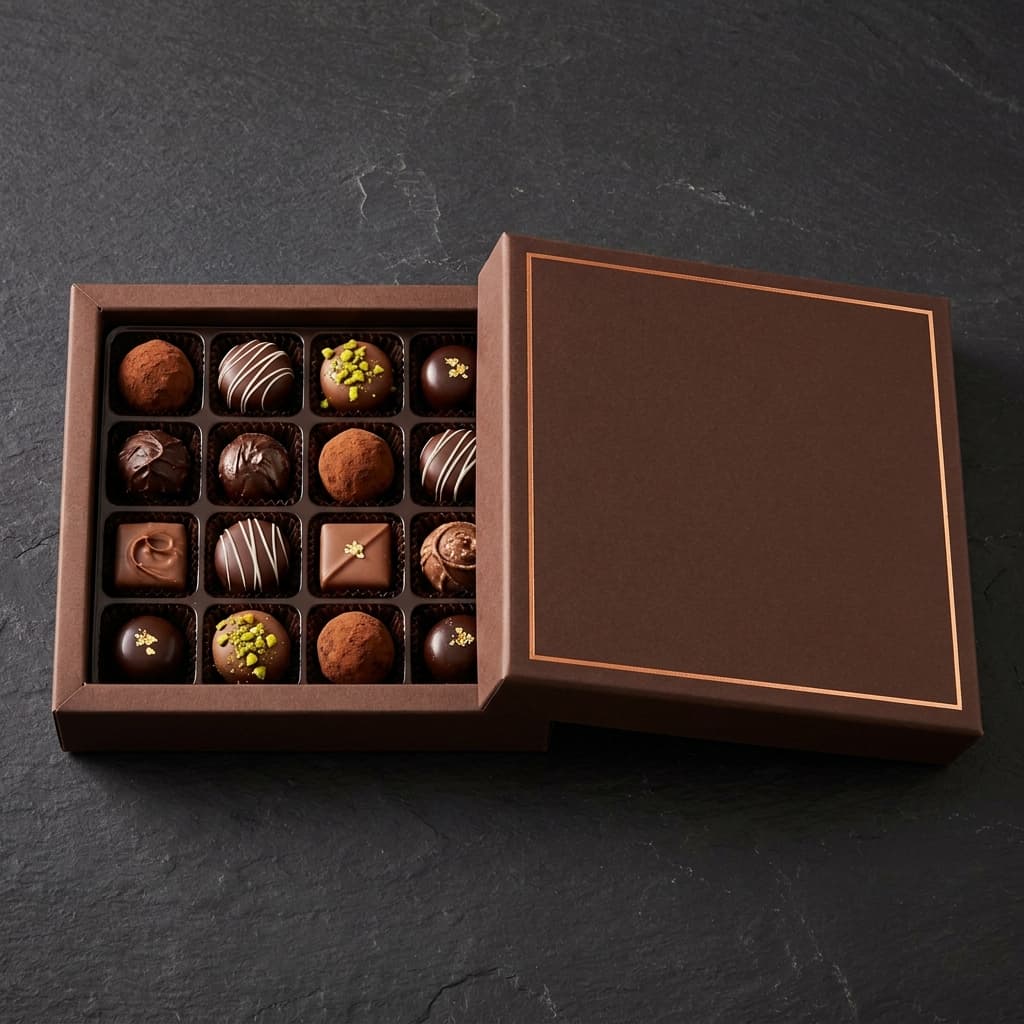
A chocolate box is usually a lid-and-base box with an inner tray that gives each piece its own cavity, so pieces do not scuff or touch. Premium ranges often use rigid board wrapped in printed paper, while everyday ranges use folding cartons. They suit chocolatiers, gift ranges, hotels and seasonal retail.
Confectionery gifting
Custom Chocolate Boxes
✓Clear proofing before productionSee our process
Get a free quote
Tell us what you are packing and we’ll reply with practical options.
Product features
Built around the jobRigid or folding builds
Foil and emboss finishes
Low-odour materials worth asking for
Flavour menu card
Two-layer trays with divider
Seal label across the lid
Glassine cups and top pad
Specifications made for your product.
Technical snapshotEvery final specification is confirmed against product weight, packing method, print coverage, route, and order volume.
View artwork preparation guide- SKU
- bm-1030
- Dimensions
- Custom-made around the product and packing workflow
- Materials
- Wrapped rigid greyboard, SBS paperboard, Card or moulded tray
- Printing
- CMYK, Pantone, white ink, or unprinted
- Finishes
- Matte, gloss, soft-touch, foil, embossing, spot UV
- Quantities
- Starting at 100 on selected configurations
- Proofing
- Dieline and digital proof
Make every lid worth unwrapping.
Artwork and materialsYour artwork lives on the lid, the base sides and the inside of the lid, where a flavour menu often sits. The lid carries the gift moment, so it gets the strongest design. Our packaging guides cover sizing, materials, print, and cost in more depth.
Lid, sides and menu card
We set your artwork on the lid wrap, the base sides and the inside of the lid. If you want a menu card, we map each flavour to its cavity so the card matches the tray exactly.
Explore print and finishesRigid wrap or folding board
Wrapped rigid board takes textured papers, foil and embossing for a keepsake feel, while folding board gives sharp full-colour print for volume ranges. We keep finishes on the outside and leave the tray plain.
Explore material decisionsChoose your box
Tell us the chocolates, how many pieces, their shapes and whether you want a rigid or folding box.
Request a quote
We recommend the build, tray and finishes, and explain what each choice means for your box.
Finalize the order
Confirm the box style, tray layout, layer count, finishes and delivery details before we start.
Build the dieline
We draw the box around your cavity layout, with depth to clear the tallest piece and the top pad.
Approve the proof
Check the lid, sides, inside lid and menu card on the digital proof, with every cavity mapped.
Roll on production
We make the boxes and trays, check the fit and finish, then pack them flat or set up as agreed.
Best for
ChocolatiersGift rangesHotels and hospitalitySeasonal retailWhat changes the price.
Cost factorsEvery project is quoted individually. These are the choices that move the price on almost every order.
- Rigid or folding
- A wrapped rigid box takes far more hand work than a folding carton that ships flat.
- Tray
- A cavity tray is a separate part, and a new cavity layout needs its own tooling.
- Finishes
- Foil, embossing, soft-touch lamination and ribbons each add a step.
- Quantity
- Set-up and tooling are shared across the run, so the price per box falls as quantity rises.
Buyer guidance
Choosing this format
Inside a chocolate box: base, lid and tray
Most chocolate boxes are a base and lid with an inner tray that gives each piece its own cavity.
Premium boxes are often rigid: thick greyboard wrapped in printed or textured paper, assembled by hand or semi-automatically. Everyday and seasonal ranges use folding cartons that ship flat and are cheaper to store.
Inside, a tray with shaped cavities holds the pieces, often with each one in a paper or glassine cup. A padded sheet on top stops the pieces lifting when the box is turned.
- Rigid for premium, folding for volume
- Cavity tray holds each piece
- Paper cups and a top pad are common
Materials and odour
The outer box is chosen for look and feel. The tray and cups are what guard the chocolate itself.
Chocolate picks up smells easily, so low-odour inks, glues and boards are worth asking about, and finished boxes are best stored away from strong smells. We confirm the trays and cups are suitable for direct food contact before production.
Trays come in card with cut cavities, moulded fibre or formed plastic. Card and fibre keep the pack mostly paper, while formed trays hold small, irregular shapes more tightly.
Sizing from the cavity layout
Box size follows the tray: how many pieces, what shape they are and the gap between them.
Square grids of four, nine, sixteen or twenty-five are common, along with single rows for slim boxes. Each cavity is a little larger than the piece so it lifts out cleanly without rattling.
Depth needs to clear the tallest piece plus the top pad. A lid that presses down marks the surface of the chocolate, which is the one thing a chocolate box is meant to prevent.
- Grids of 4, 9, 16 or 25 are common
- Cavity slightly larger than the piece
- Depth clears the tallest piece and pad
Rigid chocolate box or folding carton?
A rigid box is often kept after the chocolates are gone. A folding carton is cheaper and ships flat.
A rigid box feels solid, takes wrapped papers and closures well, and is often reused, which keeps the brand in the home. It takes up full space in storage and freight, and costs more per unit.
Folding cartons suit larger runs, seasonal lines and anything sold at a lower price point. With a good tray and a strong print they still look like a gift.
Finishes that suit chocolate
Chocolate is a treat bought on looks, so finish carries more weight here than on most food packs.
Foil, blind embossing and soft-touch lamination are common on lids. Soft-touch feels good in the hand but can show scuffs and fingerprints on dark colours, so tell us the lid colour and we suggest the finish that will wear best.
Keep finishes on the outside and leave the tray and the inside of the lid plain. Ribbons, wraps and magnetic closures add to the gift feel and also to the hand work in each box.
Chocolate box or printed sleeve?
A lidded box with a cavity tray is the right pick for a gift of individual pieces. A printed sleeve is the right pick for bars and lower-priced lines.
For low-cost bars and impulse lines, a printed wrapper or a simple sleeve is usually a better fit than a lidded box with a tray. We make sleeves to the size of the bar, so a range can carry one look from the gift box down to the single bar.
Whichever pack is chosen, no box keeps chocolate cool. Chocolate that warms and cools again develops bloom, a pale film on the surface, and a printed box does nothing to stop it. Sending chocolate in warm weather needs an insulated shipper and cold packs around the box.
Related packaging formats
Compare your options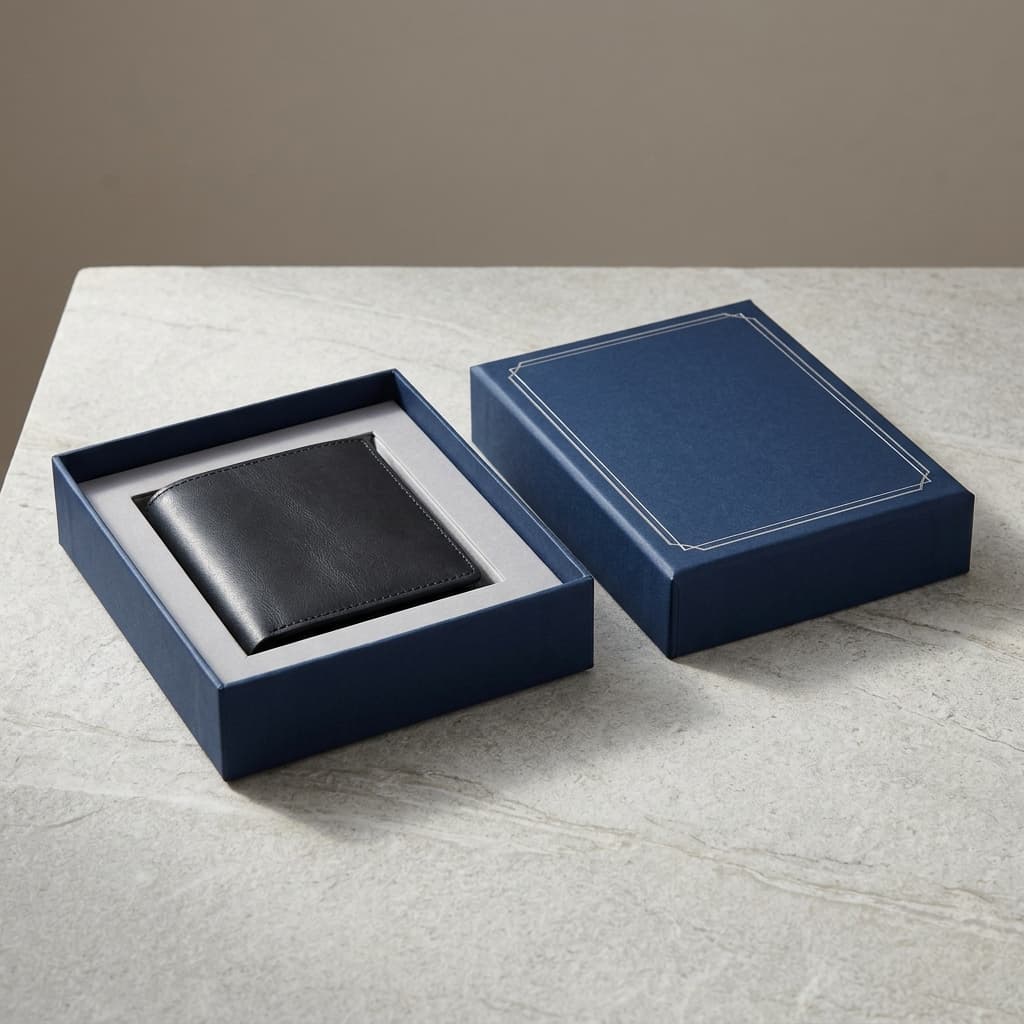
Rigid Boxes
Luxury two-piece and magnetic boxes with a substantial, keepsake feel.
Explore box style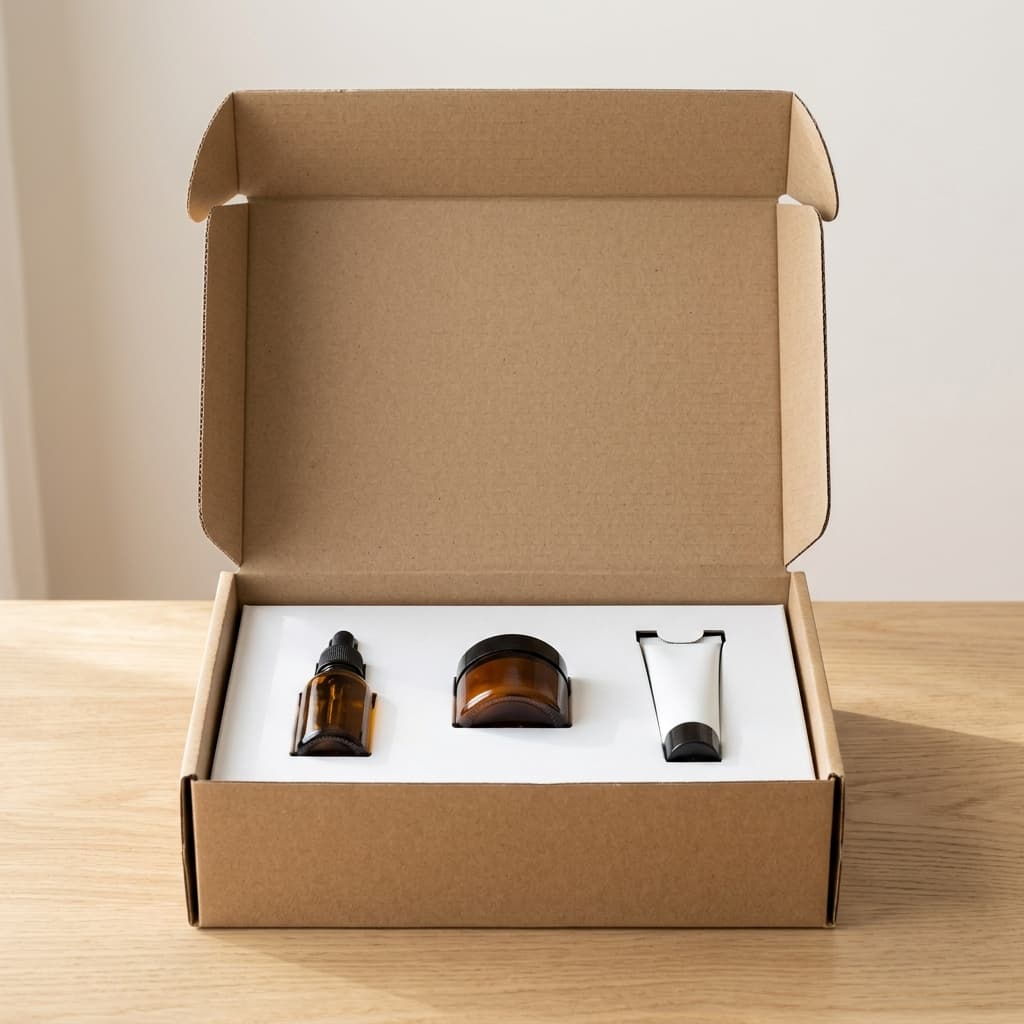
Inserts
Fitted inserts that hold a product still, so it arrives as it was packed.
Explore box style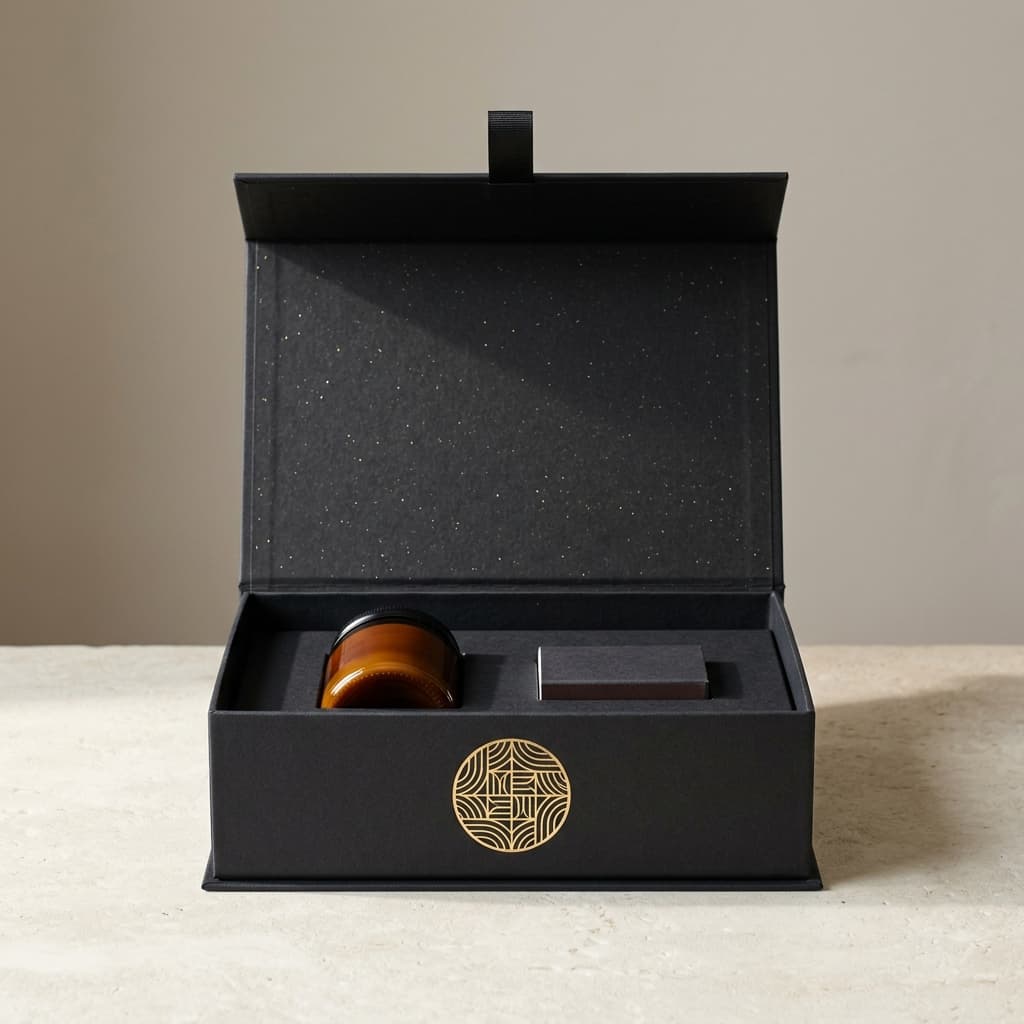
Magnetic Boxes
Rigid boxes with a hidden magnet in the lid, for a deliberate first open.
Explore box styleQuestions about chocolate boxes.
Box style FAQsWe’ll confirm the exact details that apply to your structure and volume.
Read all frequently asked questionsCan you print a menu card for a chocolate box?+
Yes. We print a menu card that maps each cavity to a flavour, usually with a small drawing of each piece and its allergens. It can go on the inside of the lid or on a loose card that sits on the pad. Tell us the filling order and what the card must include, and we match it to the tray exactly on the proof.
Can a chocolate box be sealed?+
Yes. A sealing label across the lid shows the box has not been opened, and it opens neatly, which suits gifts. We can print the seal with your logo to match the box. A clear overwrap is another option and also slows the pick-up of smells from the shelf or store room.
Are chocolate boxes recyclable?+
Yes, when they are built from paper. We can make a folding carton with a card tray, which is all board and goes in with paper recycling. A rigid box wrapped in paper is mostly board too, though a magnet or ribbon needs removing first. If recycling matters to your buyers, tell us at the start, as the tray material sets the cavity layout.
Can a chocolate box hold two layers?+
Yes. We make two-layer boxes with a stiff divider card between two trays, and the depth roughly doubles. The upper tray rests on the divider, not on the pieces below, so the bottom layer stays unmarked. We recommend the firmest pieces on the lower tray, and each layer can have its own menu card. See our inserts for tray options.
What is the difference between a chocolate box and a ballotin?+
A ballotin is a tapered carton, often with a flap lid, filled by weight with pralines placed loosely in rows or layers. A chocolate box with a cavity tray holds a fixed count, each piece in its own seat. We recommend a ballotin for quick filling at a counter and mixed orders, and a tray box for gifts, where presentation matters most.
Start with a free recommendation
Get pricing