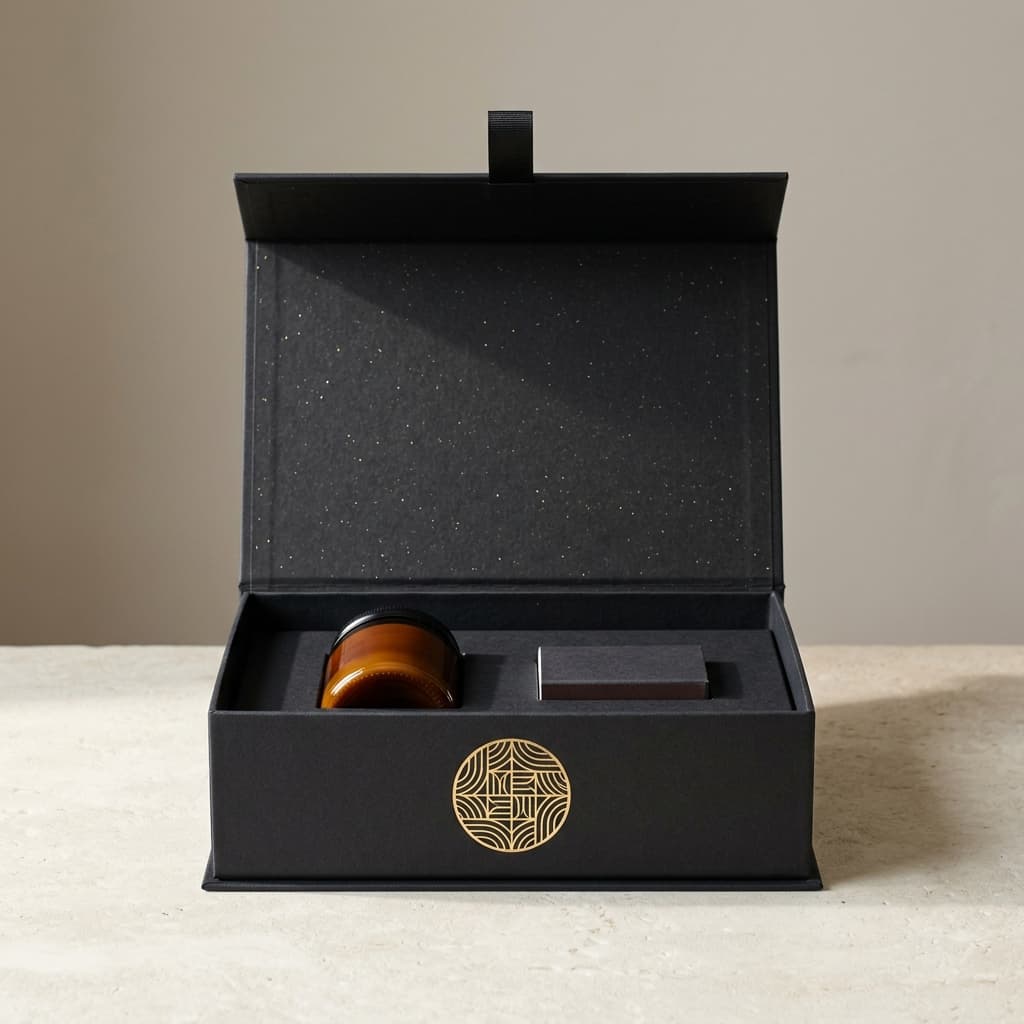
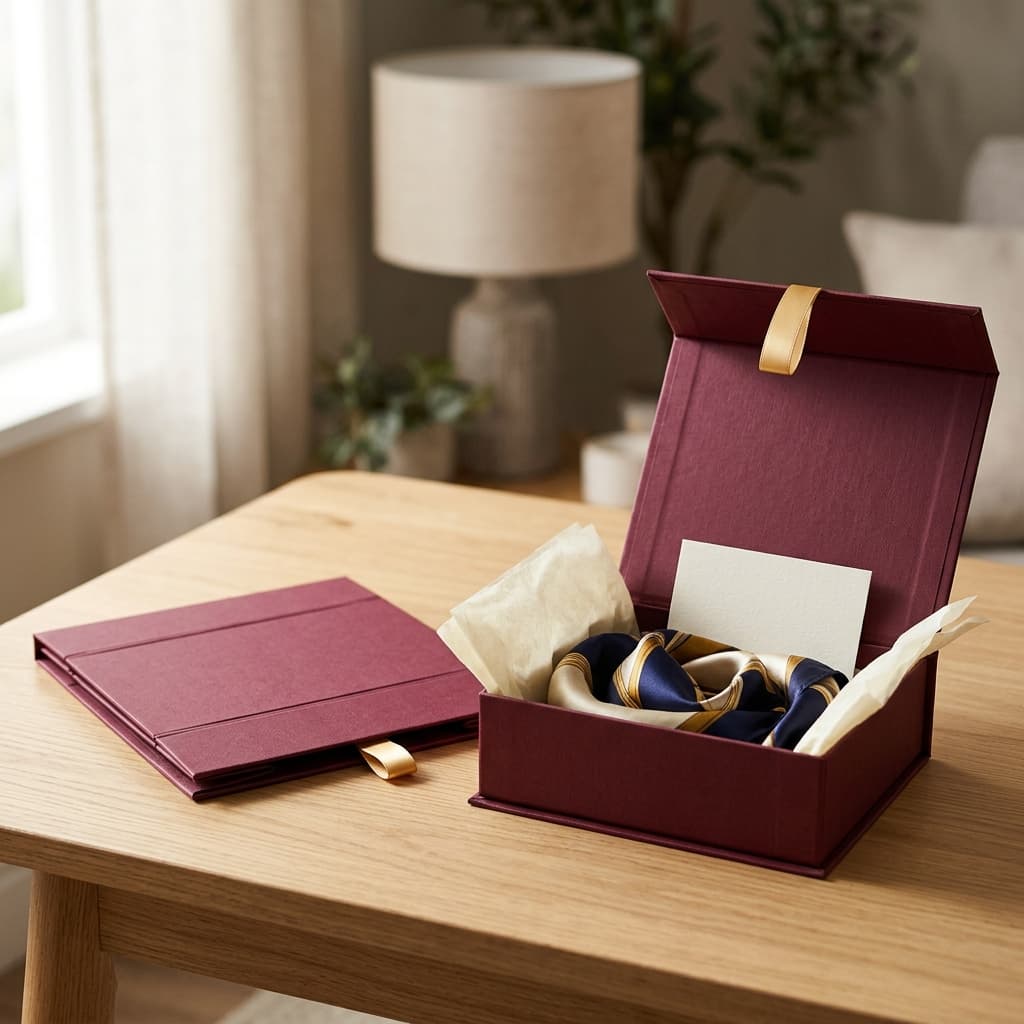
What is a rigid box?
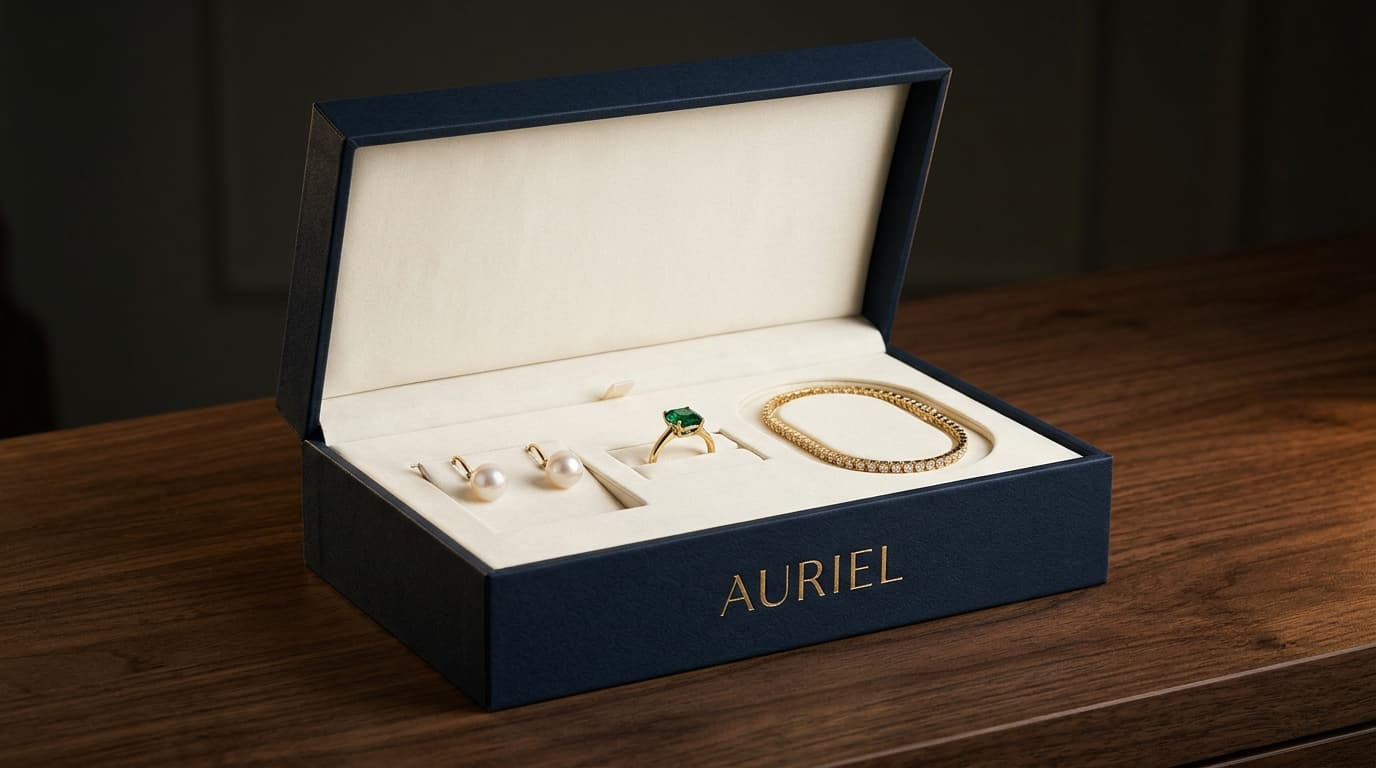
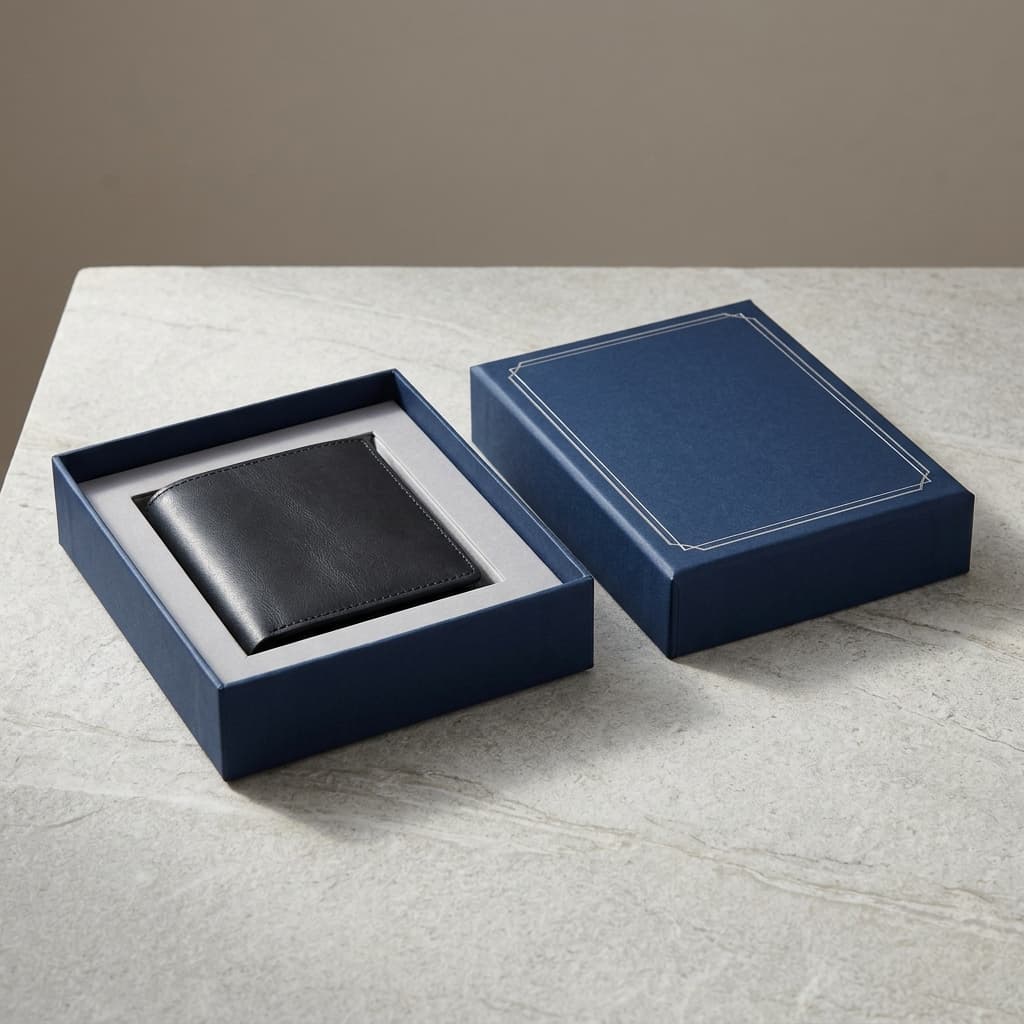
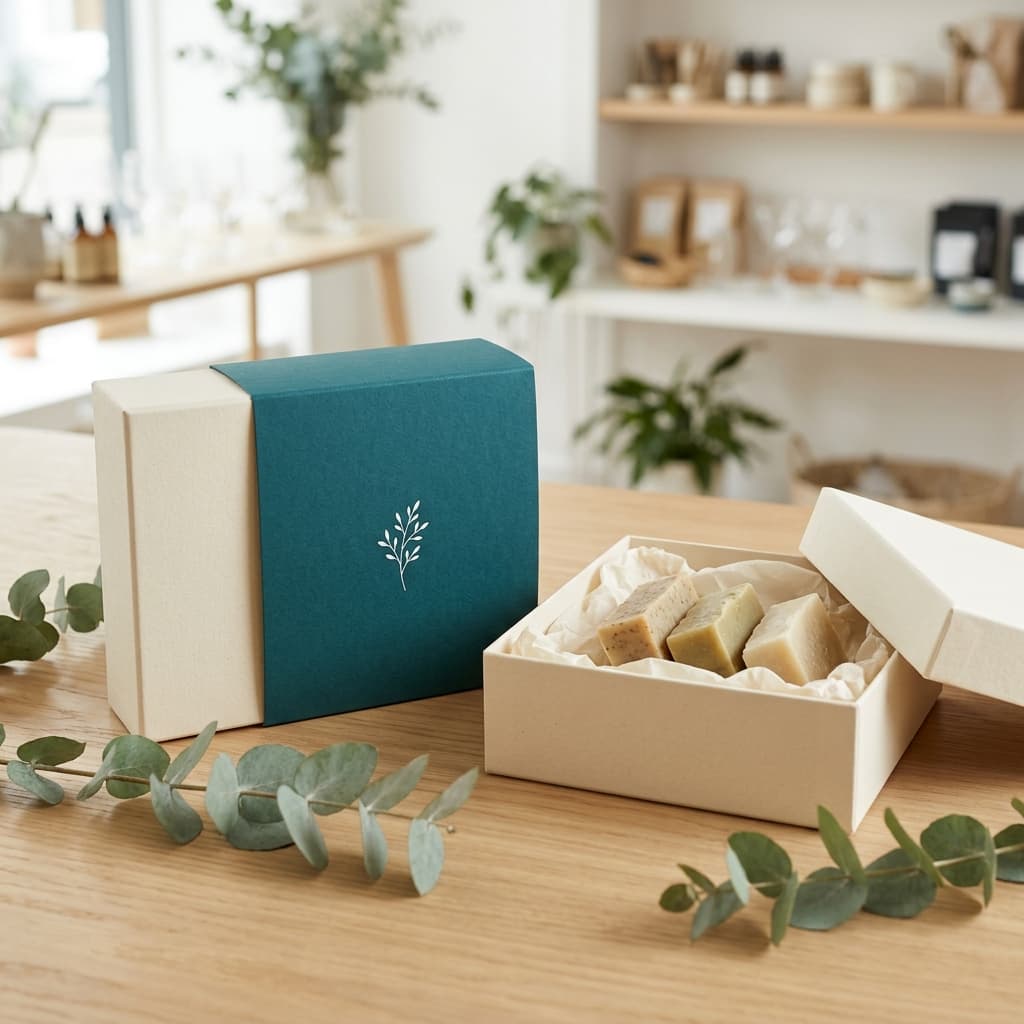
A rigid box, also called a set-up box, is made from thick, dense board wrapped in paper, and it holds its shape whether it is full or empty.
We build the core from chipboard or greyboard, much thicker than the paperboard used for folding cartons. The board is cut, the corners are formed, and a printed or specialty paper is wrapped over the outside and folded into the inside edges. The result is a box with clean, sharp edges and walls that do not flex when you press them.
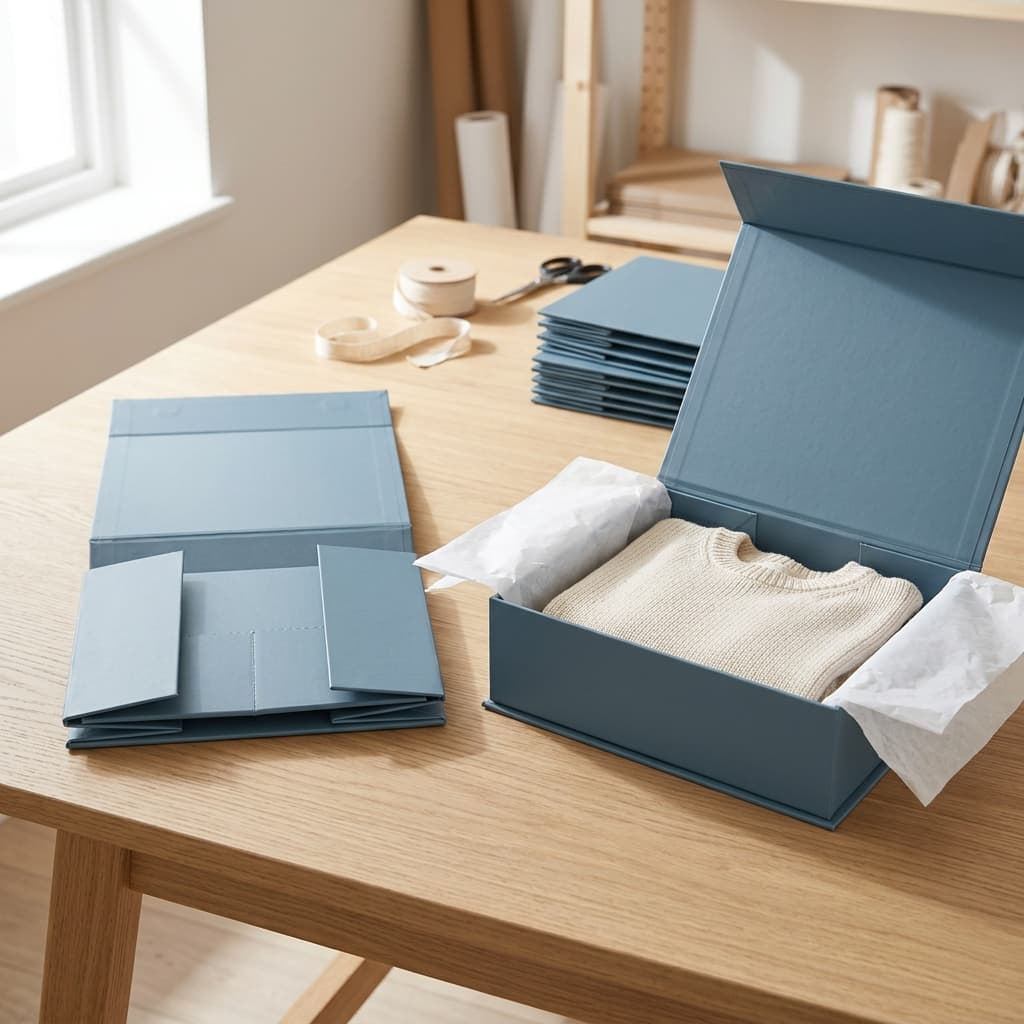
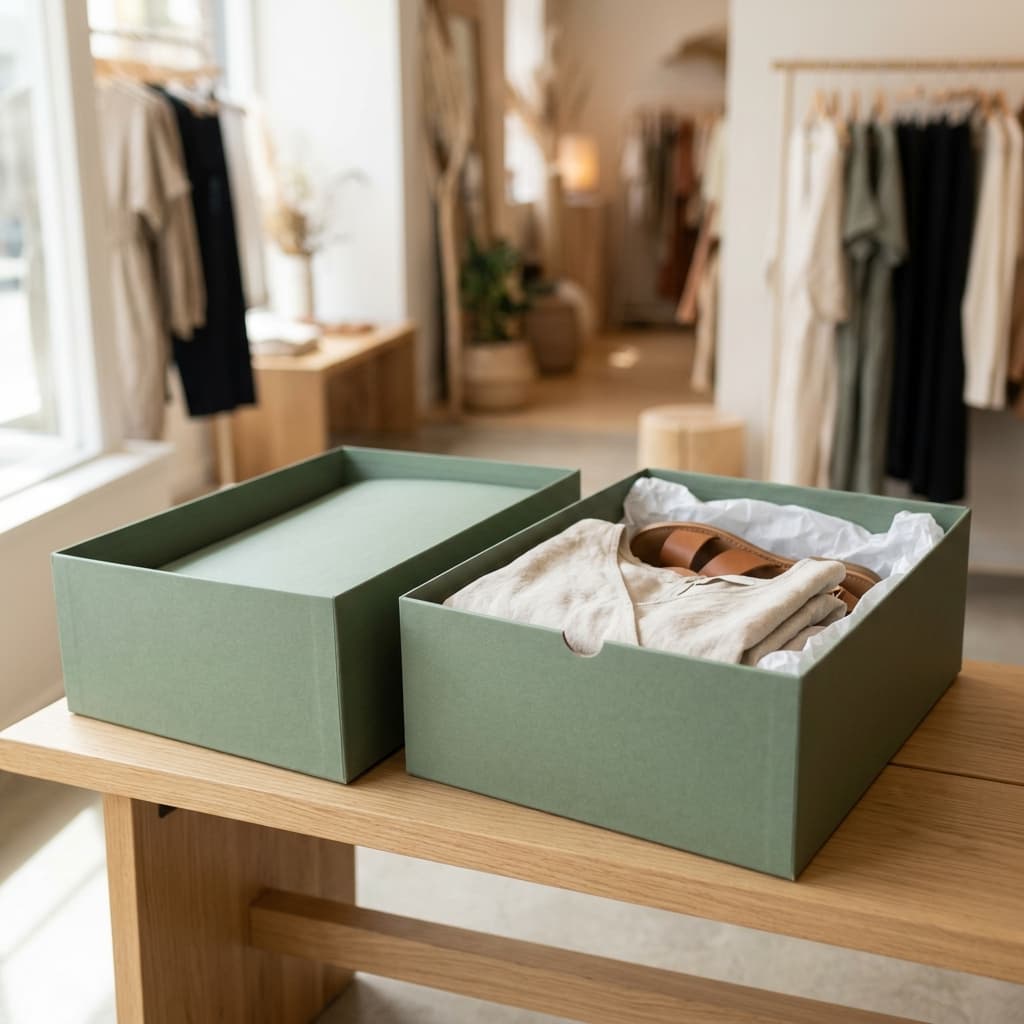
Unlike a folding carton, a standard rigid box arrives already built, which is why it feels so solid in the hand. If storage space matters, we also make collapsible rigid boxes that arrive flat. Your customers tend to keep rigid boxes after the product is used, so the box keeps showing your brand long after the sale.
- Thick board core with a wrapped paper surface
- Arrives assembled, or flat in a collapsible style
- Holds its shape in normal handling
- Often kept and reused by your customer
Which rigid box style should I choose?
Choose the style by how you want the box to open: lift a lid, swing a flap, slide out a tray, or fold flat until it is needed.
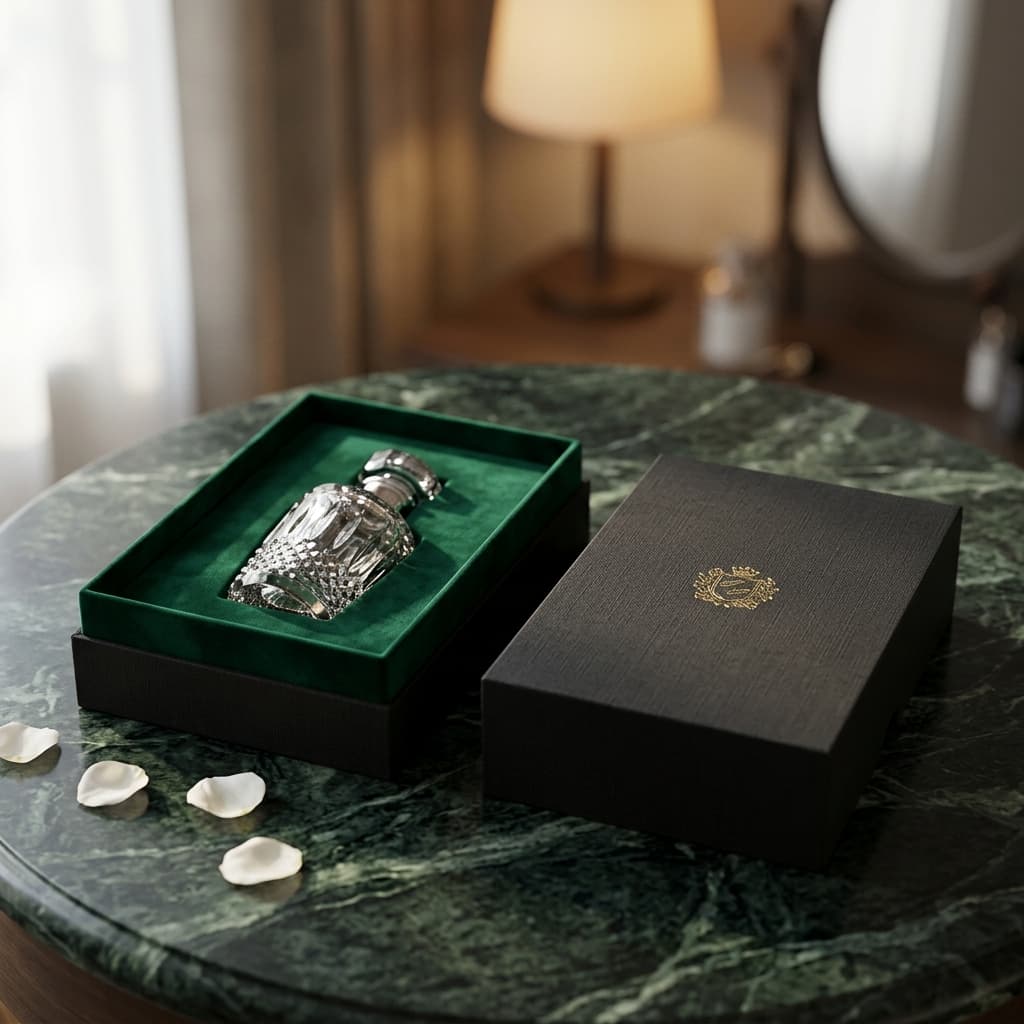
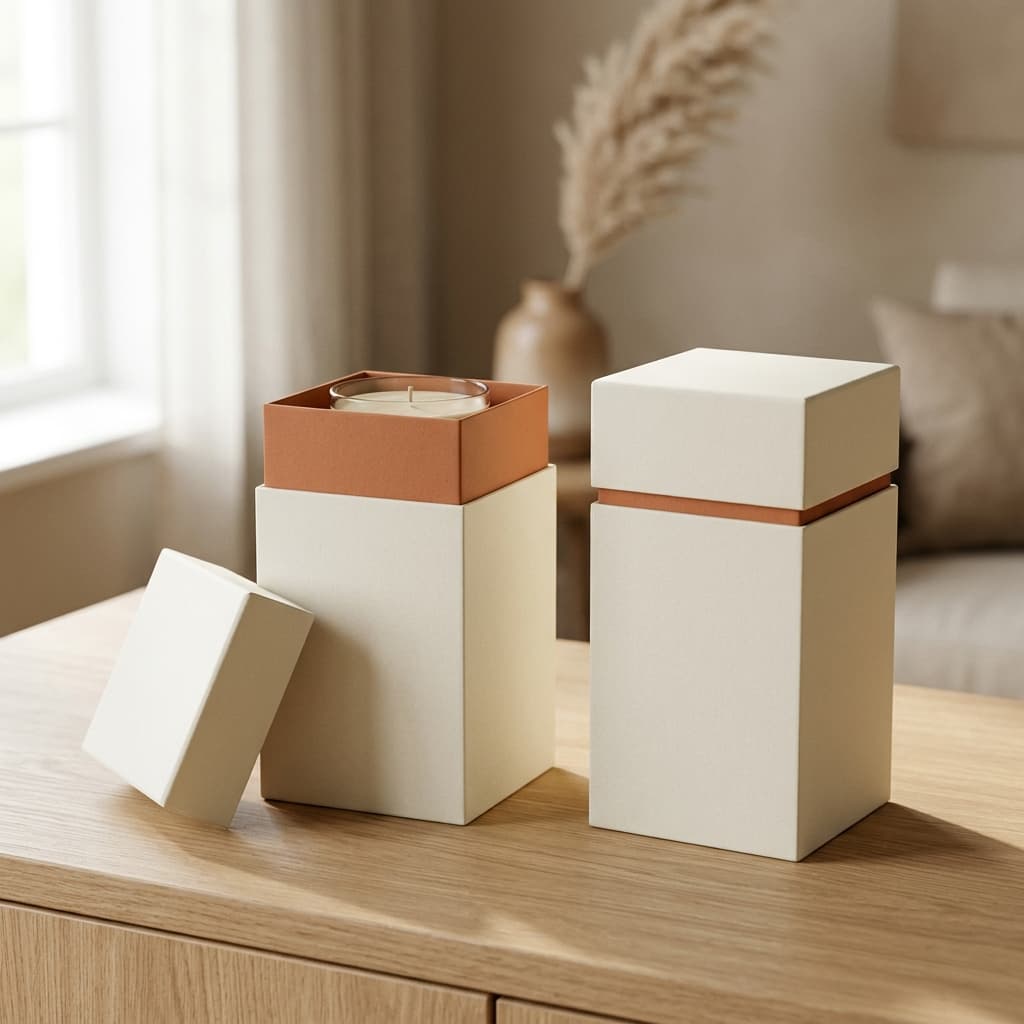
Lid-based styles are the most familiar. Our two-piece rigid box has a separate lid and base and is the simplest and most adaptable format. A shoulder box adds a raised neck between lid and base, so the lid sits flush and lifts slowly, which gives a more ceremonial opening. A premium rigid box takes either build further with heavier board, specialty papers and more detailed finishing.
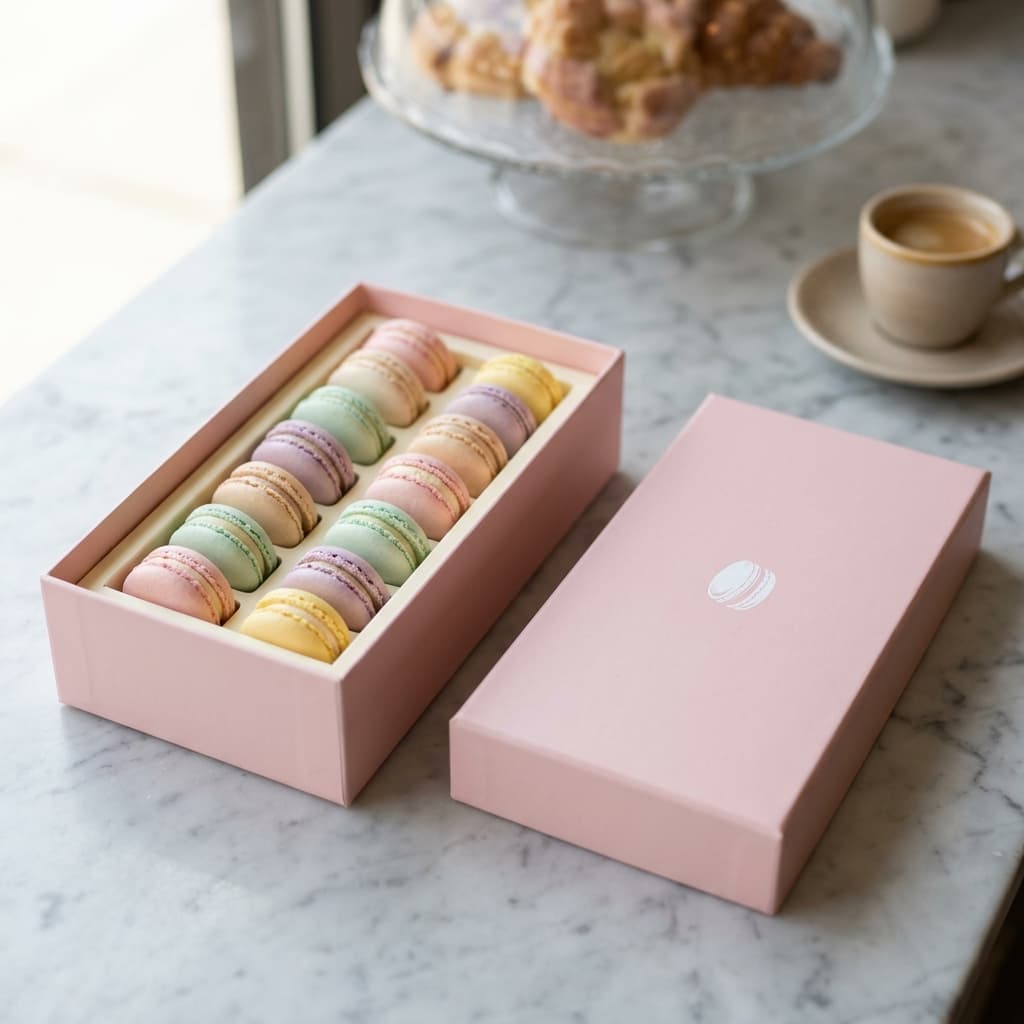
Other styles change the movement. Magnetic closure boxes and book-style boxes open on a hinge like a cover. Drawer boxes and rigid sleeve boxes slide a tray out of an outer shell. Collapsible rigid boxes, including ribbon pull collapsible boxes, ship and store flat and are set up at packing. Rigid mailer boxes bring the rigid build to a tuck-front mailer shape, and rigid bakery boxes adapt it for cakes and sweets. Tell us what goes inside and how you want it opened, and we recommend the style.
- Lift a lid: two-piece, shoulder and premium rigid boxes
- Swing a flap: magnetic closure and book-style boxes
- Slide a tray: drawer and rigid sleeve boxes
- Fold flat: collapsible and ribbon pull collapsible boxes
Magnetic, book-style or drawer: how do they compare?
Magnetic and book-style boxes open on a hinge and stay attached to the base, while a drawer box separates into a sleeve and a tray that slide apart.
Our magnetic closure boxes have a flap that wraps over the front and is held shut by magnets set under the wrap paper. The box closes with a soft click, reopens many times and keeps the lid attached so nothing gets lost. That makes it a popular choice for gift sets, electronics accessories and anything your customer will open again and again. A book-style box opens the same way but reads like a book on a shelf, with a spine that suits printed titles and collections.
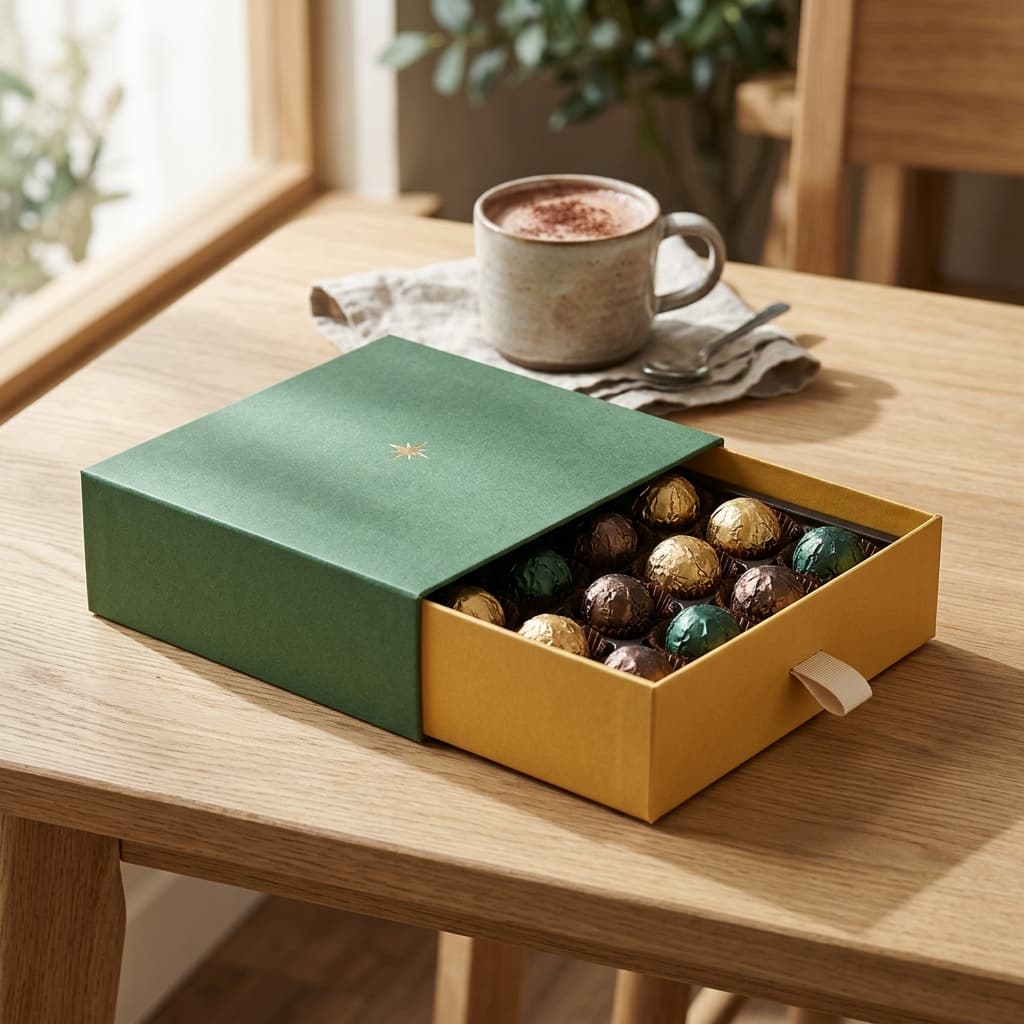
A drawer box suits products that look best revealed in stages, such as jewellery, cards or small sets, and the outer sleeve gives you a second printed surface. We size the sleeve and tray to each other so the tray slides smoothly and stays put when the box is carried, and we can add a ribbon pull or a thumb notch so it draws out easily.
How do wrap papers and finishes change a rigid box?
The wrap is the surface your customer touches, so we start with the paper that sets the feel, then build print and finishing on top of it.
There are two broad routes. Printed art paper takes full-colour artwork, and we laminate it in matte, gloss or soft-touch to protect it. Specialty papers, such as textured, uncoated, linen-finish or coloured stocks, carry their colour in the paper itself, and we usually decorate them with foil or blind embossing rather than heavy print. Leatherette and fabric-effect papers sit at the more tactile end.
We help you choose for wear as well as looks. Lamination keeps colour fresh on the edges and corners, where the paper wraps tightest, and lighter or patterned designs stay looking new through handling. When we set your artwork, we keep fine type and thin lines back from the edges so they read cleanly on the finished box. We recommend saving foil, embossing or spot UV for one focal element, such as your logo, so it stands out. Your digital proof shows where every finish sits.
- Printed art paper suits full-colour artwork
- Specialty papers carry colour and texture in the stock
- Lamination keeps edges and corners looking fresh
- One focal finish reads better than many
What insert should go inside a rigid box?
We choose the insert by what your product needs to stay still, and make it feel as considered as the box around it.
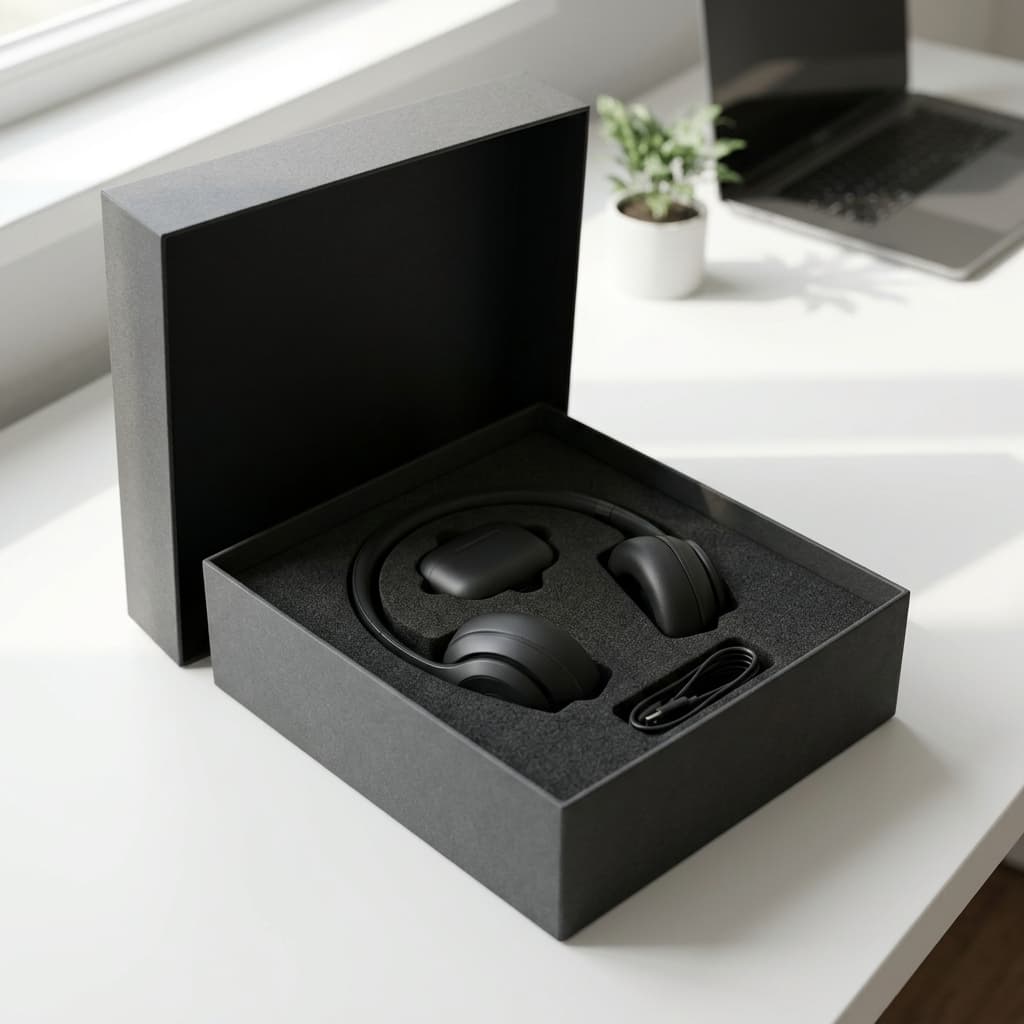
We make wrapped board platforms with cut-outs, foam inserts for heavy or delicate items, and die-cut paperboard for lighter sets. Foam can be covered to match the box, and a board insert can be wrapped in the same paper as the outside so it looks like part of the box.
We design the insert and the box together. The insert's thickness and the depth of each cavity decide the inside dimensions, so planning both at once gives a snug fit and a lid that closes cleanly. For sets with several pieces, we leave a finger space or a ribbon lift beside each one so it lifts out without tipping the box. Send us your product's measurements and we show the layout on the dieline and the digital proof before production.
Can rigid boxes be shipped by courier?
Yes. We recommend sending a rigid box inside a shipping box, so it reaches your customer looking exactly as it left you.
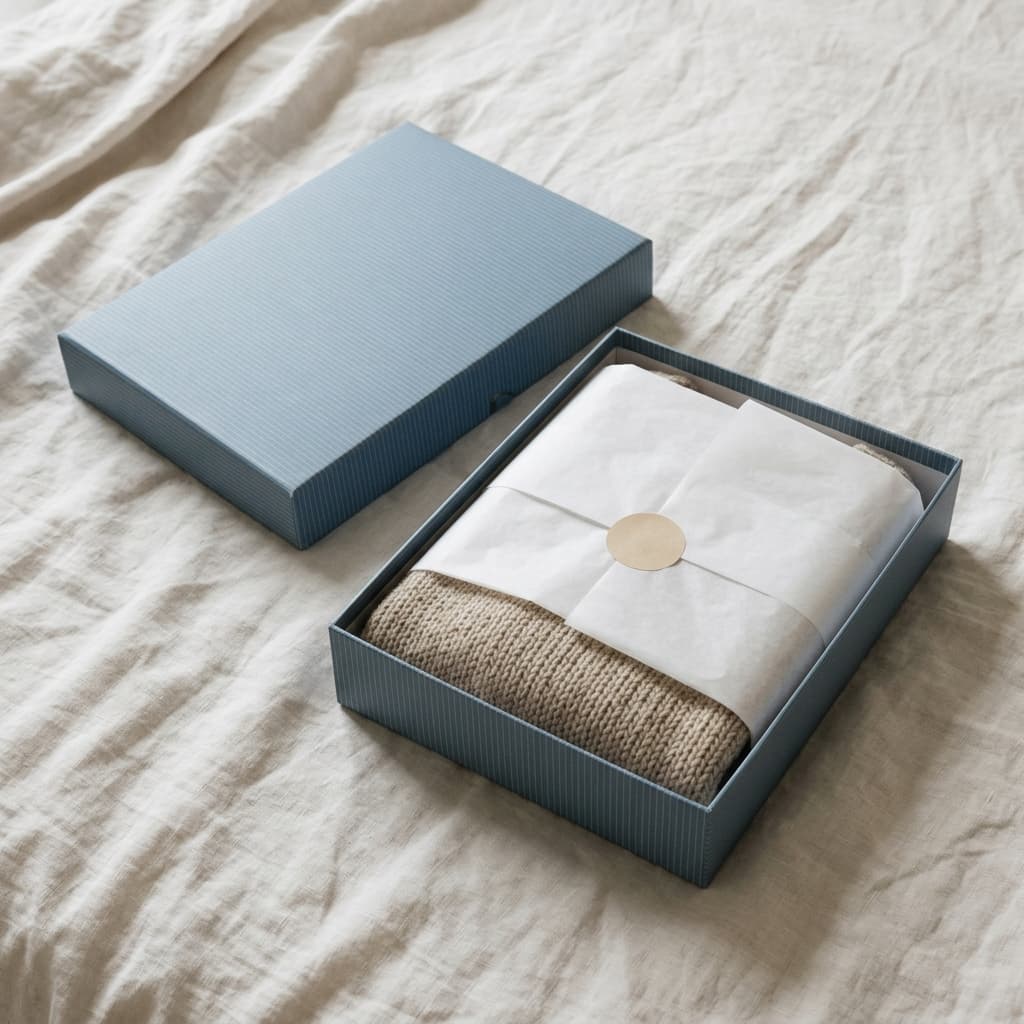
The rigid box presents and protects the product; the shipping box keeps the rigid box itself pristine. We can make a shipping box sized to fit your rigid box with a little space on every side for paper fill or corrugated pads, so it cannot slide around. Wrapping the rigid box in tissue inside the outer keeps the surface clean, which is worth doing for dark and soft-touch finishes.
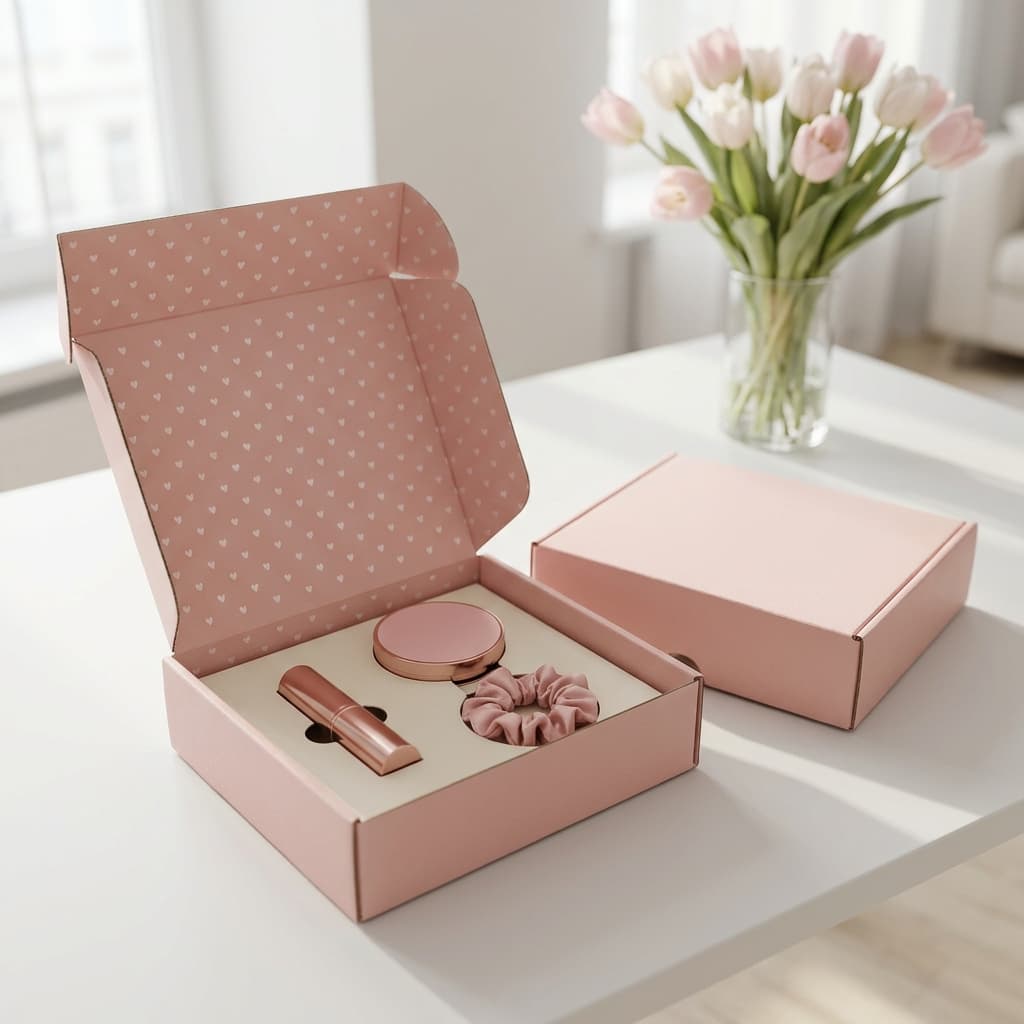
For lighter goods going straight to the customer, our rigid mailer boxes are built to travel on their own. For wholesale and retail deliveries, we recommend packing rigid boxes in multiples into shipping boxes with layer pads between them, so the finished surfaces stay apart on the way.
- Send rigid boxes inside a sized shipping box
- Leave space for paper fill on every side
- Tissue keeps dark and soft-touch finishes clean
- Rigid mailer boxes can travel on their own
Do collapsible rigid boxes save storage space?
Yes. A collapsible rigid box arrives flat and stays flat in storage, then sets up at packing into a box that looks and feels close to a fixed rigid box.
A standard rigid box takes the same space empty as it does full, so a few hundred of them can fill a stockroom. Our collapsible styles are hinged so the walls fold down, and they lock into shape with magnets or a ribbon pull. Stored flat, they take a fraction of the space and cost less to bring into your warehouse.
Setting one up takes a moment at packing, and once it is up it holds its shape like any rigid box. They are a strong choice for brands that hold stock for months, run seasonal gift programmes or pack in a small space. If you pack in high volumes and want boxes ready to fill straight away, we recommend a pre-assembled style instead. Tell us how you store and pack, and we recommend the one that fits.
When is a rigid box worth choosing?
A rigid box is worth it when the box is kept, gifted or seen as part of what your customer paid for.
Rigid boxes use more board, more paper and more hand work than folding cartons or mailers, and that shows in how they feel. It pays off for jewellery, watches, fragrance, premium tech accessories, corporate gifts, launch kits and limited editions, where the box shapes how the product is valued and is often kept long after.
Where the box is opened and recycled straight away, or the product sells at an everyday price, we usually recommend a well-printed folding carton or mailer box with a finish such as foil on the lid, which gives much of the effect. Many of our customers take a middle path: a rigid box for the hero product or gift edition, and lighter formats for the rest of the range. Tell us about your range and we suggest where rigid makes the biggest difference.
- Best when the box is kept or gifted
- Suits premium, gift and limited-edition products
- Folding cartons and mailers suit everyday products
- Rigid for the hero product, lighter formats for the rest