

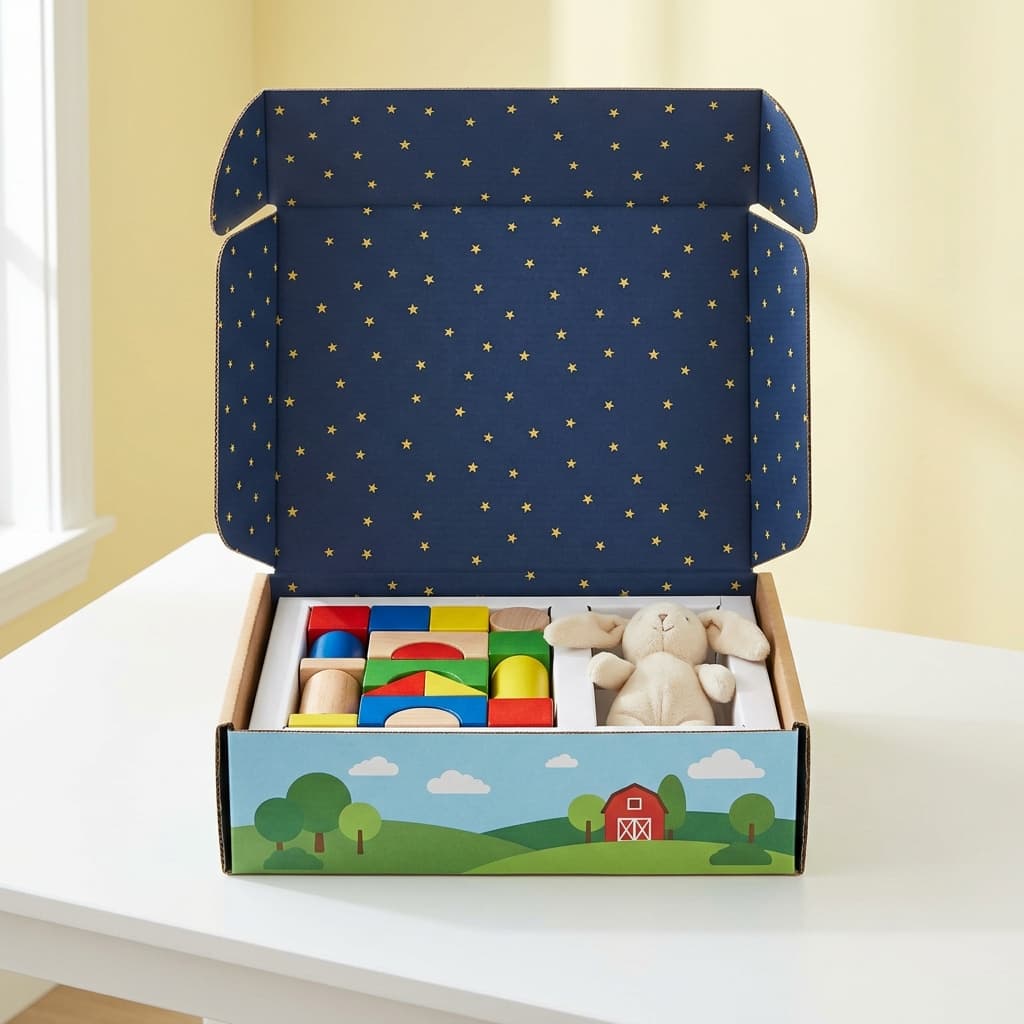
 Made to your size
- 100 boxes
- Custom sizes & styles
- Free dieline support
- Quality print options
- Proof before production
- 8–12 business day production
Self-locking corrugated mailers from 100 units, sized around your product so it ships without rattling or excess void fill. Choose E-flute for slim retail items or B-flute for heavier goods, print inside and out for the unboxing, and add a tear strip for easy opening. Production runs 8–12 business days after you approve the proof.
Ecommerce favorite
Custom Mailer Boxes
✓Clear proofing before productionSee our process
Get a free quote
Tell us what you are packing and we’ll reply with practical options.
Product features
Built around the jobInside and outside print
Low-profile shipping
Tear-strip options
E-flute or B-flute board
Peel-and-seal adhesive strip
Letterbox-friendly depths
Plain shipping label zone
Specifications made for your product.
Technical snapshotEvery final specification is confirmed against product weight, packing method, print coverage, route, and order volume.
View artwork preparation guide- SKU
- bm-1001
- Dimensions
- Custom-made around the product and packing workflow
- Materials
- E-flute corrugated, B-flute corrugated, Recycled kraft
- Printing
- CMYK, Pantone, white ink, or unprinted
- Finishes
- Matte, gloss, soft-touch, foil, embossing, spot UV
- Quantities
- Starting at 100 on selected configurations
- Proofing
- Dieline and digital proof
Make the unboxing yours.
Artwork and materialsA mailer prints flat, so the outside lid, the walls and the inside all carry artwork in one pass. What matters most is the reveal your customer sees when the lid lifts. Our packaging guides cover sizing, materials, print, and cost in more depth.
Outside, inside and label zone
We set your artwork on the flat mailer dieline, outside and inside, with bleed past every fold. We mark a plain zone for the courier label and keep logos clear of the tuck edge and tear strip.
Explore print and finishesCorrugated and kraft finishes
White corrugated gives the brightest colour, while recycled kraft turns every ink warmer and darker. We advise when a white underprint keeps a brand colour true, and keep fine detail bold enough for the fluted board.
Explore material decisionsChoose your box
Tell us the product, its measurements and how it ships, so the mailer is sized around the order.
Request a quote
We recommend the board, print sides and any tear strip or seal, and explain each choice.
Finalize the order
Confirm the size, board, inside and outside print, extras and the delivery address.
Build the dieline
We draw the mailer around your product, with the tuck front, label zone and any tear strip placed.
Approve the proof
Check your artwork on every panel, inside and out, and how it meets across the folds.
Roll on production
Your mailers are printed, die cut, checked and packed flat in outer cartons for delivery.
Best for
SubscriptionsApparelGift setsEcommerce launchesWhat changes the price.
Cost factorsEvery project is quoted individually. These are the choices that move the price on almost every order.
- Quantity
- Set-up work is the same whether we make 100 boxes or 5,000, so the price per box falls as quantity rises.
- Board grade
- E-flute is thinner and lighter. B-flute is thicker for heavier goods and costs more per box.
- Size
- A larger mailer uses more board and costs more to ship, so sizing it around the product saves on both.
- Print coverage
- Printing the outside only costs less than printing inside and out.
- Extras
- Tear strips, inserts and other added features each add a production step.
Buyer guidance
Choosing this format
How a mailer folds from one blank
One flat blank, die cut so the walls roll up and the lid tucks into the front. No glue, no tape.
The shape is called a roll end tuck front, and it is what almost every custom mailer uses. It assembles in seconds and holds itself shut without a sealing step.
Because it comes from a single blank, tooling is one cutting die and the box ships flat, so storage and inbound freight cost far less than a rigid box of the same size.
E-flute or B-flute?
E-flute prints better and costs less. B-flute cushions more. Pick on contents, not on price.
E-flute is around 1.5mm thick, creases cleanly and suits slim, light contents: apparel, cosmetics, books, accessories.
B-flute is closer to 3mm and resists crushing, which matters for heavier or more fragile goods. It also takes more storage space and shows more washboarding under solid ink. Tell us what goes inside and we suggest the flute to match.
- E-flute: about 1.5mm, sharper print, less bulk
- B-flute: about 3mm, better protection, more storage
Why the right size saves twice
An oversized box is paid for twice: once in board, and again on every parcel you ship.
Carriers bill on dimensional weight as well as actual weight. The parcel's volume converts to a billed weight, and whichever figure is higher is the one charged, so empty space costs money on every shipment.
A box sized with 5-10mm of clearance around the product needs less void fill and moves less in transit. Our guide to reducing packaging costs works through the arithmetic.
Mailer box or shipping box?
A mailer is made to be opened by a customer. A shipper is made to survive a warehouse.
Mailers are printed inside and out and sized around one product or order profile. Shipping cartons have flaps that meet in the middle, get taped shut, and are usually plain or one colour.
The shipper is cheaper per unit and better for heavy, mixed or bulk contents. Plenty of brands use both: mailers for customer orders, shippers for wholesale and restocking.
Printing inside and out
Inside print costs less than most people expect, because it happens in the same pass as the outside.
The blank is printed flat, so a single colour or a simple pattern on the inside reads as deliberate without paying for full coverage.
Kraft board changes colours. Inks sit on a brown base, so everything reads darker and less saturated, and pale tones disappear. Where a brand colour has to be exact on kraft, a white underprint is the usual answer, and it has to be specified before proofing.
Mailer box or shipping box?
A mailer is the right pick for light, regular orders. A double-wall shipping box is the right pick once the contents are dense enough to crush a tuck front or burst the corners.
Weight is the honest limit of a single-wall mailer. Anything substantial travels better in a double-wall shipping box with an insert. Send us the weight of your heaviest order and we tell you which of the two it needs.
Mailers are also a poor fit for long, thin products, and for orders whose contents change constantly. A fixed size only saves money while the contents stay roughly the same.
Related packaging formats
Compare your options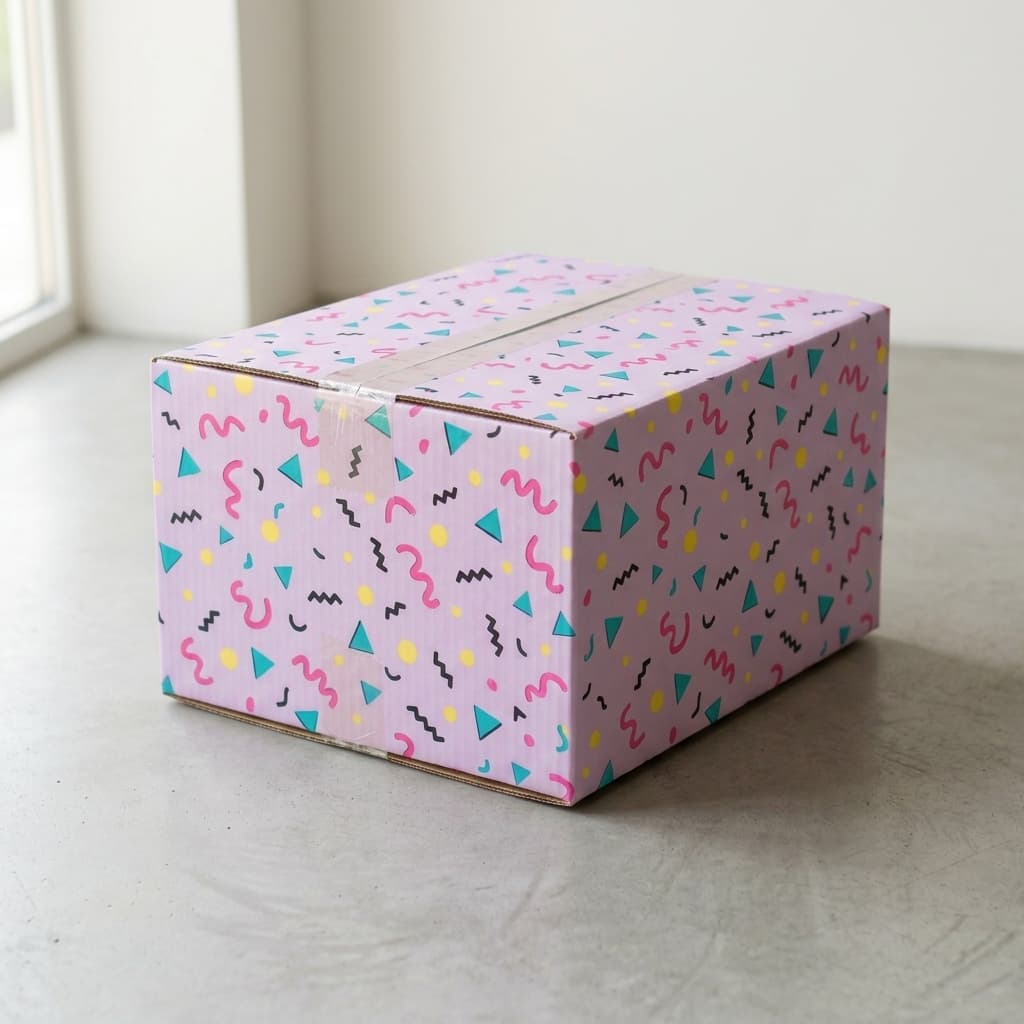
Shipping Boxes
Right-sized corrugated shipping boxes made for protection and efficient transit.
Explore box style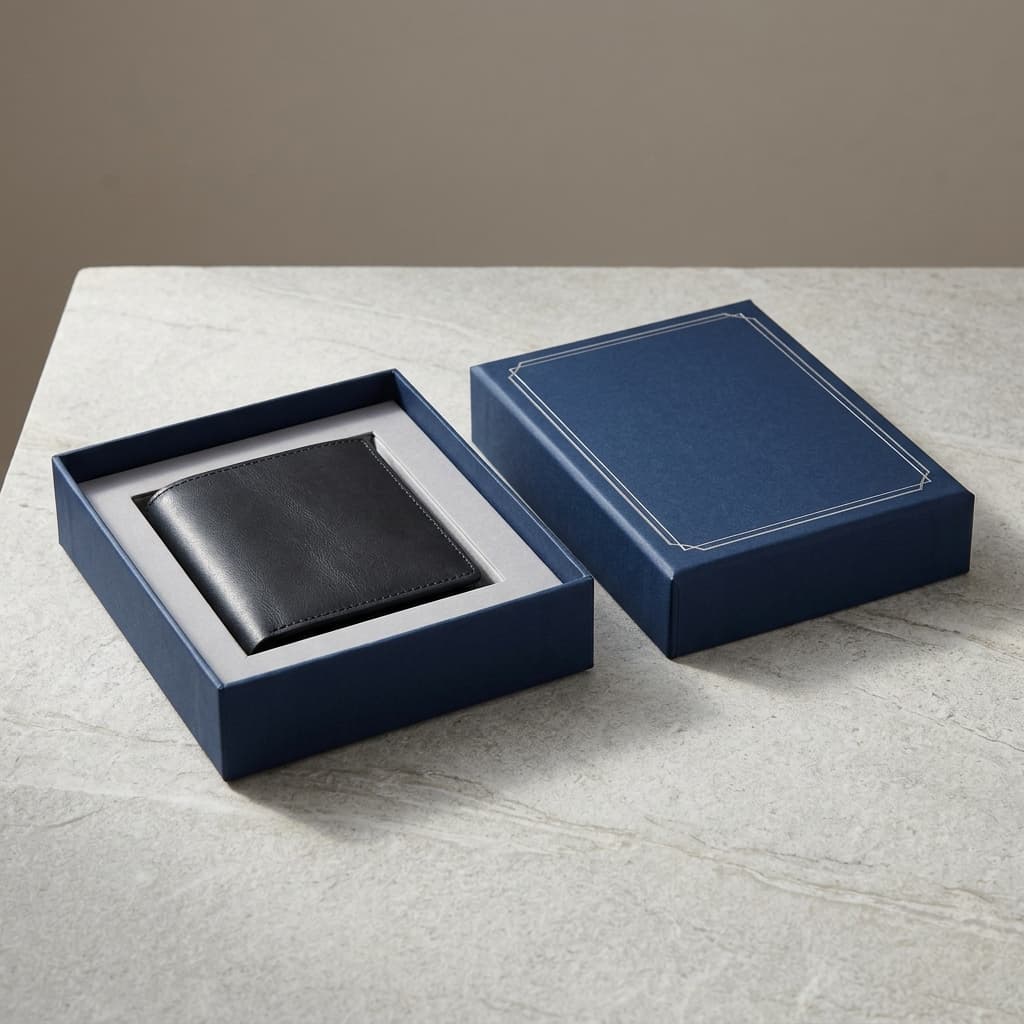
Rigid Boxes
Luxury two-piece and magnetic boxes with a substantial, keepsake feel.
Explore box style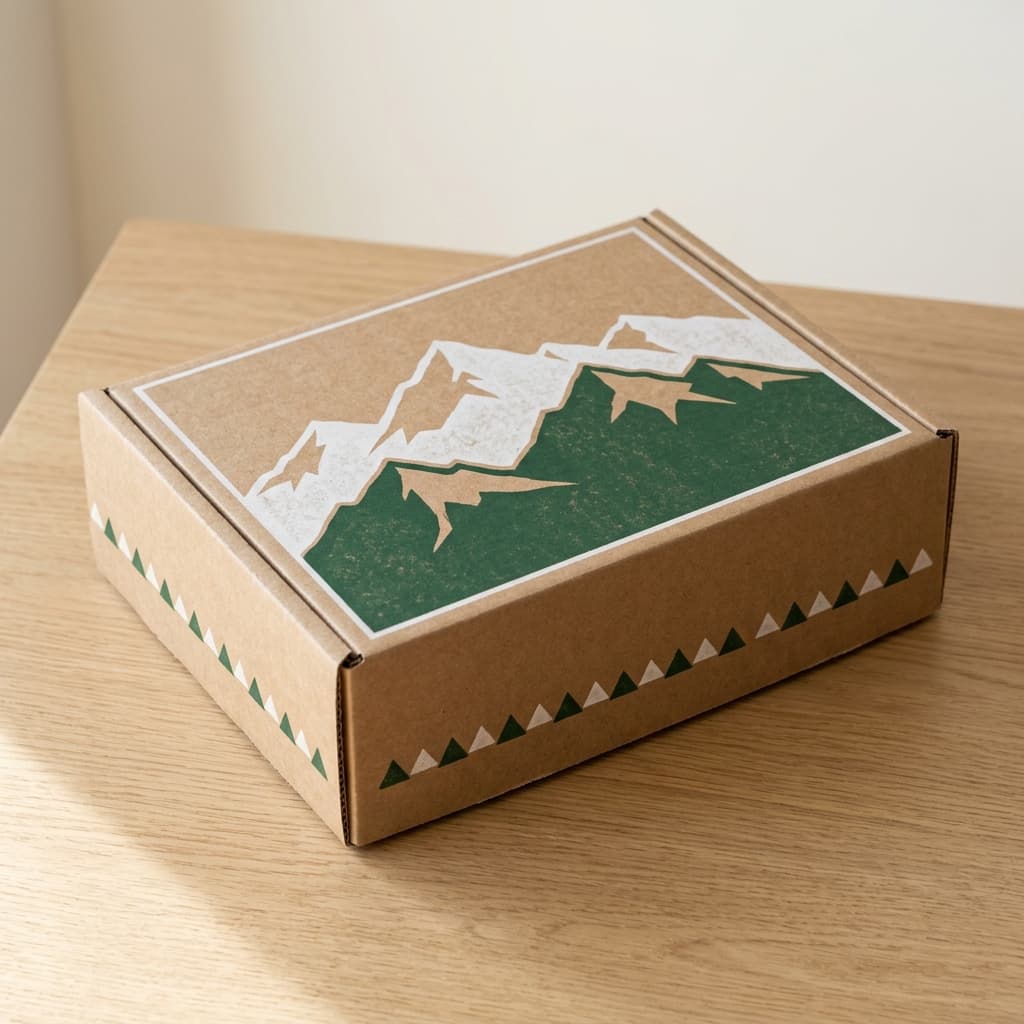
Kraft Packaging
Warm, honest kraft packaging with recycled content and modern print.
Explore box styleQuestions about mailer boxes.
Box style FAQsWe’ll confirm the exact details that apply to your structure and volume.
Read all frequently asked questionsDoes a mailer box stay shut in the post without tape?+
Yes. Our mailer boxes close with a tuck front and locking ears, so the lid holds shut on its own and packing stays quick. If you want a visible seal as well, we can add a peel-and-seal adhesive strip, or you can finish the box with a printed seal sticker that shows your customer it has not been opened on the way.
Can a mailer box be made to fit through a letterbox?+
Yes. We can make a slim mailer in thin E-flute board, sized to go through a letterbox. The depth is what decides it, so tell us the depth you need to stay under and the measurements of your product, and we size the box so its packed depth, not just the empty box, stays inside it.
Can you leave space for a shipping label on a printed mailer?+
Yes. When we draw your dieline, we mark a plain label zone on the lid, sized to the label your courier prints and kept clear of the tuck edge and any tear strip. That way the shipping label never covers your logo or artwork, and the barcode sits on a clean area where it scans first time.
How should flat mailer boxes be stored before packing?+
We deliver mailers flat in outer cartons, so they take up little room. Keep them flat, dry and off the floor until you need them, away from outside walls and heaters, because corrugated board takes in moisture from damp air. Stored like that, they fold up square and the tuck locks cleanly every time. Use older stock first.
Start with a free recommendation
Get pricing