

 Made to your size
- 100 boxes
- Custom sizes & styles
- Free dieline support
- Quality print options
- Proof before production
- 8–12 business day production
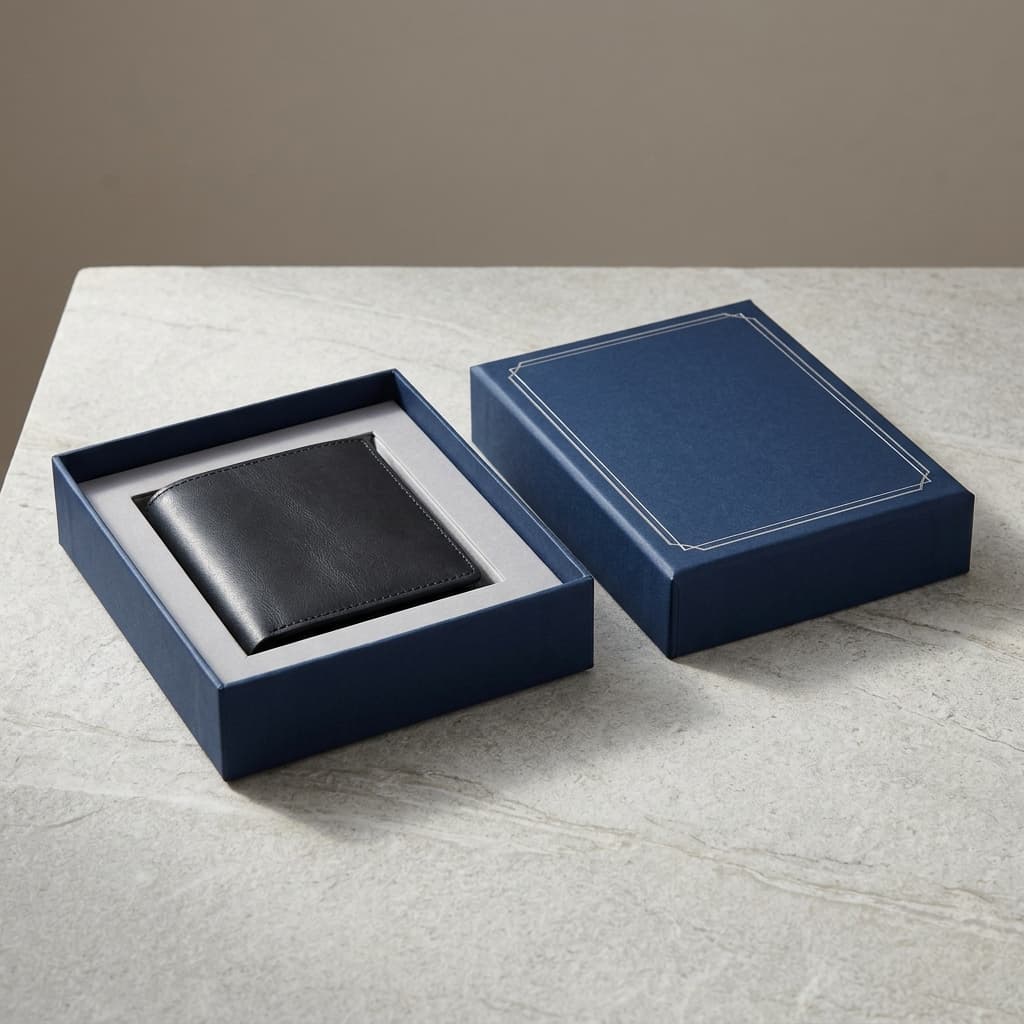
Make the first touch feel as considered as the product inside. Our rigid boxes combine dense board, wrapped papers, refined finishes, and optional fitted inserts for elevated presentation.
Premium presentation
Rigid Gift Boxes
✓Clear proofing before productionSee our process
Get a free quote
Tell us what you are packing and we’ll reply with practical options.
Product features
Built around the jobCustom inserts
Soft-touch finishes
Foil and embossing
Lift-off, shoulder or drawer lids
Printed inside lining
Thick greyboard core
Collapsible build option
Specifications made for your product.
Technical snapshotEvery final specification is confirmed against product weight, packing method, print coverage, route, and order volume.
View artwork preparation guide- SKU
- bm-1003
- Dimensions
- Custom-made around the product and packing workflow
- Materials
- Wrapped rigid board, Textured paper
- Printing
- CMYK, Pantone, white ink, or unprinted
- Finishes
- Matte, gloss, soft-touch, foil, embossing, spot UV
- Quantities
- Starting at 100 on selected configurations
- Proofing
- Dieline and digital proof
A gift box with a lasting finish.
Artwork and materialsOn a rigid box your artwork sits on the wrap paper around the lid and base, and on the lining inside. The wrap and its finish set the first impression. Our packaging guides cover sizing, materials, print, and cost in more depth.
Wrap, lid and inside lining
We set your design on the wrap dieline for the lid and the base, carrying it into the turn-in allowance so no edge shows white. The inside lining can carry its own colour, pattern or message.
Explore print and finishesTextured paper and special finishes
Coated papers hold sharp print and crisp foil, while textured papers give a softer, tactile feel. Soft-touch, foil and embossing are applied to the wrap before it goes on, so we match each finish to the paper.
Explore material decisionsChoose your box
Tell us what goes inside, its size and weight, and how the box should open.
Request a quote
We recommend the lid style, wrap paper, finishes and any fitted insert for your product.
Finalize the order
Confirm the lid style, wrap, lining, finishes, insert and quantity before we start drawing.
Build the dieline
We draw the lid, base and wrap around your product, with any insert cavity in place.
Approve the proof
Check the wrap artwork on the lid and base, the lining and every finish area.
Roll on production
Your boxes are wrapped and formed by hand, checked for fit and finish, and carefully packed.
Best for
JewelryTech accessoriesCorporate giftingLuxury goodsBuyer guidance
Choosing this format
Greyboard, wrap and a hand-formed lid
Stiff board is cut, grooved and wrapped in printed paper, then formed by hand into a separate lid and base.
The core is dense greyboard, usually 1.5 to 3mm thick. It is cut to size, grooved at the corners and covered with paper that folds over the edges and into the inside, so nothing is printed on the board itself.
Lid and base are made as two pieces and each is wrapped on its own. The inside is then lined with a thinner paper that hides the raw board edges, which is why the inside colour can differ from the outside.
- Greyboard core, typically 1.5-3mm
- Printed wrap carries all colour and texture
- Inside lining hides the board edges
Lift-off lid, shoulder neck, flap or drawer?
The lid style decides how the box opens, how it stacks and how much hand work goes into every unit.
A lift-off lid is the simplest: two parts, one wrap each, and the easiest to stack. A shoulder-neck box adds a recessed neck to the base so the lid slides over it and closes slowly, at the cost of extra material and labour.
A hinged flap stays attached and opens like a book, which suits boxes that get reopened. A drawer or slide box suits flat, wide items such as jewellery and cards, but the tray has to be built tightly enough to slide without catching.
- Lift-off: simplest and stacks best
- Shoulder neck: slow, snug close, more material
- Hinged flap: the lid cannot be lost
- Drawer: flat items, needs a precise fit
Measuring for a fitted insert
Product, insert and board all take space, so measure the real product rather than trusting a figure from a spec sheet.
A fitted insert is cut or moulded to the item. It is usually foam, wrapped board or a pulp tray, and each wall takes a few millimetres from the interior. The wrapped board then adds more to the outside of every dimension.
Fit is a trade-off. Too tight and the product scuffs as it goes in and out. Too loose and it rattles. Send us the real item's measurements and we draw the insert around them with a small clearance, so you can check the fit on the dieline and digital proof. Depth needs the same care, because a product standing proud of the insert will press on the lid.
Rigid box or a printed mailer?
A rigid box presents a gift. A mailer carries one. Most rigid boxes are posted inside something else.
Rigid board resists crushing but not knocks. Corners dent and the wrap scuffs or tears at the edges when a box is dropped, so a rigid box sent on its own usually needs an outer carton or a snug shipper around it.
A mailer ships flat, weighs far less and survives the post better, which is why it often wins for single orders. The rigid box earns its place where the box is part of the gift, and a common pairing is a rigid box packed inside a plain shipper.
Foil, embossing and soft-touch on wrapped paper
Finishes go onto the paper before it is wrapped, so the paper, not the board, sets what is possible.
Hot foil and embossing are applied to the flat sheet. Embossing needs a paper that can stretch: a heavy coated stock holds a crisp edge, while thin or deeply textured paper cracks or loses the detail. Foil breaks up across a rough grain, so fine lines and small type belong on smooth stock.
Soft-touch lamination feels velvety and shows fingerprints, especially on dark colours. Wrapped corners and edges are where any paper wears first. Tell us how often the box will be handled and we suggest a paper and finish that wear well there.
Rigid box or folding carton?
A rigid box is the pick when the box itself stays on the shelf or the desk. A folding carton is the pick for a product that is opened once, posted in volume or thrown away.
Most rigid boxes ship assembled, so they take up the freight space of the finished box, and they weigh many times more than a folding carton of the same size. Both facts are paid for again on every parcel. Where freight is the worry, a collapsible rigid box folds flat for delivery and keeps the wrapped finish.
If the box will not be kept, the board and the wrap are bought only to be discarded. A folding carton or a mailer is the better fit for a product that is opened once, and the rigid box earns its cost where the box is part of what is kept.
Related packaging formats
Compare your options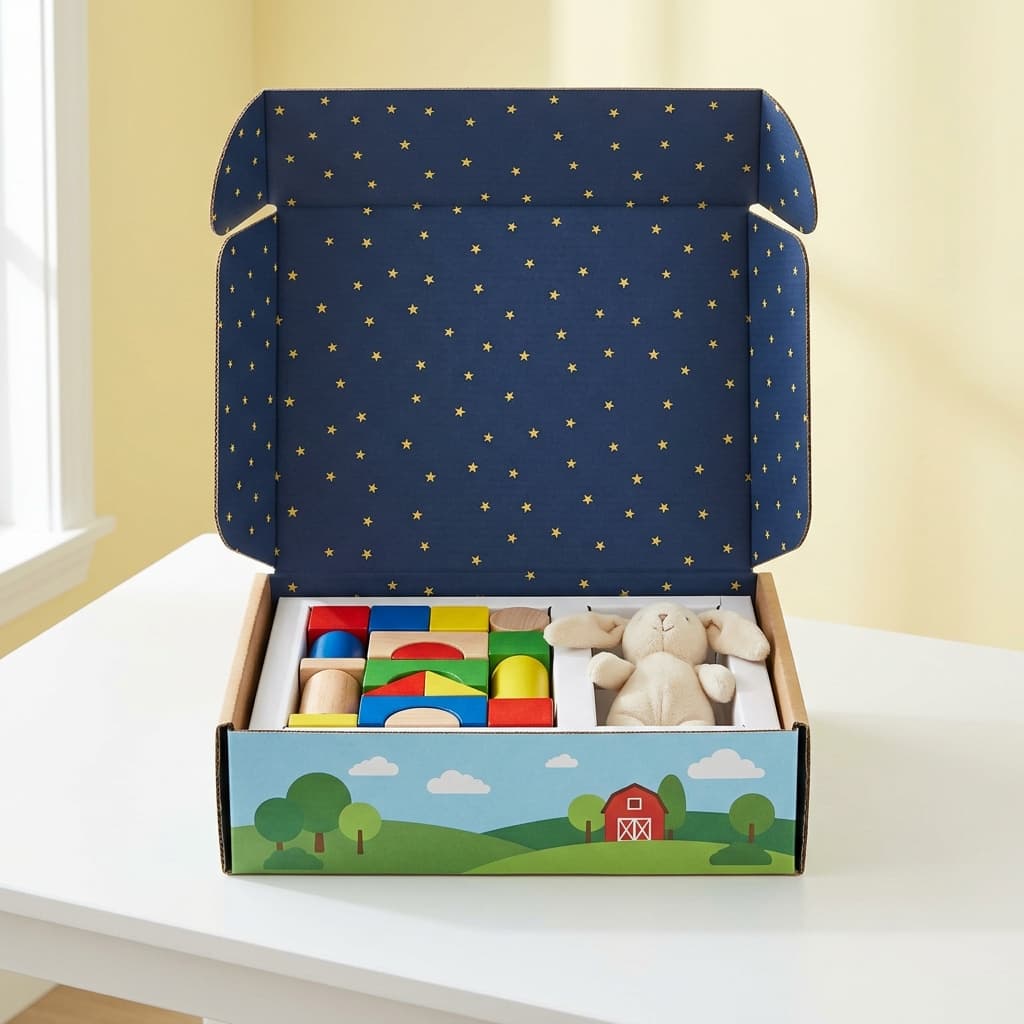
Mailer Boxes
Sturdy, self-locking corrugated mailers built for memorable deliveries.
Explore box style
Cosmetic Boxes
Color-accurate beauty packaging designed to look sharp on shelf and camera.
Explore box style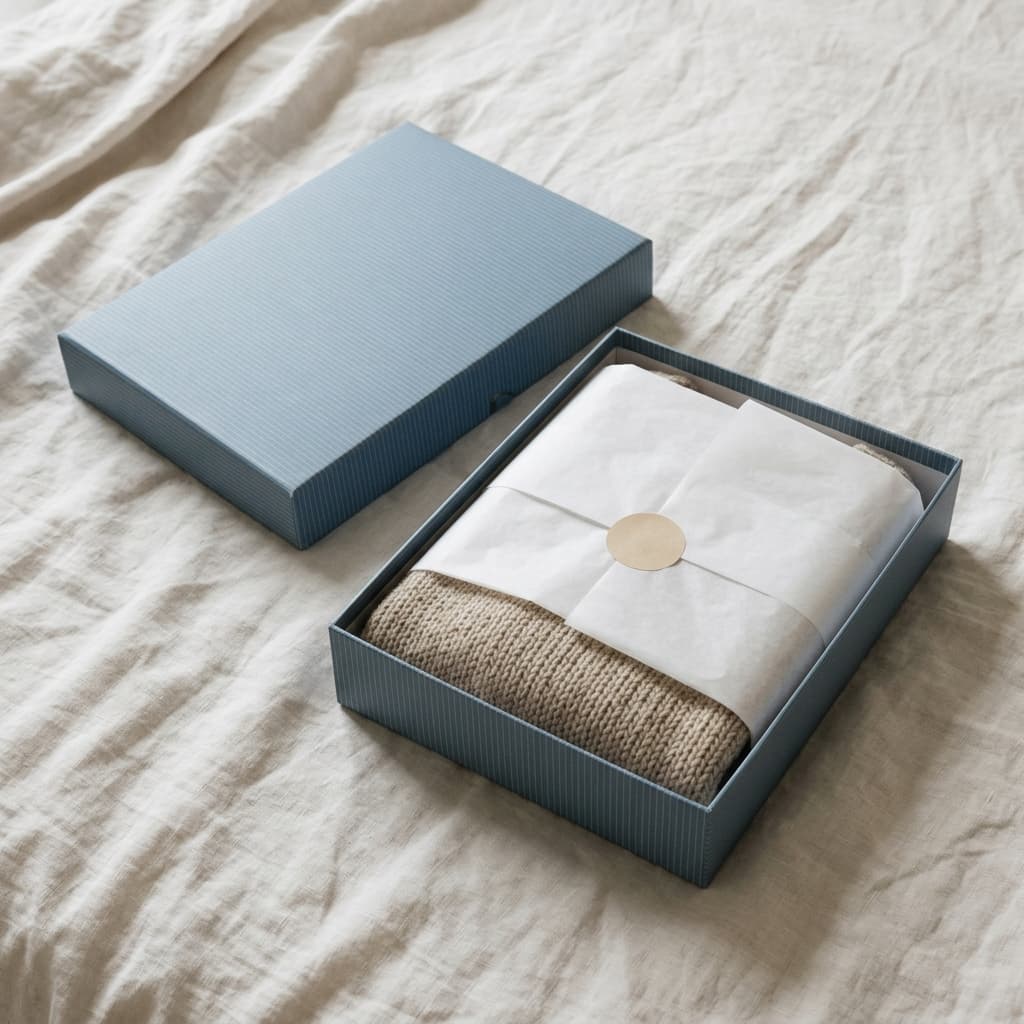
Apparel Boxes
Premium apparel packaging made for folds, reveals, and repeat use.
Explore box styleQuestions about rigid boxes.
Box style FAQsWe’ll confirm the exact details that apply to your structure and volume.
Read all frequently asked questionsCan a rigid box be shipped flat to save storage space?+
A standard rigid box is wrapped and glued into its final shape, so it arrives made up and ready to pack. If storage or freight matters more, we make a collapsible rigid box instead: its walls fold flat for delivery and lock up with magnets or tabs in a few seconds, with the same wrapped, premium finish.
Are rigid gift boxes recyclable?+
Yes. The greyboard and paper wrap are both paper, so a plain rigid box goes in with paper recycling. We keep it that way by recommending an unlaminated wrap and a board insert in place of foam. If your box has magnets or a ribbon, a short note inside the lid asking customers to remove them first keeps it simple for them.
Can the inside of a rigid box be printed?+
Yes. We line the inside of a rigid box with its own paper, and that lining can be printed with a pattern, a colour or a message under the lid. If you want something simpler, a plain coloured lining still covers the raw board and gives a finished look the moment the lid comes off.
Can a rigid box hold heavy items such as bottles or tools?+
Yes. For bottles, tools and other heavy items, we use thicker greyboard and add a fitted insert that holds the item in place, so the weight sits evenly on the base and nothing slides when the box is lifted. Tell us what your product weighs and we build the box around it.
Start with a free recommendation
Get pricing