

 Made to your size
- 100 boxes
- Custom sizes & styles
- Free dieline support
- Quality print options
- Proof before production
- 8–12 business day production
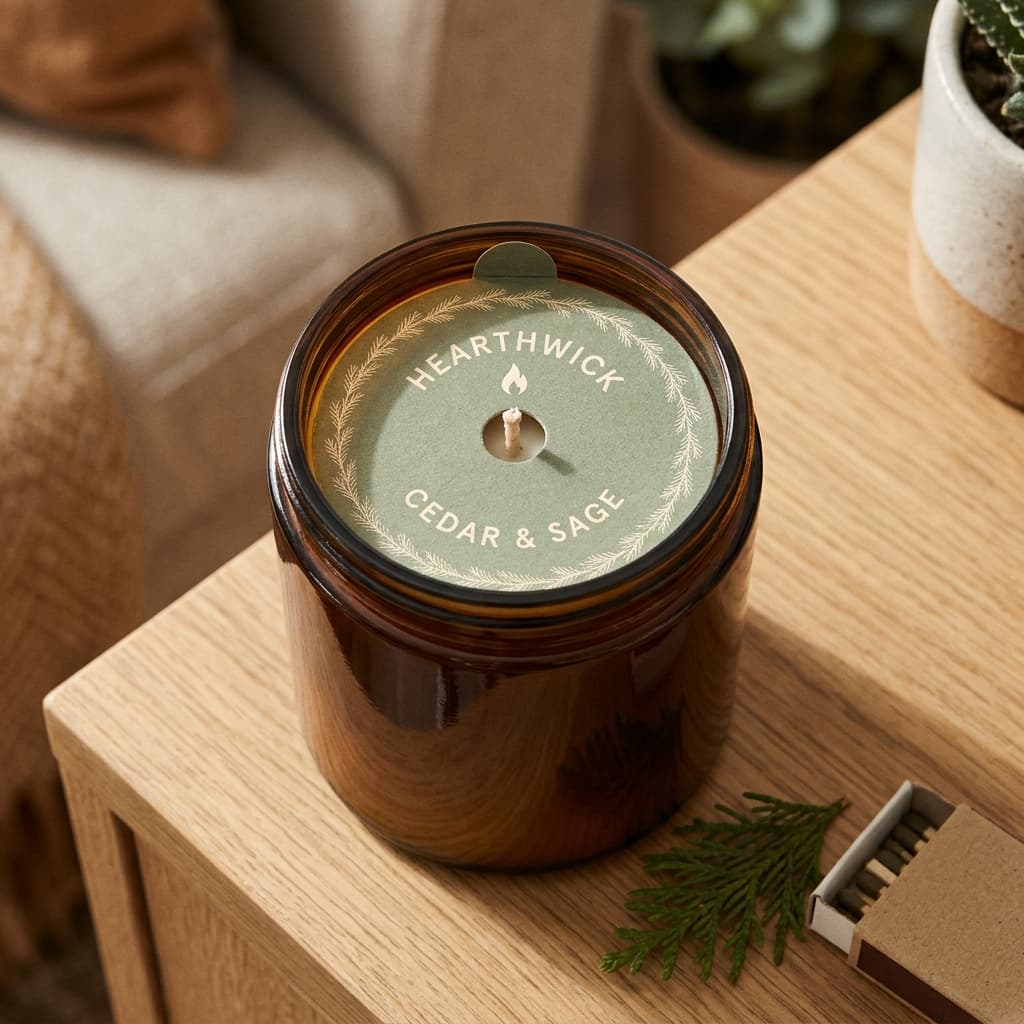
A candle dust cover is a thin printed disc that rests on the wax of an unlit candle, with a hole in the centre for the wick. It keeps dust, scuffs and fingerprints off the wax surface between the pour and the first burn, so the candle still looks freshly made when the customer lifts the lid. It also holds the wick upright in transit and gives you one more place for your brand, scent name and a reminder to remove it before lighting. Covers are cut to the inside of the jar or tin at the wax level, so measure there, not the outside of the container.
Keeps the wax clean
Custom Candle Covers
✓Clear proofing before productionSee our process
Get a free quote
Tell us what you are packing and we’ll reply with practical options.
Product features
Built around the jobCut to the jar's inner width
Keeps dust off the wax
Scent and brand print
Remove-before-lighting print
A hole for every wick
Coated underside for the wax
Optional lift tab
Specifications made for your product.
Technical snapshotEvery final specification is confirmed against product weight, packing method, print coverage, route, and order volume.
View artwork preparation guide- SKU
- bm-1024
- Dimensions
- Custom-made around the product and packing workflow
- Materials
- SBS paperboard, Recycled kraft, Coated board
- Printing
- CMYK, Pantone, white ink, or unprinted
- Finishes
- Matte, gloss, soft-touch, foil, embossing, spot UV
- Quantities
- Starting at 100 on selected configurations
- Proofing
- Dieline and digital proof
Finish the candle before it is lit.
Artwork and materialsA dust cover is the first thing your customer sees when the lid comes off, so it carries your brand and scent name on clean wax. Our packaging guides cover sizing, materials, print, and cost in more depth.
Brand, scent and a reminder
We set your brand and scent name around the wick hole, with a short 'remove before lighting' line where it is easy to read.
Explore print and finishesPaperboard or kraft
White paperboard gives bright colour for scent families and kraft gives a natural, handmade look. Foil on the scent name adds a crafted finish, and a coated underside keeps the wax side clean.
Explore material decisionsChoose your box
Tell us your jar's inner width at the wax line and where the wick sits.
Request a quote
We recommend the board, the wick hole or slit and whether a lift tab suits your candles.
Finalize the order
Confirm the size, board, finishes, scent names and delivery details.
Build the dieline
We draw the cover around your jar and wick positions, measured at the wax.
Approve the proof
Check the print, the hole position and the reminder line on the digital proof for each scent.
Roll on production
We make your covers, check the fit against your jar size, and pack them for delivery.
Best for
Jar candlesTin candlesCandle subscriptionsGift setsWhat changes the price.
Cost factorsEvery project is quoted individually. These are the choices that move the price on almost every order.
- Quantity
- Set-up work is the same whether we make 100 covers or 5,000, so the price per cover falls as quantity rises.
- Size and shape
- Each diameter or shape is cut with its own tool, so several jar sizes mean several tools.
- Holes and tabs
- Extra wick holes or a lift tab are part of the cutting tool, so they add little once the tool is made.
- Print and finish
- One-colour print costs less than full colour, and foil or a coated underside each add a step.
Buyer guidance
Choosing this format
What a candle dust cover is
A flat printed disc cut to fit the top of the wax, with a hole for the wick to pass through.
The cover sits directly on the wax inside the jar or tin, under the lid if the candle has one. The wick goes up through the hole, so the disc lies flat and covers the whole surface from the wick to the wall.
It is a single piece of card, cut and printed flat, so it adds almost no weight or space and goes on by hand in a second at the end of the pour.
- Rests on the wax, not on the rim
- Hole or slit for the wick
- One flat printed piece
Why the wax needs covering
The top of the candle is the first thing a customer sees, and bare wax marks easily.
Between pouring and the first burn, a candle may sit in a studio, a warehouse and a shop for months. Dust settles on the wax, lids rub it in transit and fingers leave prints when the candle is checked. A cover keeps all of that off the surface.
It also keeps the wick standing straight while the candle travels, and when the customer lifts it off they find clean, smooth wax under your brand - a small reveal before the first light.
- Stops dust and fingerprints
- Keeps the wick upright
- A branded first look
Measuring for the cover
The cover fits the inside of the container at the height of the wax, not the outside of the jar.
Measure the inner width of the jar or tin at the wax line. Many jars taper or curve, so the width at the wax can be smaller or larger than at the rim. We cut the cover a little under that width, so it drops in flat and lifts out without catching on the wall.
Note where the wick sits. Most are central, but if yours is off-centre, or the candle has more than one wick, send us the positions measured from the centre and we place a hole for each.
Hole or slit?
A hole gives the cleanest look; a slit makes the cover quicker to put on.
With a round hole, the cover is threaded down over the wick. It looks neat and covers the most wax, and it suits candles where the wick is trimmed short before the cover goes on.
A slit runs from the edge to the centre, so the cover slides on around the wick without threading. It is faster on a production line and easier on long or stiff wicks. Either way, we can add a small tab on the edge so the cover lifts out without fingers touching the wax.
- Hole: neatest, threaded over the wick
- Slit: slides on, faster to fit
- Optional lift tab
Board, print and the wax
The cover touches the wax, so the side facing down matters as much as the printed side.
Fragrance oil can mark plain paper over time, so we recommend a coated board for the side that rests on the wax. White paperboard gives the brightest colour for scent families, and kraft gives a natural, handmade look.
Print your brand and scent name on the top, and add a short line such as 'remove before lighting'. Foil on the logo or scent name catches the eye when the lid comes off.
Dust cover, lid or box?
A dust cover protects the wax surface; a lid closes the jar; a box protects the whole candle.
A dust cover works with or without a lid. Under a lid it stops the lid rubbing the wax and adds a branded layer; on an open jar it is the only thing keeping dust off. It does not guard against knocks.
Where the candle is posted or gifted on its own, pair the cover with a candle box that protects the jar on every side. The cover keeps the wax looking new; the box gets it there in one piece.
Related packaging formats
Compare your options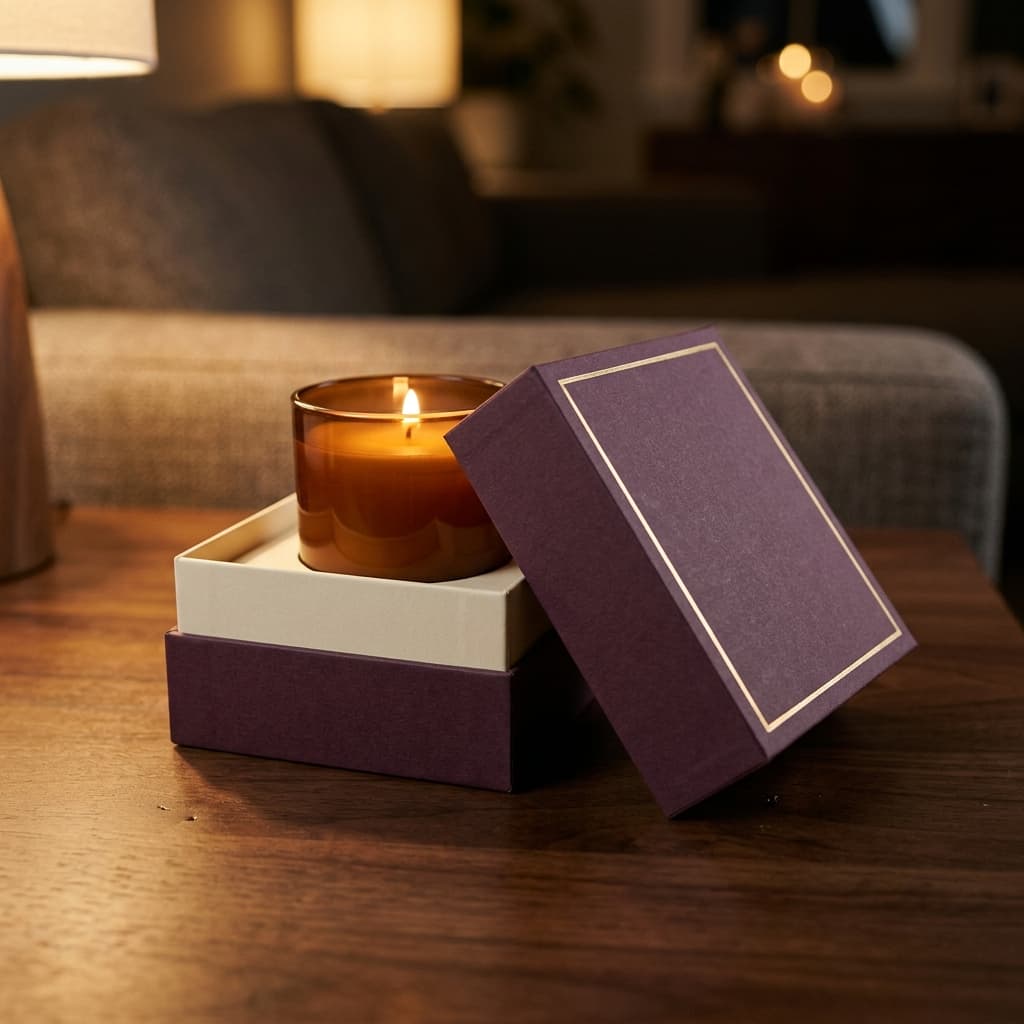
Candle Boxes
Protective cartons and rigid presentations for candles, vessels, and gift sets.
Explore box style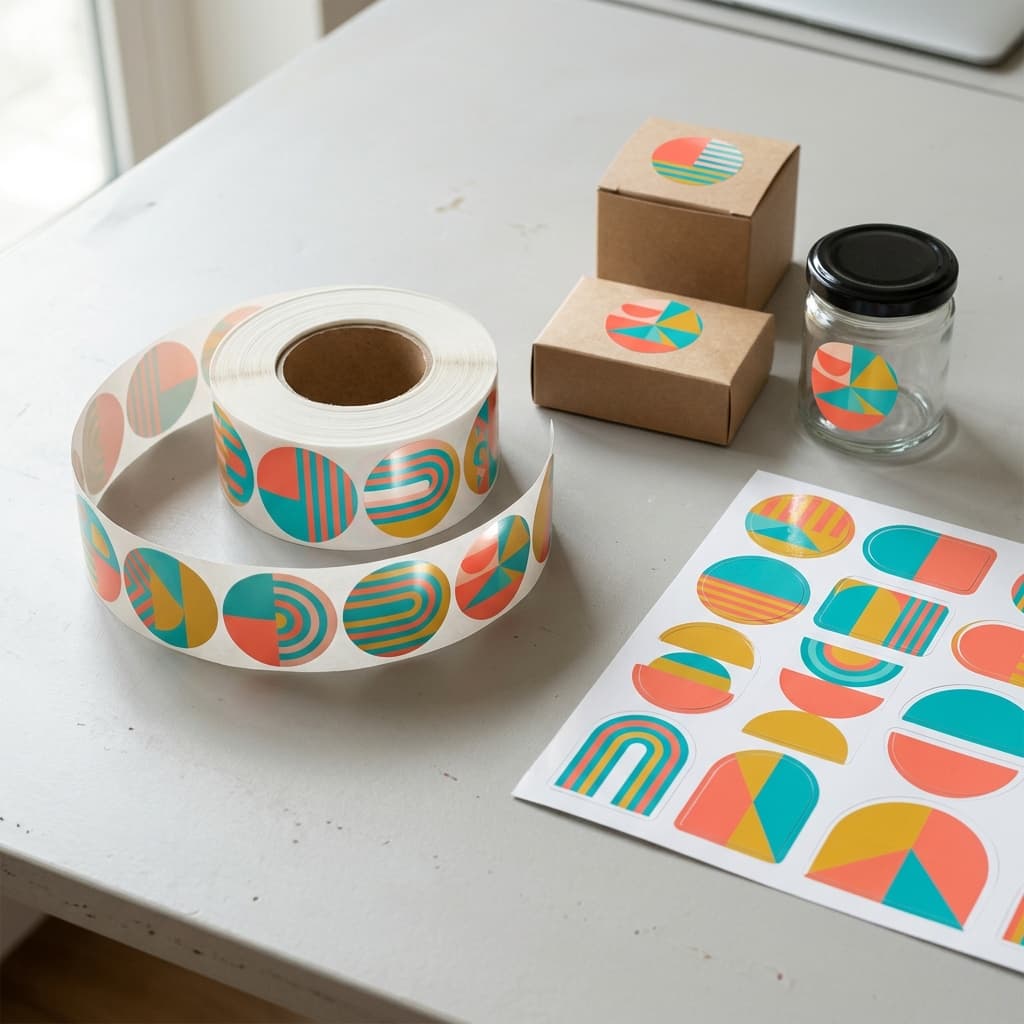
Labels & Stickers
Custom labels and seals for boxes, jars, tissue, short runs, and product families.
Explore box style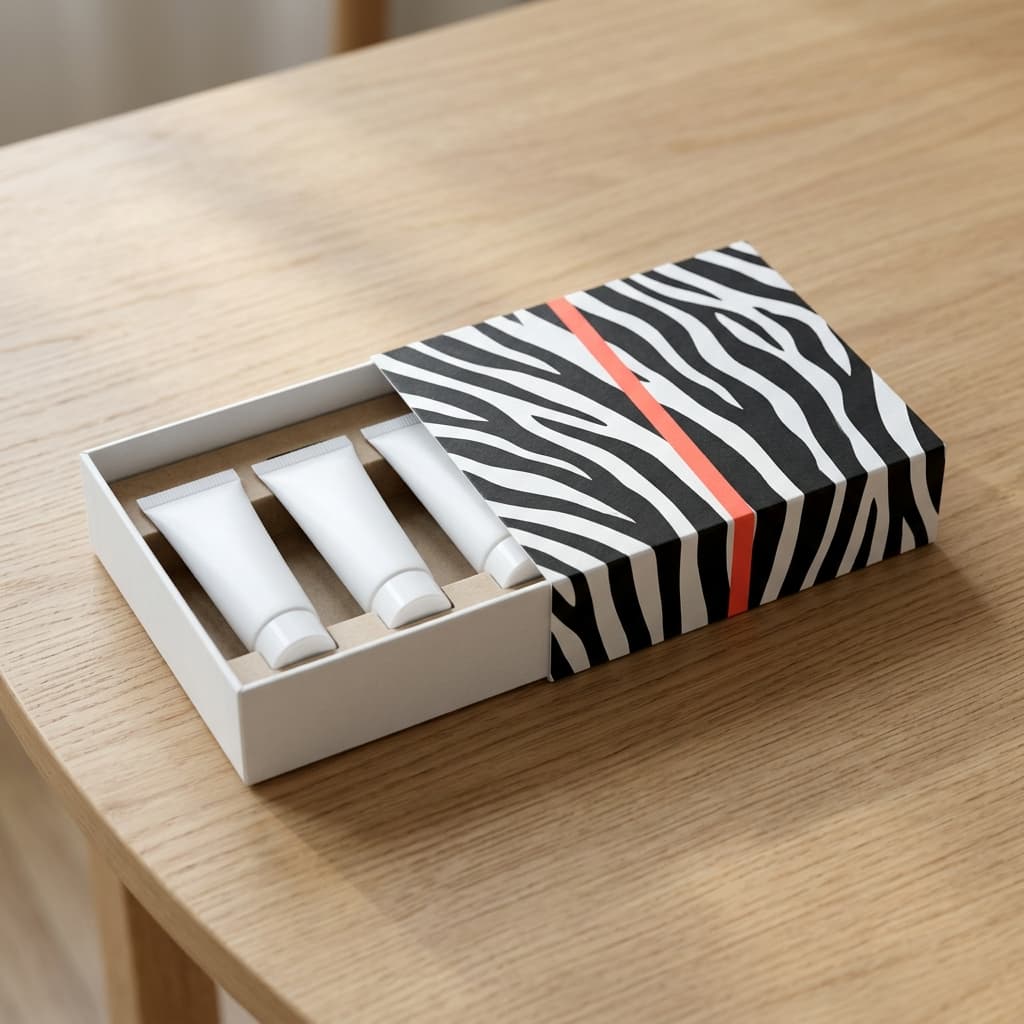
Sleeve Boxes
A printed sleeve over a plain tray or box, so one structure serves a whole range.
Explore box styleQuestions about candle covers.
Box style FAQsWe’ll confirm the exact details that apply to your structure and volume.
Read all frequently asked questionsDoes a candle with a lid still need a dust cover?+
It helps. The lid keeps dust out on the shelf, and the cover protects the wax underneath it: it stops the lid rubbing the surface in transit, holds the wick upright and gives your customer a clean, branded first look when the lid comes off. On a candle with no lid, the cover is what keeps the dust off.
Does the cover stay on while the candle burns?+
No. The cover is card, so it comes off before the candle is lit and goes back on only once the flame is out and the wax has cooled. We print a short 'remove before lighting' line on the cover, next to your scent name, so your customers see it every time.
Can you make dust covers for candles with more than one wick?+
Yes. We cut a hole for each wick in the matching position. Send us the inner width of the jar at the wax line and where each wick sits, measured from the centre, and we draw the cover around them for you to check on the proof.
Will fragrance oil mark the cover?+
Plain paper can pick up oil marks over time, so we make the side that rests on the wax from coated board. Your print stays clean on top, and the cover lifts off the wax without sticking.
Start with a free recommendation
Get pricing