
 Made to your size
- 100 boxes
- Custom sizes & styles
- Free dieline support
- Quality print options
- Proof before production
- 8–12 business day production
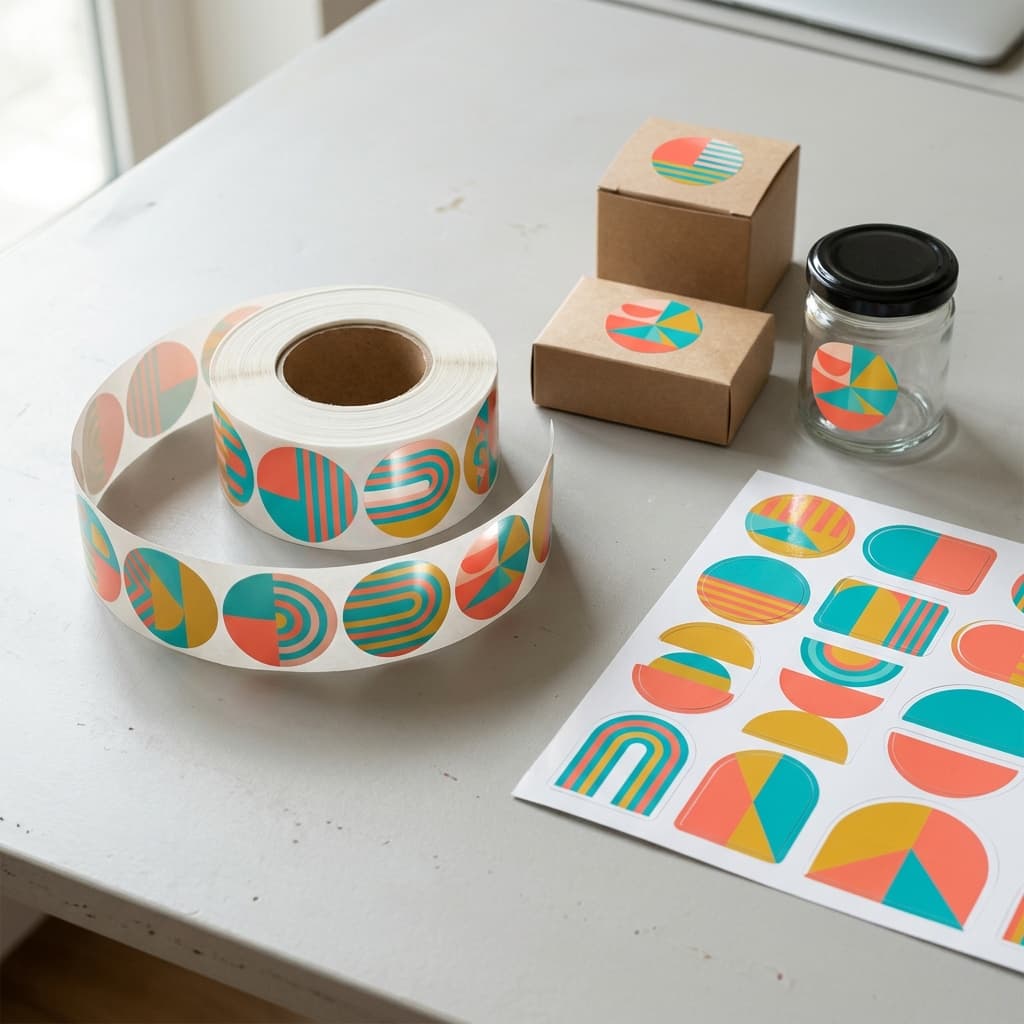
Add flexible branding and product information with paper or film labels selected around surface, handling, and moisture conditions.
Flexible brand details
Custom Labels & Stickers
✓Clear proofing before productionSee our process
Get a free quote
Tell us what you are packing and we’ll reply with practical options.
Product features
Built around the jobPermanent or removable adhesive
Roll and sheet formats
Matte and gloss finishes
Paper or durable film
Tamper-evident VOID seals
Blank date and batch panel
Tapered container wraps
Specifications made for your product.
Technical snapshotEvery final specification is confirmed against product weight, packing method, print coverage, route, and order volume.
View artwork preparation guide- SKU
- bm-1026
- Dimensions
- Custom-made around the product and packing workflow
- Materials
- Paper label stock, Recycled paper, Durable film
- Printing
- CMYK, Pantone, white ink, or unprinted
- Finishes
- Matte, gloss, soft-touch, foil, embossing, spot UV
- Quantities
- Starting at 100 on selected configurations
- Proofing
- Dieline and digital proof
Small labels, a strong brand detail.
Artwork and materialsA label's artwork fits its cut shape, and the surface it sticks to shapes the design. Clear text, a sound margin and the right face material matter most. Our packaging guides cover sizing, materials, print, and cost in more depth.
Cut shape, roll or sheet
We draw the cut shape around your artwork, with bleed past the edge and a safe area inside it. Labels are laid out on rolls wound for your applicator, or on sheets for hand use.
Explore print and finishesPaper, recycled paper or film
Paper prints sharply and is easy to write on, recycled paper gives a softer natural look, and durable film handles water, oil and squeezing. Matte reads soft and hides marks, while gloss makes colours look stronger.
Explore material decisionsChoose your box
Tell us what the label goes on, its surface, and the size and shape you need.
Request a quote
We recommend the face material, adhesive, finish and roll or sheet format for your use.
Finalize the order
Confirm the shape, size, material, adhesive, finish, format and the quantity of each design.
Build the dieline
We draw the cut shape to fit your pack, with curves or tapered wraps measured in.
Approve the proof
Review each design's cut line, text size, colour setup and any blank batch panel on the proof.
Roll on production
Your labels are printed, cut, checked and wound on rolls or packed as sheets.
Best for
Box sealsJars and bottlesTissue closuresShort-run variantsBuyer guidance
Choosing this format
The three layers of a label
A label is three layers: a printed face, a layer of adhesive, and a backing liner that is thrown away.
The shape is cut through the face material and the adhesive but not through the liner, which is called kiss cutting. The waste around each shape is peeled away, leaving the labels sitting on the liner ready to be lifted off.
Labels come on rolls for machine or fast hand application, or on sheets for desktop and hand use. Shapes can be any outline the cutting die can follow.
- Face material, adhesive, release liner
- Kiss cut through the face, not the liner
- Roll or sheet, any die shape
Paper, recycled paper or film
The face material decides how the label feels, how it prints and how it copes with water, oil and handling.
Paper is the usual choice for dry products, boxes and tissue seals. It prints sharply, is easy to write on and costs the least. Recycled paper looks more natural, takes ink with a softer edge and may be slightly speckled.
Film is a plastic face material. It resists water, oil and tearing and flexes with a squeezable bottle, but it can be harder to write on and looks different from paper. Paper in a damp or oily place tends to wrinkle, stain or lift, so tell us where the label will live and we suggest the face material.
- Paper: sharp print, easy to write on, dry use
- Recycled paper: natural look, softer print
- Film: handles water, oil and flexing
Size, shape and the die line
A label has to fit the surface it goes on, including curves, corners and the space around it.
Measure the flat area available, not the whole pack, and leave a margin from edges, folds and seams. A label that crosses a crease or a join will lift there first, so tell us what the label goes on and we size it to the flat area.
Tight corners on a die shape are fragile, so a small radius on every corner helps the label stay down. On a bottle or jar, a label that goes round the curve must be shorter than the circumference, or its ends will overlap awkwardly.
Label or print on the pack?
Labels let one plain pack carry many variants, while print on the pack is neater when the design never changes.
A label lets the same unprinted box, jar or bag be used for several flavours, scents or seasons, and only the labels change. That keeps stock simple and suits short runs and products that are still evolving.
Print directly on the pack when the design is fixed and produced in volume. It removes the application step and the edge that can catch, and the print cannot peel off.
Matte, gloss and applying the label
The finish changes how a label reads and wears, and the way it is applied decides whether it stays on.
Gloss makes colour look stronger and wipes clean, but it shows fingerprints and glare. Matte reads softer, hides marks and is easier to write on, though it can look duller in dark colours.
The surface must be clean, dry and free of dust or oil. Press the label down firmly, because most adhesives build their grip over time. Permanent adhesive is meant to stay put, while removable adhesive holds more lightly and may lift on rough or dusty surfaces.
Label or printed sleeve?
A label is the pick for smooth, dry surfaces. A printed sleeve, or print on the pack itself, is the pick where adhesive struggles but each variant still needs its own look.
Labels struggle where the surface, the conditions or the use work against an adhesive bond. Heavily textured or powdery surfaces, tight curves and very cold or wet conditions all weaken the grip. Paper labels left outdoors or in the fridge tend to fail, so those uses call for film, for print directly on the pack or, on a box, for a sleeve that changes by variant with no adhesive at all.
A label also adds a layer that can complicate recycling, especially a film label on a paper box. If the pack is meant to be recycled or reused, a paper label on a paper box keeps it closer to one material.
Related packaging formats
Compare your options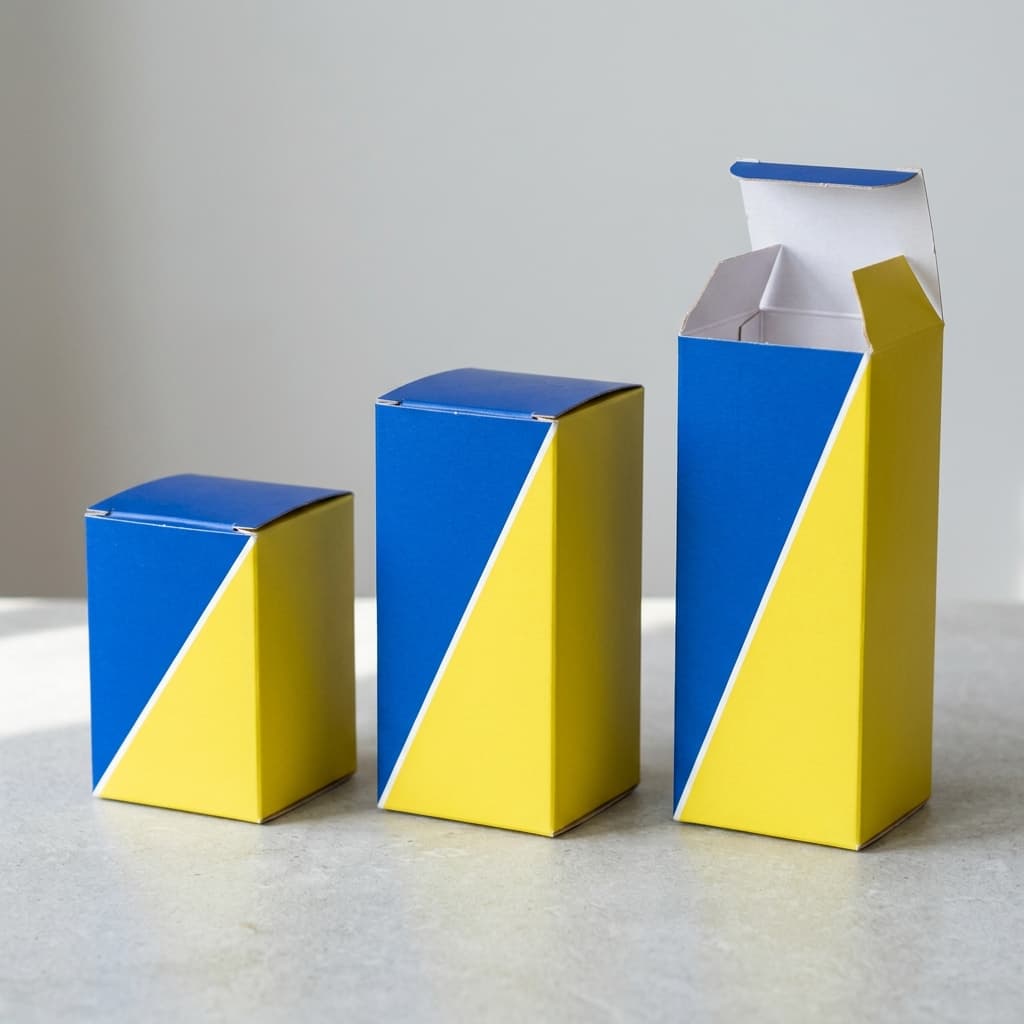
Folding Cartons
Lightweight printed cartons with crisp color, structure, and shelf appeal.
Explore box style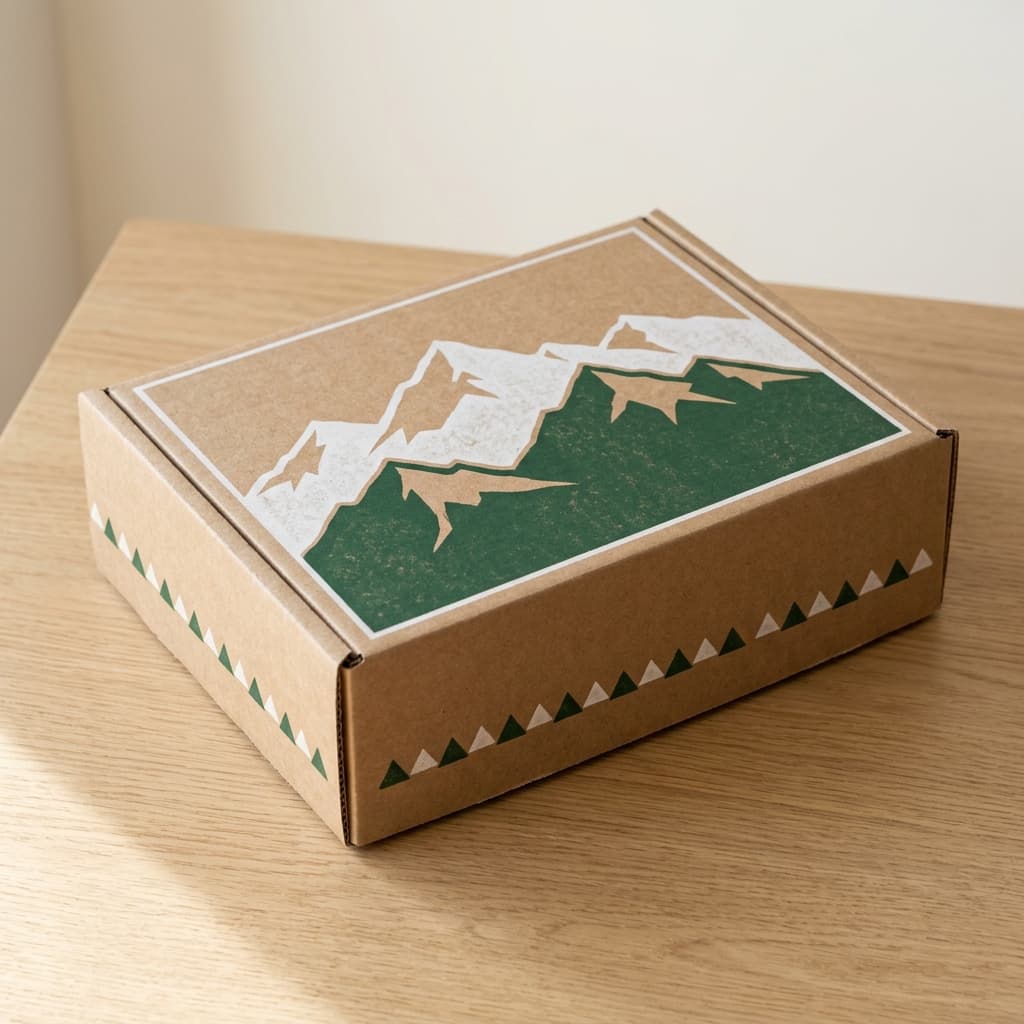
Kraft Packaging
Warm, honest kraft packaging with recycled content and modern print.
Explore box style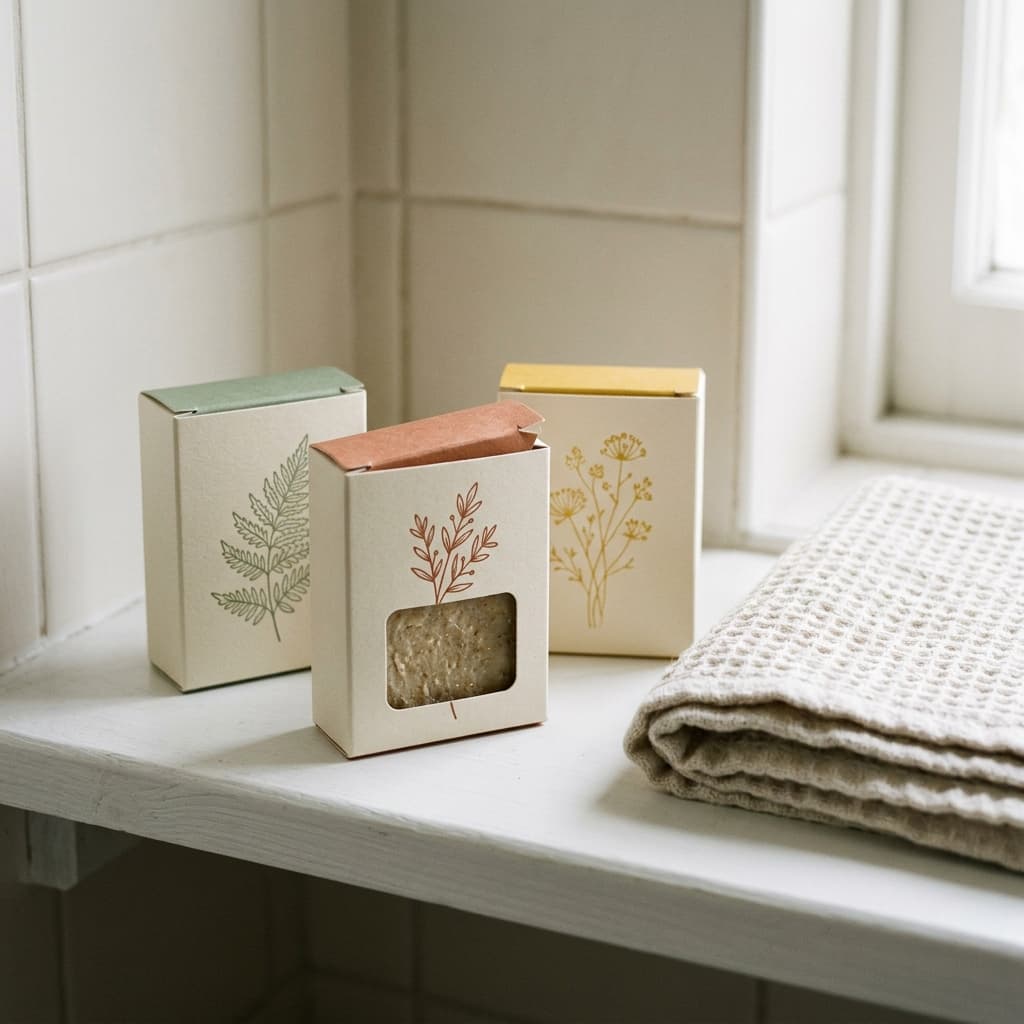
Soap Boxes
Paperboard cartons and sleeves sized around bars, sets, and handmade soap.
Explore box styleQuestions about labels & stickers.
Box style FAQsWe’ll confirm the exact details that apply to your structure and volume.
Read all frequently asked questionsCan I order labels on rolls or sheets?+
Yes, both. Rolls suit machine application and fast hand labelling, while sheets suit small batches and desktop work. For rolls, tell us the core size and unwind direction your label applicator needs, and we wind the labels to match. For a few hundred units at a time, sheets are easier to handle.
Can labels carry batch numbers or best-before dates?+
Yes. We can print your labels with a clear blank panel for a date coder or thermal printer to fill in on your line. Tell us which coder you use, and we choose a face material and finish that its ink or ribbon sticks to, so every date and batch number prints sharp and stays put.
Do you make tamper-evident labels?+
Yes. We make seals from a brittle film that breaks into small pieces when peeled, or from a material that leaves a VOID pattern behind on the surface. They work across box flaps, jar lids and bottle caps, and we help you place the seal where the pack cannot be opened without breaking it.
Will labels stick to kraft or recycled boxes?+
Yes. Kraft and recycled board have loose fibres on the surface, so for those boxes we use a stronger adhesive made for rough surfaces, which grips without lifting at the edges. Tell us what your boxes are made of, or order your kraft boxes and labels together, and we match the adhesive to the board.
Can a label go on a tapered bottle or cup?+
Yes. We shape the label for the container: a curved, fan-shaped label drawn from its top and bottom diameters and its height, so it wraps smoothly with no wrinkles. Send us those three measurements and we draw the label on a dieline for you to approve before printing.
Start with a free recommendation
Get pricing