

 Made to your size
- 100 boxes
- Custom sizes & styles
- Free dieline support
- Quality print options
- Proof before production
- 8–12 business day production
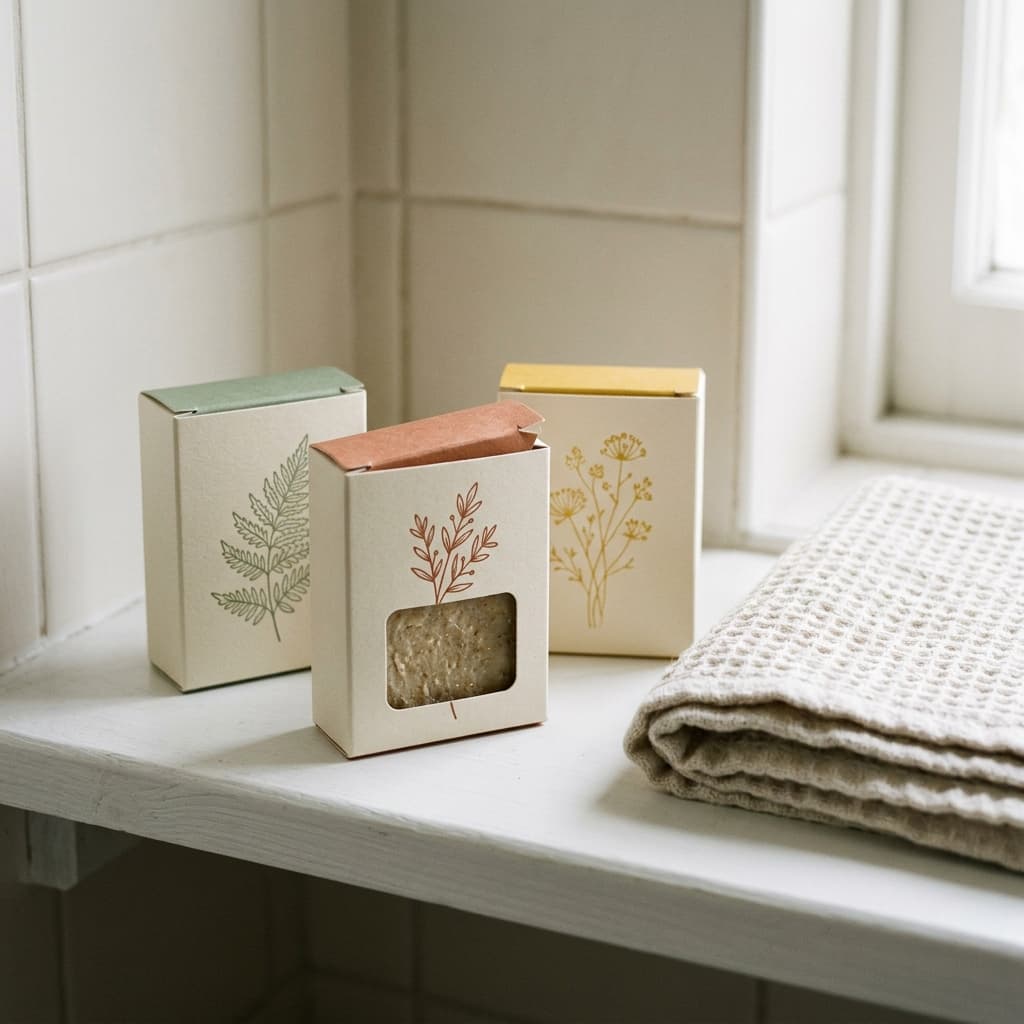
Protect edges, showcase scent families, and keep production assembly simple with soap cartons, sleeves, and windowed structures tailored to your bar dimensions.
Small format, strong shelf presence
Custom Soap Boxes
✓Clear proofing before productionSee our process
Get a free quote
Tell us what you are packing and we’ll reply with practical options.
Product features
Built around the jobSleeves and tuck cartons
Window options
Coordinated scent families
Die-cut scent holes
Round and oval bar inserts
Divided gift-set trays
Space for ingredients and warnings
Specifications made for your product.
Technical snapshotEvery final specification is confirmed against product weight, packing method, print coverage, route, and order volume.
View artwork preparation guide- SKU
- bm-1011
- Dimensions
- Custom-made around the product and packing workflow
- Materials
- SBS paperboard, Recycled kraft, Uncoated paperboard
- Printing
- CMYK, Pantone, white ink, or unprinted
- Finishes
- Matte, gloss, soft-touch, foil, embossing, spot UV
- Quantities
- Starting at 100 on selected configurations
- Proofing
- Dieline and digital proof
Show off every scent.
Artwork and materialsA soap box is small, so the front, sides and end flaps all work hard. The scent name and the bar itself are what shoppers look for first. Our packaging guides cover sizing, materials, print, and cost in more depth.
Small panels and scent families
We set your artwork on the sleeve or carton dieline, with the ingredient text on its own panel. For a scent range, we keep one layout and change a colour or name, so the family reads together.
Explore print and finishesSBS, kraft and uncoated board
SBS gives bright, sharp colour, while recycled kraft and uncoated board give a handmade look with darker, softer print. A varnish or inside coating helps the board resist oil from fragrant bars, and windows or scent holes show the soap.
Explore material decisionsChoose your box
Tell us the bar size once cured, its shape and whether it is sold alone or in sets.
Request a quote
We recommend a sleeve, tuck carton or window box, with the board and coating for your soap.
Finalize the order
Confirm the format, board, coating, window or scent holes, print and quantity for each scent.
Build the dieline
We draw the box around your cured bar, with any window, scent holes or insert in place.
Approve the proof
Review each scent's artwork, the ingredient panel, window placement and every flap on the proof.
Roll on production
Your soap boxes are printed, cut, checked and packed flat, ready to slide on or fold up.
Best for
Artisan soapBath setsNatural productsRetail giftingBuyer guidance
Choosing this format
Sleeves and tuck cartons for soap
Most soap packaging is a sleeve or a tuck carton, both cut from one sheet of paperboard.
A sleeve is an open tube of board with one glued seam. The bar slides in from either end and the ends stay open, so the soap stays on show and can breathe.
A tuck carton is a closed box with a flap at each end. It encloses the bar completely and is cut and creased flat in the same way. Both ship flat and are assembled, or slid on, at packing. The creases are cut into the same die as the outline, so a bar-sized box needs only one tool.
- Sleeve: open ends, one glued seam
- Tuck carton: closed, flap at each end
- Both arrive flat, ready to fold
Sleeve, tuck carton or window?
The choice is about how much of the bar to show and how much to cover.
A sleeve is the lightest option and the quickest to pack, and it suits a bar that already has a wrapper or a natural finish. A tuck carton hides the soap and gives more space for text, so it suits a bar that is sold in a gift set.
A window lets the buyer see the colour and texture of the soap. An open cut-out also lets scent escape and dust in. A film-covered window keeps the soap clean, but it adds a second material and makes recycling harder.
Measuring a handmade bar
Handmade soap is not a standard size, so measure a bar after it has cured, not when it comes out of the mould.
Cold-process soap loses water as it cures and shrinks a little. A bar measured on the day it was cut will sit loose in a box built around it. Measure several finished bars and use the largest, because batches differ.
A sleeve should slide on without force but not fall off when the bar is turned over. A gap of a millimetre or so each side is a sensible starting point, and we draw it around your cured bar's measurements so you can check the fit on the dieline and digital proof. Rounded and irregular bars sit better in a sleeve than in a tight carton.
A box or a paper band?
A band uses far less material. A full sleeve or carton gives more protection and more room to print.
A belly band is a strip of paper around the middle of the bar. It holds a label and a barcode and leaves the soap on show. It gives no cover for the ends, and none for the soap's scent.
A sleeve or carton protects the corners and edges, which are what chip first, and carries more text. If the label must carry a full ingredient list, there is usually not enough room on a band.
Oils, scent and damp
Soap gives off moisture, and scented soap gives off oil. Uncoated board takes both in.
Fresh and fragrant soap can leave a faint oil mark on uncoated or recycled board, and the board may soften if it stays damp. A varnish, or a barrier coating on the inside surface, slows this. Where the box touches the soap, settle the coating before approving the board.
Uncoated and kraft board look natural and suit handmade soap, but colours print darker and duller on them. Keep artwork simple: one or two solid colours read better than fine detail. We leave room on the panels for the ingredients and any warnings your soap must carry, and lay them out on the proof.
Soap carton or rigid gift box?
A soap carton is the pick for a cured bar sold on a shelf. A rigid gift box is the pick for heavy sets and gift collections.
Paperboard does not like wet soap. A bar that is still soft, or one that sweats in humid weather, will mark the box and may stick to it. Let the soap cure fully, and keep stock somewhere dry, before it goes into board.
A carton is also not a shipping pack. Posted on its own, it arrives crushed at the corners, so for the post it travels inside a mailer. For heavy sets a rigid gift box or a corrugated box is the better format, and for a single bar a simple wrap and label can be enough.
Related packaging formats
Compare your options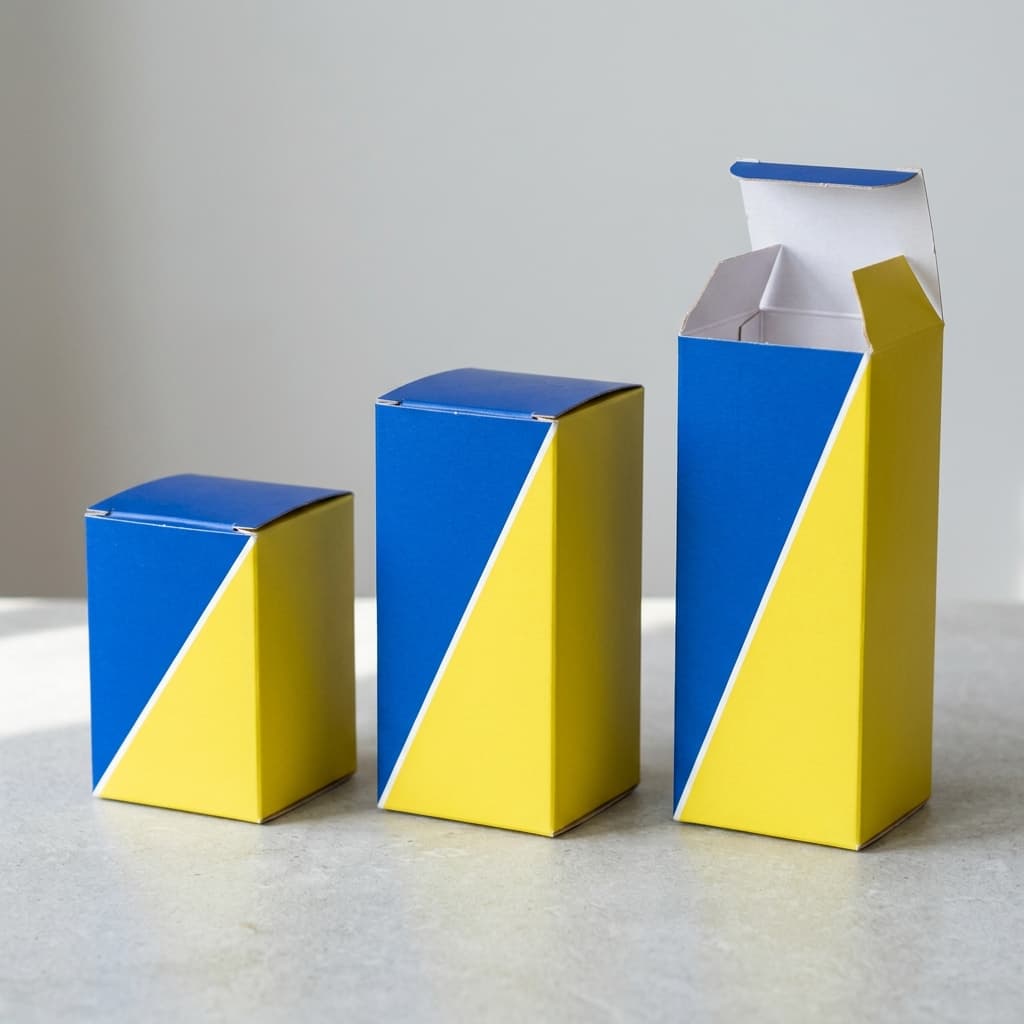
Folding Cartons
Lightweight printed cartons with crisp color, structure, and shelf appeal.
Explore box style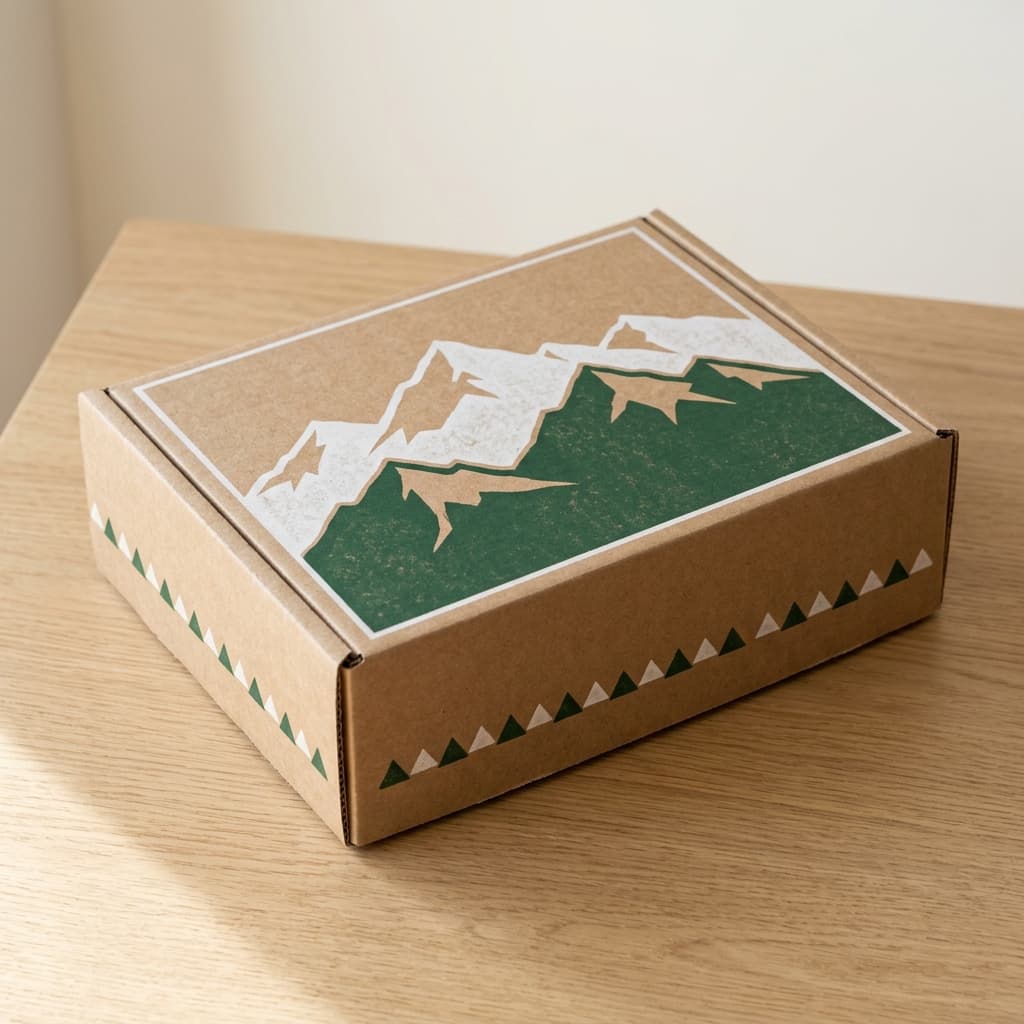
Kraft Packaging
Warm, honest kraft packaging with recycled content and modern print.
Explore box style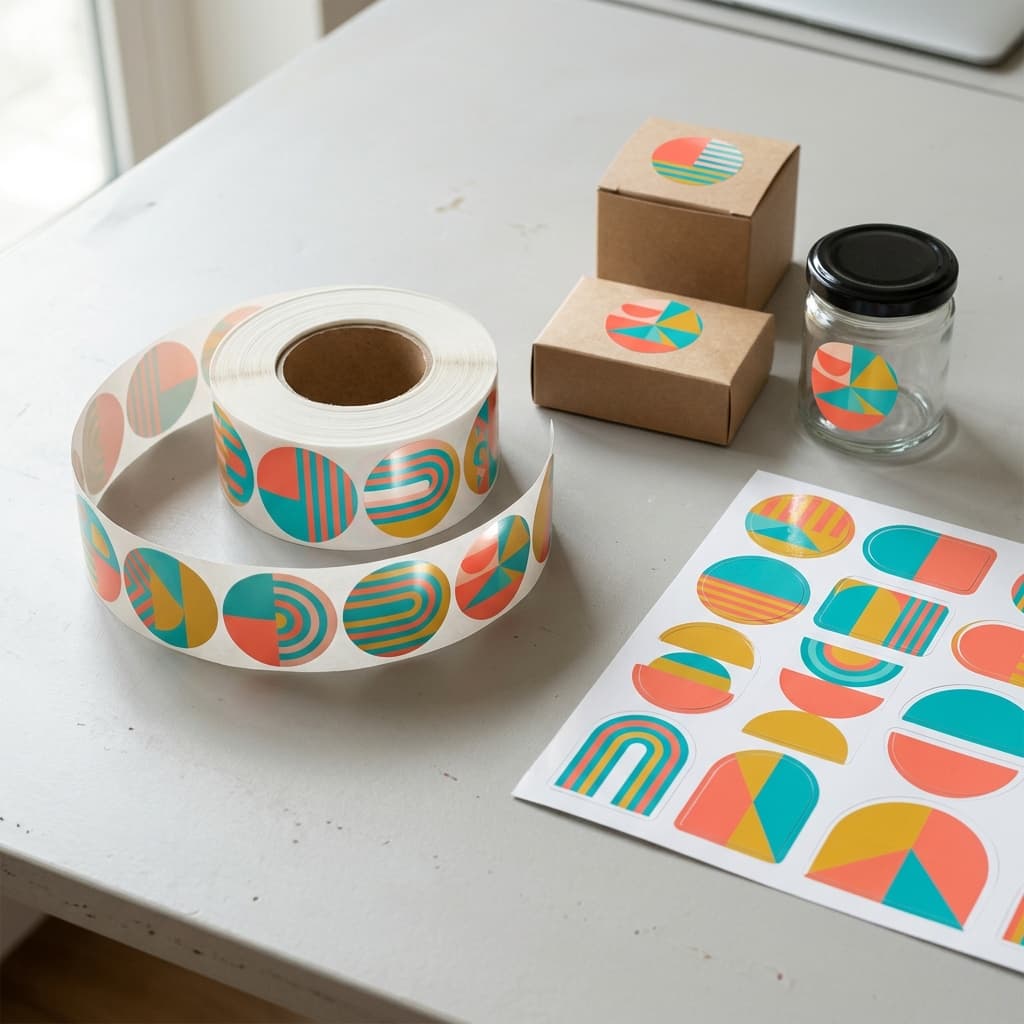
Labels & Stickers
Custom labels and seals for boxes, jars, tissue, short runs, and product families.
Explore box styleQuestions about soap boxes.
Box style FAQsWe’ll confirm the exact details that apply to your structure and volume.
Read all frequently asked questionsCan a soap box have holes to let the scent out?+
Yes. We can die cut small holes or a shaped cut-out so customers can smell the bar without opening the box. For soap that will sit in stock for months, we recommend a film window or a closed carton instead, because it keeps dust out and holds the fragrance in for longer, while still letting shoppers see the bar.
What information goes on a soap box?+
That depends on what your soap says it does. A plain cleansing soap and one that claims to moisturise or treat skin often need to carry different information, such as a full ingredient list or warnings. Tell us what your box must include and we plan the panels around that text first, then lay it out with your branding on the proof.
Can a soap box fit a round or oval bar?+
Yes. For a round or oval bar, we make a carton with a die-cut insert that holds it centred, a sleeve, or a round box. This keeps the bar from rolling into the corners and chipping its edges. Send us the widest and thickest points of a cured bar and we size the box to fit.
Can you make a gift set box for several soap bars?+
Yes. We make gift set boxes with a divided insert, so each bar has its own space and cannot knock against the others. A sleeve over a divided tray is a popular, simple build, and a window or lift-off lid shows the set without unpacking it. Wrapping each bar keeps strong scents from mixing.
Start with a free recommendation
Get pricing