

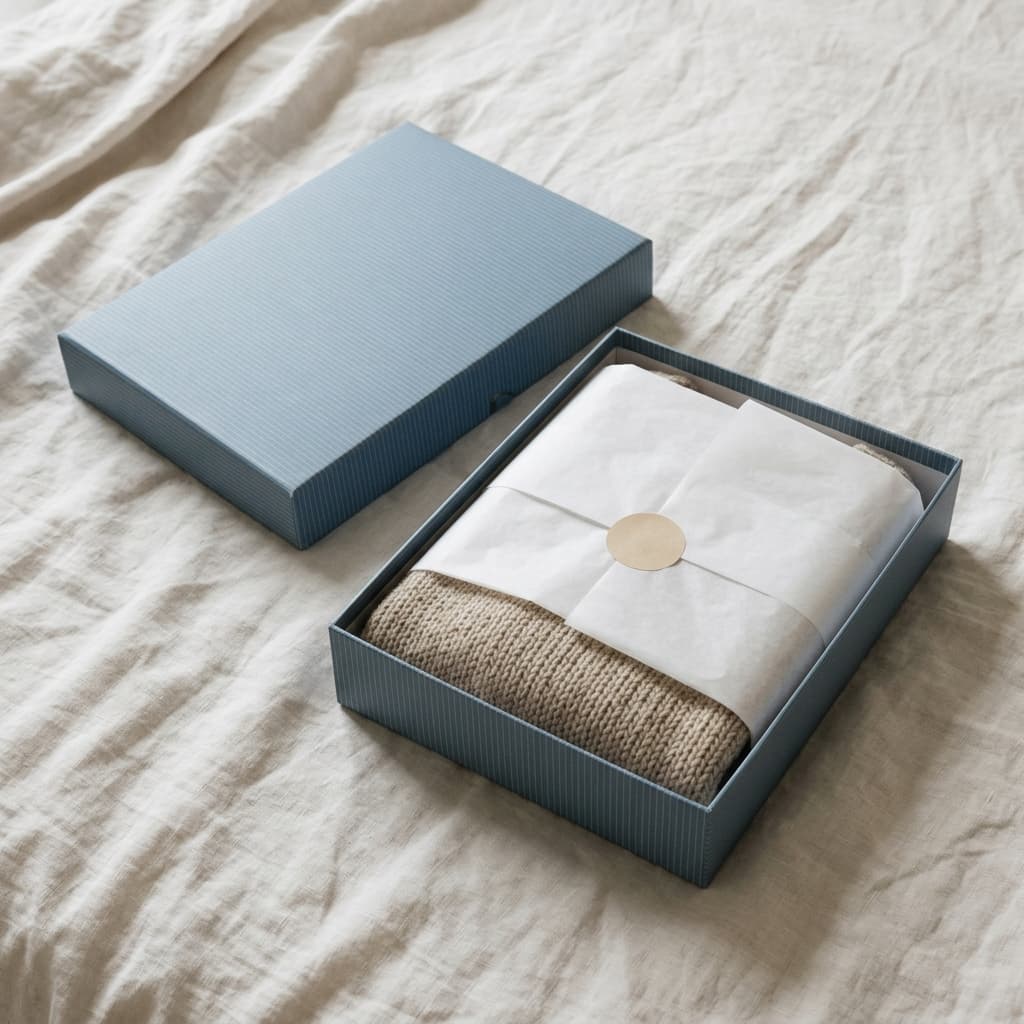
 Made to your size
- 100 boxes
- Custom sizes & styles
- Free dieline support
- Quality print options
- Proof before production
- 8–12 business day production
Custom apparel packaging from 100 units, in corrugated mailers, fold-flat magnetic boxes and two-piece rigid formats, sized so garments arrive folded as you packed them. Choose a mailer for everyday orders or a rigid box for premium pieces and gifting, with inside print, tissue and belly bands as options. Production runs 8–12 business days after you approve the proof.
Fashion & accessories
Custom Apparel Boxes
✓Clear proofing before productionSee our process
Get a free quote
Tell us what you are packing and we’ll reply with practical options.
Product features
Built around the jobTissue-friendly sizing
Ribbon pulls
Interior messaging
Mailer or two-piece rigid
Shirt board inserts
Long gown box sizes
Belly band options
Specifications made for your product.
Technical snapshotEvery final specification is confirmed against product weight, packing method, print coverage, route, and order volume.
View artwork preparation guide- SKU
- bm-1009
- Dimensions
- Custom-made around the product and packing workflow
- Materials
- Corrugated board, Rigid board, Recycled paperboard
- Printing
- CMYK, Pantone, white ink, or unprinted
- Finishes
- Matte, gloss, soft-touch, foil, embossing, spot UV
- Quantities
- Starting at 100 on selected configurations
- Proofing
- Dieline and digital proof
Dress the box like the garment.
Artwork and materialsApparel boxes carry your brand outside and often a message inside the lid. The inside matters most, because it is what your customer sees as the tissue opens. Our packaging guides cover sizing, materials, print, and cost in more depth.
Lid, inside and belly band
We set the outside and inside artwork on the flat dieline for a mailer, or on the wrap for a rigid box. A printed belly band lets one plain box carry several ranges or seasons.
Explore print and finishesCorrugated, rigid or paperboard
Corrugated gives a practical, everyday finish, rigid board takes wrapped paper, foil and ribbon pulls for premium pieces, and recycled paperboard gives a soft, natural look. We keep heavy ink away from where it presses on pale fabric.
Explore material decisionsChoose your box
Tell us the garment, its folded size with tissue, and how it reaches your customer.
Request a quote
We recommend the mailer, fold-flat or rigid format, with inserts and finishes that suit the piece.
Finalize the order
Confirm the format, board, inside and outside print, extras such as tissue or bands, and quantity.
Build the dieline
We draw the box around your folded garment, with any shirt board or insert in place.
Approve the proof
Check the outside, inside lid, belly band and every panel, with colour setup, on the proof.
Roll on production
Your apparel boxes are printed, finished, checked and packed flat or ready-formed as the format needs.
Best for
FashionAccessoriesBridalPremium basicsWhat changes the price.
Cost factorsEvery project is quoted individually. These are the choices that move the price on almost every order.
- Quantity
- Set-up work is the same whether we make 100 boxes or 5,000, so the price per box falls as quantity rises.
- Format
- A corrugated mailer is the most economical. Magnetic and two-piece rigid boxes use more material and more assembly.
- Print coverage
- One colour on the outside costs less than full colour printed inside and out.
- Finishes
- Foil, embossing and soft-touch each add a production step.
- Extras
- Tissue, belly bands and inside print are each priced as additions.
Buyer guidance
Choosing this format
Three structures for folded garments
Apparel boxes come in three structures: a corrugated mailer, a fold-flat rigid box and a two-piece rigid box.
The mailer is one die-cut corrugated blank that folds up and tucks shut. The fold-flat rigid box is wrapped board with the corners creased so it collapses for storage, and the two-piece rigid box is a separate base and lid, both made from wrapped board.
Garments are flat and soft, so all three are shallow compared with their footprint. What differs is how much protection and presentation the structure gives, and how much space it takes up before it is packed.
- Corrugated mailer: ships flat, assembles by hand, built for posting
- Fold-flat rigid: collapses for storage, opens like a gift box
- Two-piece rigid: stiffest walls, lid lifts fully away
Mailer, fold-flat or two-piece rigid for garments?
The structure should follow how the garment travels: posted to a door, handed over in a shop, or given as a gift.
A corrugated mailer survives the post and costs the least per unit, which suits everyday orders. Its print and finish are limited by the board surface, so it reads as practical rather than ceremonial.
Rigid boxes hold their shape, take wrapped paper, foil and ribbon pulls, and suit bridal pieces, gifting and single high-value items. They are heavier and bulkier, and many are not strong enough to be posted without an outer carton.
- Mailer: lightest, posts alone, plainer surface
- Rigid: holds its shape, richer surface, usually needs an outer carton to travel
Measure the garment folded, not flat
The box is sized around the folded garment, and the fold is something you decide before you order.
Fold the garment the way it will be packed, with tissue if you use it, and measure length, width and stacked height. Fabric springs back, so knitwear and padded pieces measure taller than they look once you stop pressing on them.
A box that is too deep lets a folded shirt slide and crease in transit. One that is too shallow squashes the garment and strains the lid. Folds also vary between packers, so settle on one standard fold, send us its measurements, and we size the box around it.
Apparel box or poly mailer?
A poly mailer is lighter and cheaper to post, but it gives a garment no structure at all.
Plastic mailers are waterproof, flexible and almost weightless, so they suit low-value basics sent in volume where a crushed fold does not matter. They cannot hold a crease or protect a structured piece, and they offer little to open.
A box keeps the garment flat, takes inside print and tissue, and can be reused for returns. The trade is more weight, more storage space, and a higher cost per order.
Tissue, belly bands and print against fabric
Inside print, tissue and a belly band make the opening feel designed, and dark ink next to pale fabric needs care.
Corrugated mailers take one or two colours inside the lid cheaply, because the blank is printed flat. Rigid boxes carry their finish on the wrap, and a belly band is a separate printed strip that lets one plain box serve several ranges.
Heavy solid ink and soft-touch coatings can rub off or mark on a white or light garment when they press against it for days. Tissue between the print and the fabric is the usual barrier, or we keep heavy ink to the panels the garment does not touch.
Apparel box or a deeper shipper?
A flat apparel box is the pick for garments that fold small. A shipping box is the pick for coats and bulky pieces, and a mailer for everyday basics.
Coats, padded jackets and anything that cannot be folded small enough end up in a flat box so large that carrier dimensional-weight billing takes over, and a deeper shipping box carries them better. Garments that must stay on hangers need a tall carton instead.
A rigid box is also a poor fit for high-volume everyday orders, where a mailer box or a poly bag does the job. If the garment is only seen once, in the post, a better-looking structure adds cost the customer never notices.
Related packaging formats
Compare your options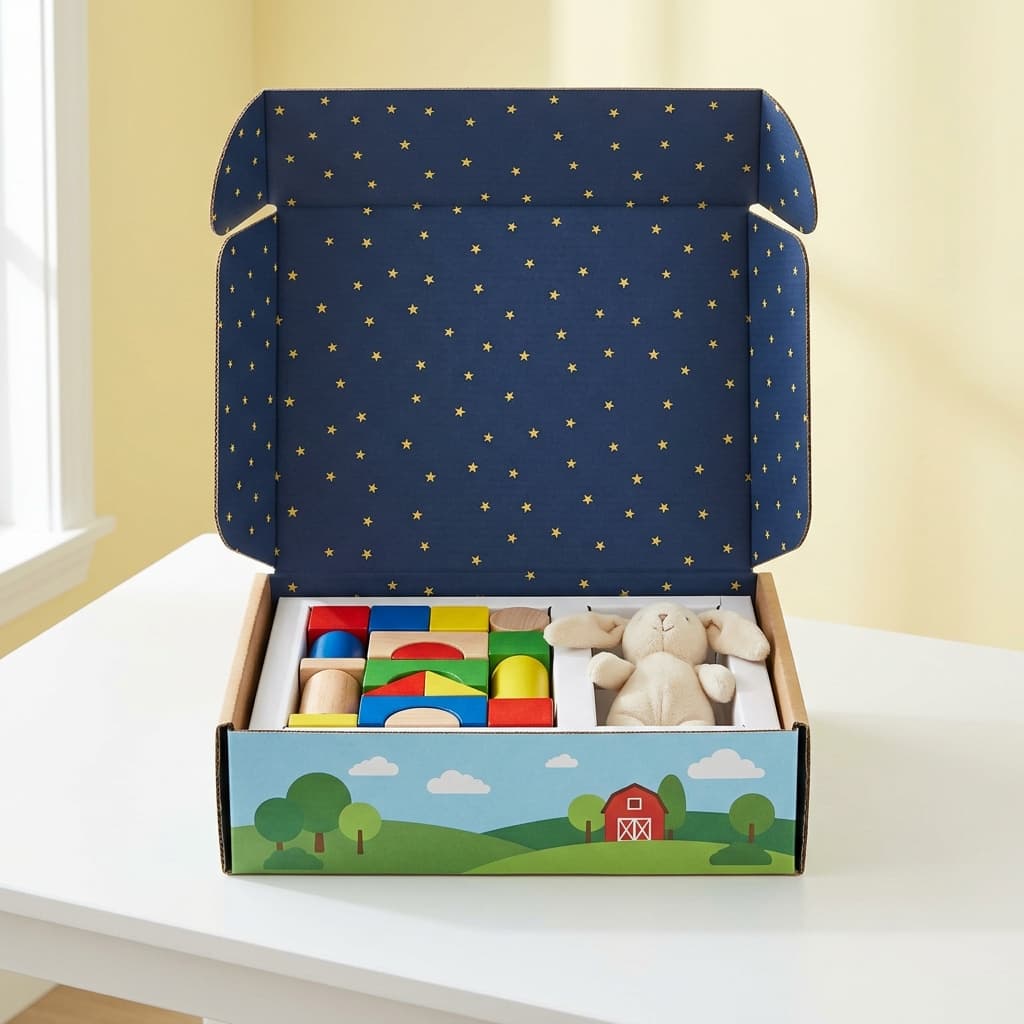
Mailer Boxes
Sturdy, self-locking corrugated mailers built for memorable deliveries.
Explore box style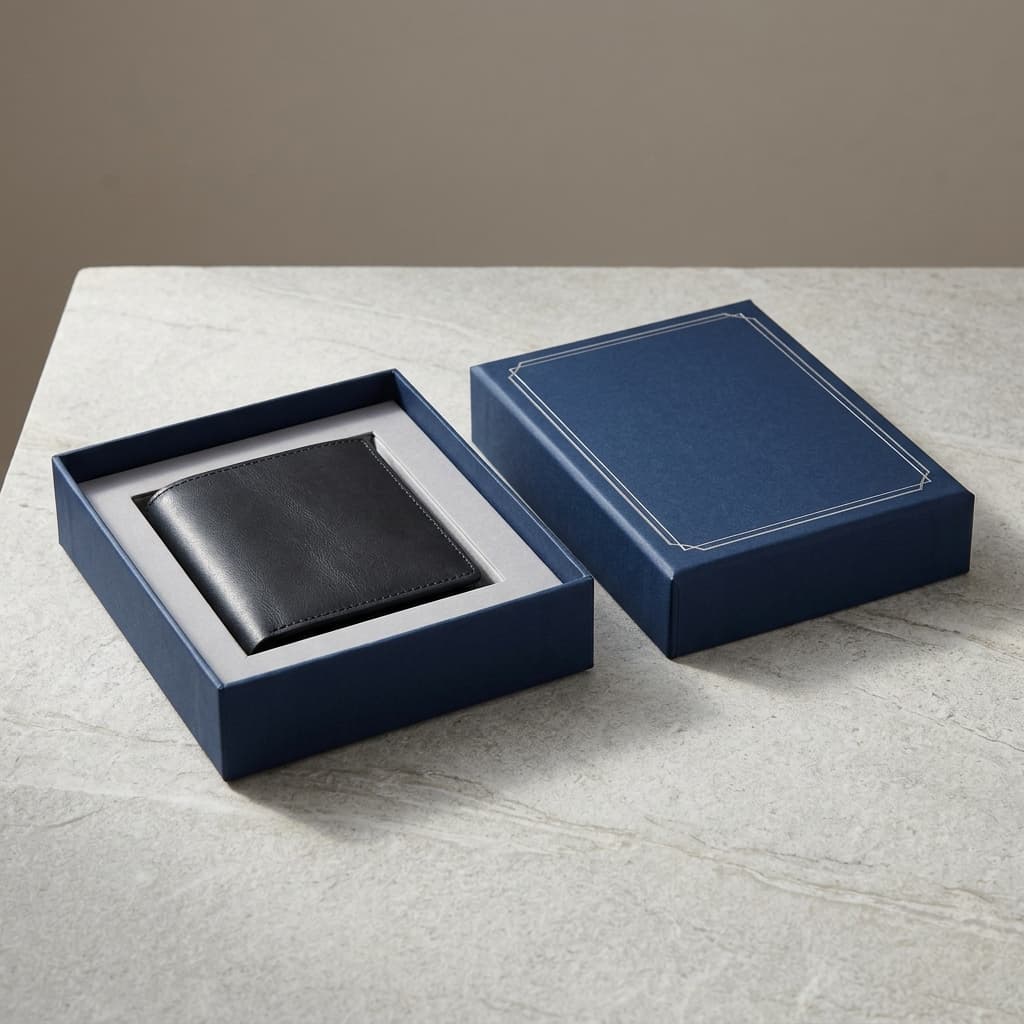
Rigid Boxes
Luxury two-piece and magnetic boxes with a substantial, keepsake feel.
Explore box style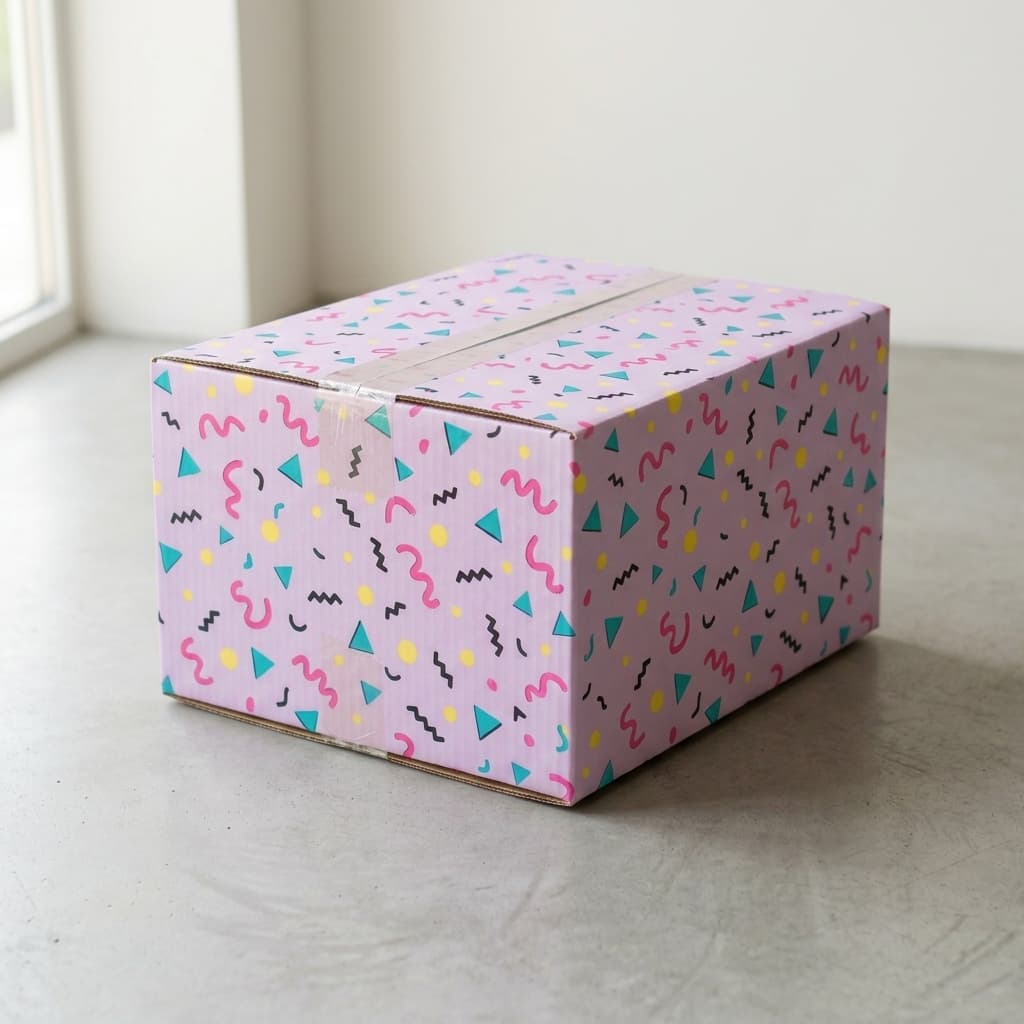
Shipping Boxes
Right-sized corrugated shipping boxes made for protection and efficient transit.
Explore box styleQuestions about apparel boxes.
Box style FAQsWe’ll confirm the exact details that apply to your structure and volume.
Read all frequently asked questionsCan you add a shirt board or card insert to an apparel box?+
Yes, and for shirts, knitwear and structured pieces we recommend one. A card insert keeps the fold flat, holds a collar in shape and stops the garment sliding into a corner, and it gives your packers a standard fold to work to. We size the box around the folded garment on its board.
Can you make a box for a wedding dress or long gown?+
Yes. We make long, wide, shallow boxes sized so the gown folds as few times as possible, and we can add a window so the dress can be seen without opening the box. Send us the measurements of the gown folded with its tissue, including the train and skirt, and we size the box to fit. For long storage, line it with acid-free tissue.
Which apparel box works for scarves, ties or belts?+
Small accessories suit slim, shallow boxes: a drawer box or a two-piece rigid box for gifts, or a shallow mailer for posting. We can add a simple insert that keeps a coiled belt or rolled tie from unwinding and holds the item centred when the lid lifts, while scarves sit folded flat in tissue.
Can one apparel box serve different sizes and colours?+
Yes. We keep the box design general and you mark each variant with a small label or sticker on the end or base, so one printed box carries every size and colour in a style and your stock stays simple. We size the box for the largest size in the range, and a little tissue keeps the smallest neatly in place.
Start with a free recommendation
Get pricing