

 Made to your size
- 100 boxes
- Custom sizes & styles
- Free dieline support
- Quality print options
- Proof before production
- 8–12 business day production
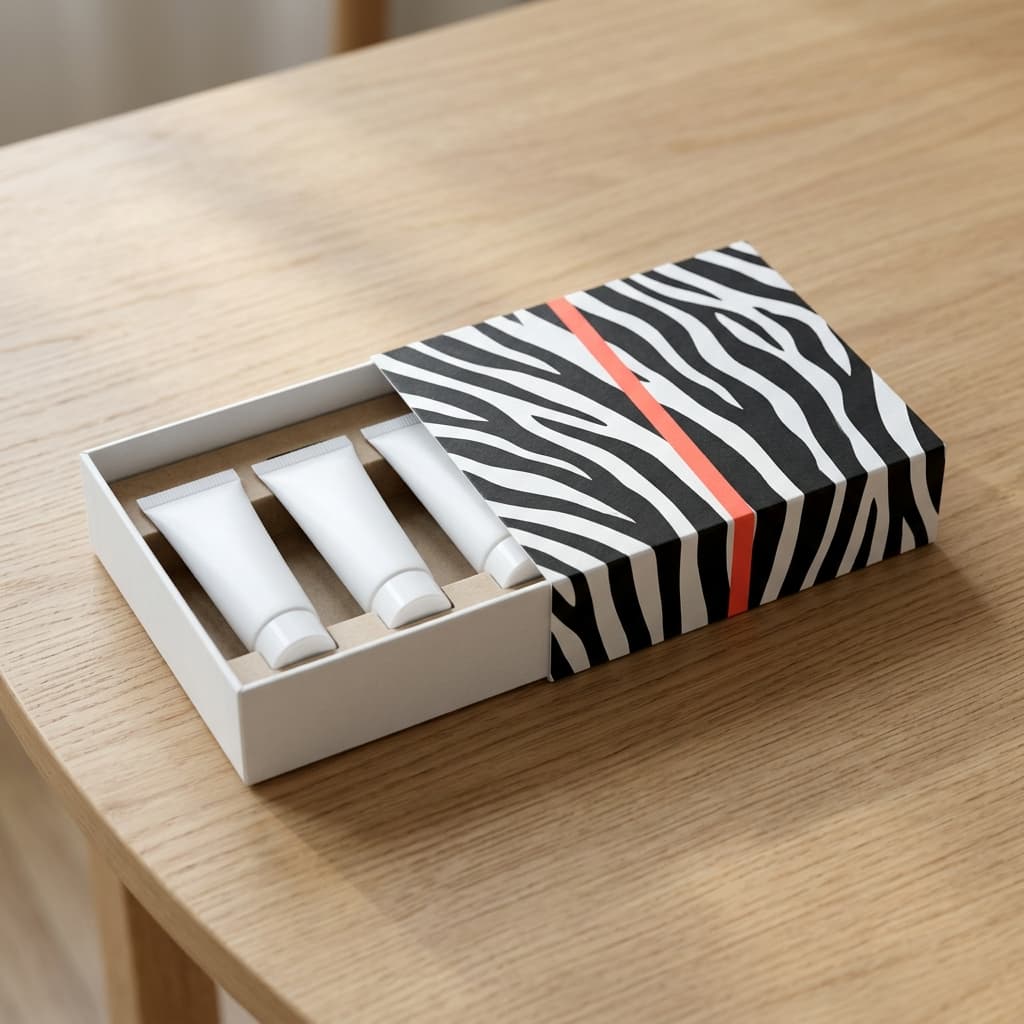
A sleeve is a band of board that slides over a tray or a rigid base. It lets a brand keep one structural format and change only the printed sleeve for each product, season or campaign, which keeps tooling costs down and storage simple. Sleeves also give a two-stage opening that feels considered without adding a lid mechanism.
One box, many looks
Custom Sleeve Boxes
✓Clear proofing before productionSee our process
Get a free quote
Tell us what you are packing and we’ll reply with practical options.
Product features
Built around the jobTwo-stage opening
Low tooling per variant
Ships flat
Short or long-side opening
Thumb notch or pull tab
Printed inside of sleeve
One tray for a whole range
Specifications made for your product.
Technical snapshotEvery final specification is confirmed against product weight, packing method, print coverage, route, and order volume.
View artwork preparation guide- SKU
- bm-1015
- Dimensions
- Custom-made around the product and packing workflow
- Materials
- SBS paperboard, Uncoated paperboard, Recycled kraft
- Printing
- CMYK, Pantone, white ink, or unprinted
- Finishes
- Matte, gloss, soft-touch, foil, embossing, spot UV
- Quantities
- Starting at 100 on selected configurations
- Proofing
- Dieline and digital proof
Change the sleeve, keep the box.
Artwork and materialsA sleeve carries all the print, while the tray underneath stays plain. That lets each product, season or campaign have its own design on one structure. Our packaging guides cover sizing, materials, print, and cost in more depth.
Sleeve faces, inside and seam
We set your artwork on the flat sleeve dieline, keeping logos and text away from the glued seam. The inside of the sleeve can carry a colour or short line that shows as the tray slides out.
Explore print and finishesSBS, uncoated or recycled kraft
SBS gives a smooth, bright face that slides well and prints sharply. Uncoated board feels natural and softens detail, and recycled kraft warms every colour. A varnish or laminate protects the print each time the sleeve slides.
Explore material decisionsChoose your box
Tell us the products in your range and the tray or box the sleeve slides over.
Request a quote
We recommend the sleeve board, opening side and finish, and how one tray covers the range.
Finalize the order
Confirm the tray, sleeve board, finish, thumb notch or pull tab, and quantities per design.
Build the dieline
We draw the sleeve to clear your tray by a small, deliberate margin all round.
Approve the proof
Review each sleeve design, the seam position, inside print and the thumb notch on the proof.
Roll on production
Your sleeves and trays are printed, cut, glued, checked for fit and packed flat.
Best for
Product rangesSeasonal editionsGift setsRetail displaysBuyer guidance
Choosing this format
A band of board over a tray
A sleeve is a band of paperboard with one glued seam, open at both ends, that slides over a tray or box.
It is cut and creased from one flat sheet, glued once, and shipped folded flat. Opened up, it is a four-sided tube with no top or bottom.
The sleeve carries the print and not the weight. The tray or box underneath does the holding, which is why a sleeve can be thin board while the structure it covers stays plain and unprinted.
- One flat sheet, one glued seam
- Open at both ends, no lid or base
- Print on the sleeve, strength in the tray
Board for a band that has to slide
A sleeve needs enough stiffness to keep its shape and enough smoothness to move over the tray without catching.
SBS paperboard has a smooth, bright face that takes sharp print and slides well. Uncoated board feels more natural and absorbs ink, which softens fine detail, and recycled kraft is brown and shifts every printed colour darker.
Board that is too thin sags and gets creased by handling, so the sleeve stops looking like a band. Board that is too thick resists the folds, cracks along the creases and makes the fit tighter than intended.
Sizing a sleeve that slides
A sleeve that is too tight sticks and tears. One that is too loose slides off before the customer gets there.
The sleeve must clear the tray by a small, deliberate margin all round, which should account for the tray's wall thickness and any wrap paper. Measure the tray at its widest point, not the flat size on the drawing.
Send us the tray's measurements and we draw the sleeve around them, so you can check the fit on the dieline and digital proof. A sleeve is the format where a one millimetre error is felt every time it is used, and it is much easier to correct before production.
Sleeve or fully printed box?
Choose a sleeve when many products share one structure, and a printed box when each product needs its own.
With a sleeve, the tray or rigid base stays identical across a range and only the sleeve changes for each product, season or campaign. That cuts tooling and storage, because plain trays are held in one pile and the sleeves are the only stock that changes.
A fully printed folding carton or rigid box gives more control over every surface, including the inside. A belly band sits between the two: it is smaller and cheaper than a sleeve, but covers only part of the pack.
Print that survives being slid
A sleeve is handled and rubbed every time it is opened, so the surface takes more wear than most cartons.
Printing is done on the flat sheet, so seam position matters: keep logos and text away from the glued edge, because the overlap can interrupt a design. Large flat colour also shows scuffs more than pattern does.
A varnish or a laminate protects the ink against friction from the tray. Laminate lasts longer but is harder to recycle, so tell us how many times the sleeve will be taken on and off, and we suggest the one that suits it.
Sleeve box or magnetic box?
A sleeve is the pick for a light, two-stage reveal over a tray. A magnetic box is the pick when the lid has to stay shut on its own.
A sleeve does not lock anything shut, so it is a presentation layer and not a closure. If the tray underneath can open on its own, a knock in transit can slip the sleeve and spill the contents. It needs an outer carton or a shipper to travel, and it offers no tamper evidence unless it is glued or sealed, while a magnetic box holds its lid closed without help.
It also suits only a limited range of shapes. Tall, heavy or irregular products need a structure that grips the contents, and a band of board around them will not do that.
Related packaging formats
Compare your options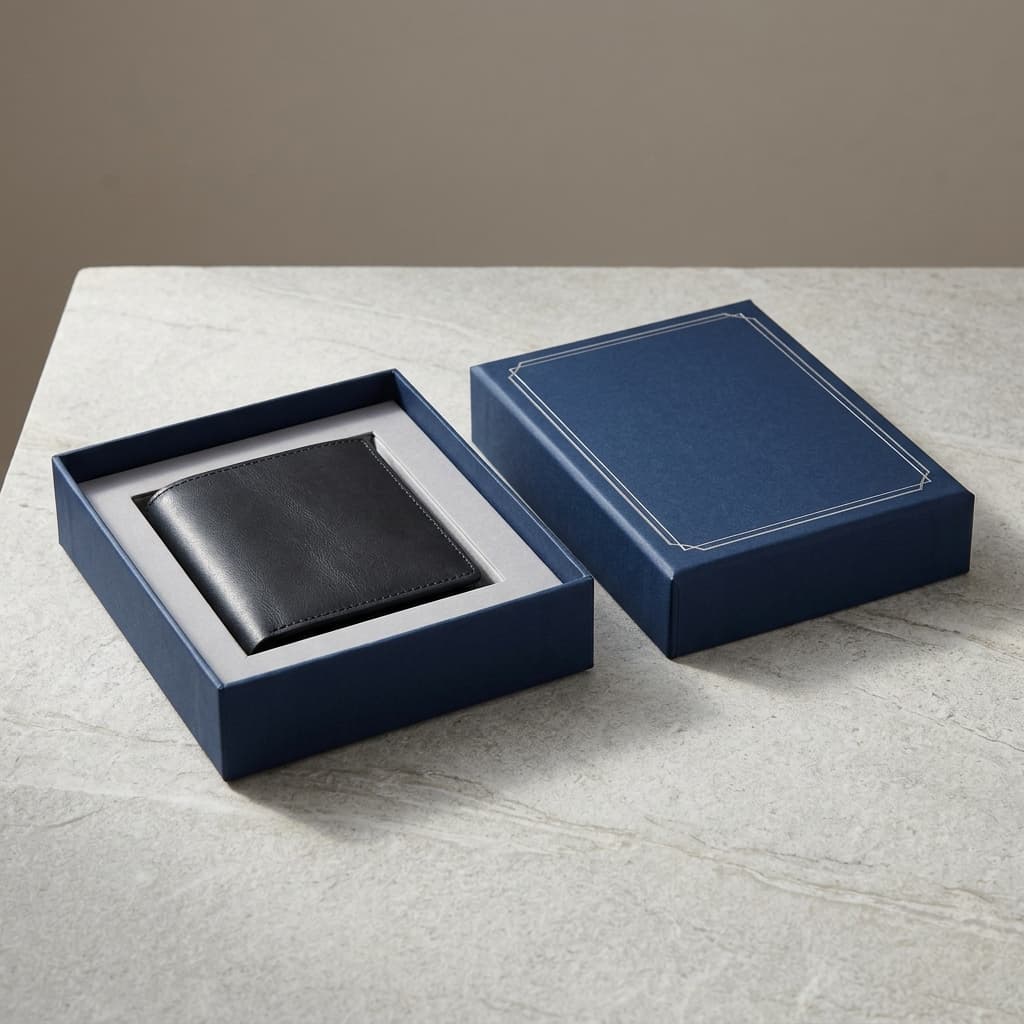
Rigid Boxes
Luxury two-piece and magnetic boxes with a substantial, keepsake feel.
Explore box style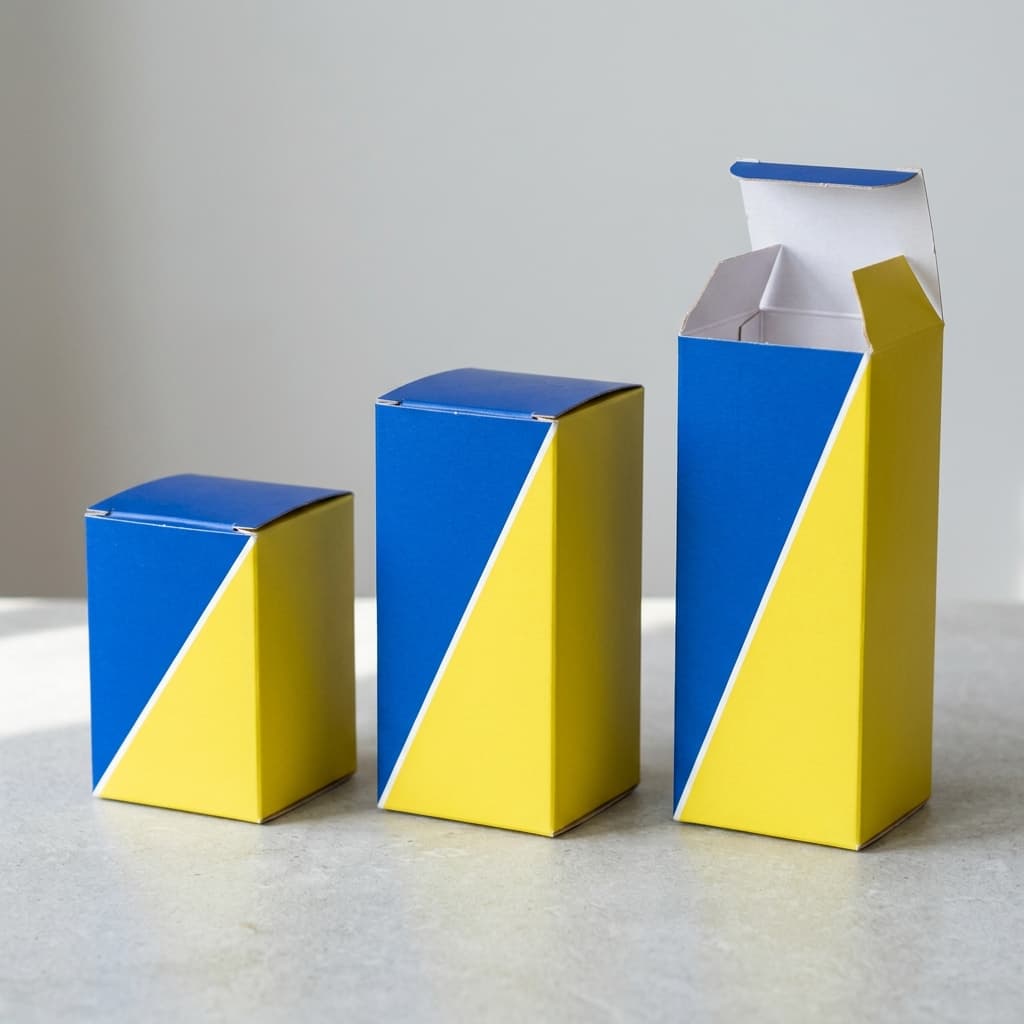
Folding Cartons
Lightweight printed cartons with crisp color, structure, and shelf appeal.
Explore box style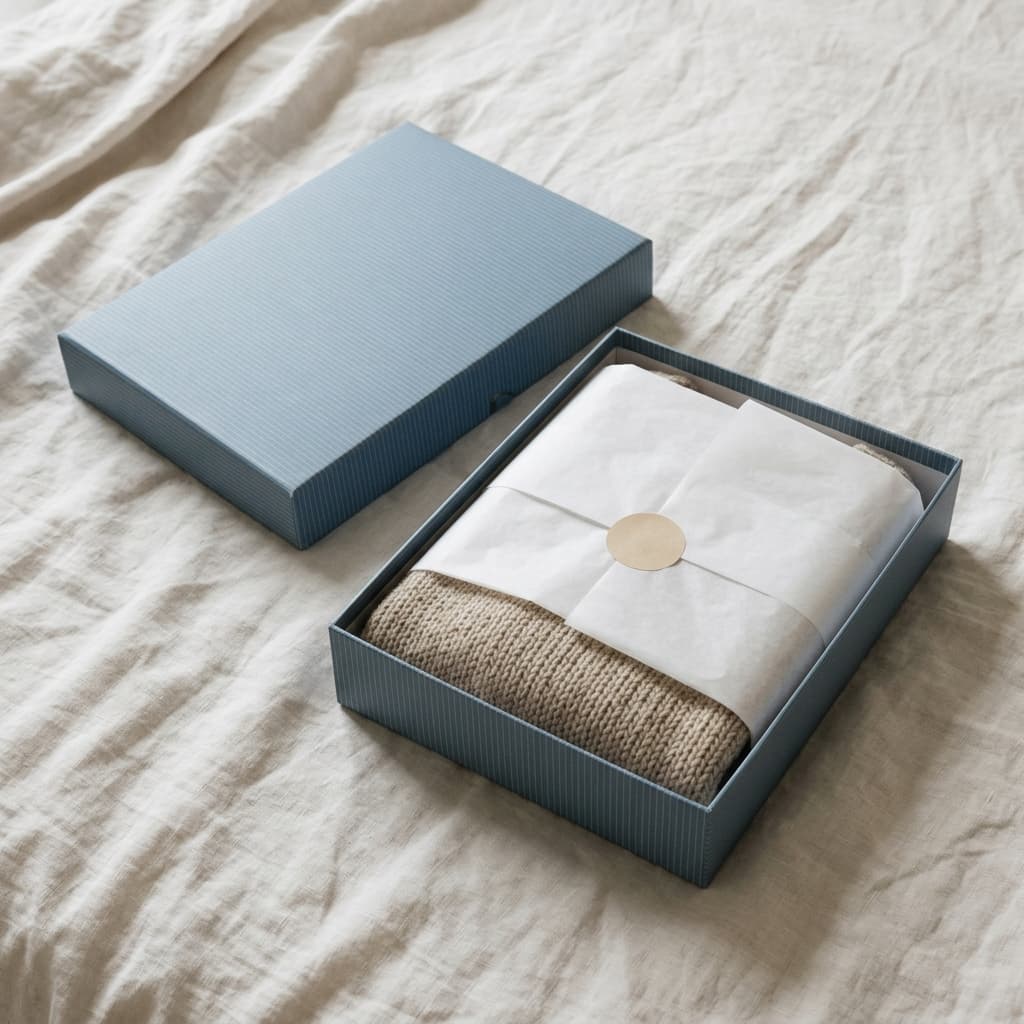
Apparel Boxes
Premium apparel packaging made for folds, reveals, and repeat use.
Explore box styleQuestions about sleeve boxes.
Box style FAQsWe’ll confirm the exact details that apply to your structure and volume.
Read all frequently asked questionsShould a sleeve slide off the short side or the long side of the tray?+
We usually open sleeves on the short sides, so the tray slides out lengthways like a matchbox drawer. That gives the shortest pull and stops the sleeve twisting. For wide, shallow products such as scarves or chocolate bars, we can open it on the long sides to show more of the tray at once, and we use a stiffer board so the longer edge keeps its shape.
Can a sleeve box have a thumb cut or a pull tab?+
Yes, and we recommend one on a snug sleeve so the tray is easy to push out. We can cut a half-moon thumb notch on the open edge, so a finger pushes the tray through from the other end. If you would rather keep the artwork whole, we can fix a ribbon or card pull tab to the end of the tray instead.
Can one tray take sleeves for every product in a range?+
Yes, and that is one of the best reasons to choose a sleeve box. We keep one tray size and print a different sleeve for each product. If the products differ in height or shape, we change the insert inside while the outer size stays the same. Send us the measurements of every product in the range and we size one tray to suit them all.
Can the inside of a sleeve be printed?+
Yes. We print the sleeve flat before it is glued, so the inside can carry a colour, a pattern or a short line. It shows at the open ends and as the tray slides out, so we suggest simple artwork there. Because the inside rubs against the tray each time it opens, we can add a varnish over it to keep the print looking fresh.
Can a sleeve and tray be recycled together?+
Yes. When we make both the sleeve and the tray from paperboard, they go into paper recycling together without being separated. Plastic lamination and heavy foil make that harder, so if a recycling message matters to your brand, we recommend an unlaminated sleeve with a varnish finish. A rigid tray wrapped in paper is built to be kept and reused rather than recycled straight away.
Start with a free recommendation
Get pricing