

 Made to your size
- 100 boxes
- Custom sizes & styles
- Free dieline support
- Quality print options
- Proof before production
- 8–12 business day production
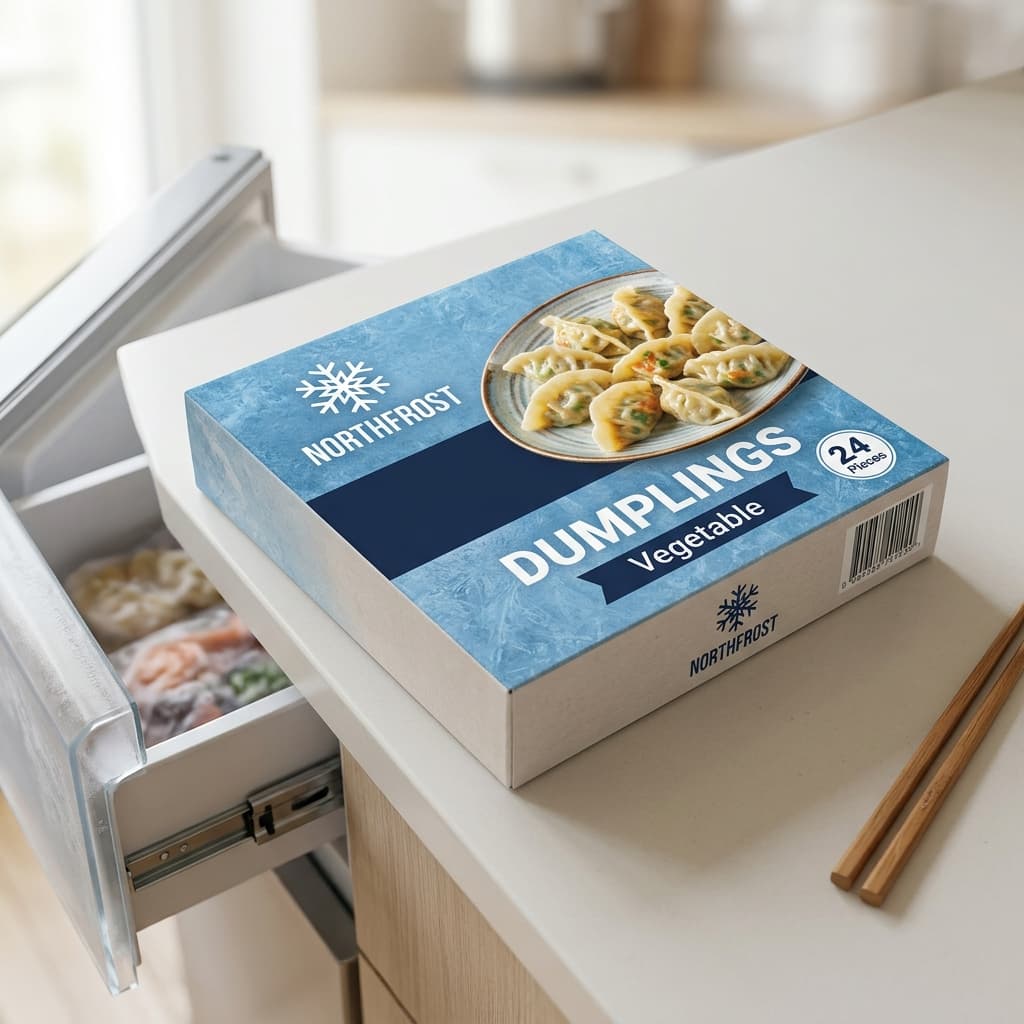
Frozen food boxes have to survive conditions that ruin ordinary cartons: freezing, frost, condensation when they are taken out, and stacking in cold stores. They are usually made from coated or wet-strength board so they keep their shape and print when damp. Common formats include sleeve-and-tray meals, tuck-end cartons for pizza and desserts, and corrugated outers for frozen delivery.
Built for the freezer aisle
Custom Frozen Food Boxes
✓Clear proofing before productionSee our process
Get a free quote
Tell us what you are packing and we’ll reply with practical options.
Product features
Built around the jobWet-strength board options
Freezer-grade adhesives
Stack strength in cold stores
Sleeve-and-tray meal packs
Glued end flaps
Tear strip with tuck flap
Shallow pizza cartons
Specifications made for your product.
Technical snapshotEvery final specification is confirmed against product weight, packing method, print coverage, route, and order volume.
View artwork preparation guide- SKU
- bm-1092
- Dimensions
- Custom-made around the product and packing workflow
- Materials
- Poly- or aqueous-coated SBS board, Wet-strength boxboard, Corrugated with moisture-resistant liners
- Printing
- CMYK, Pantone, white ink, or unprinted
- Finishes
- Matte, gloss, soft-touch, foil, embossing, spot UV
- Quantities
- Starting at 100 on selected configurations
- Proofing
- Dieline and digital proof
Print that holds up in the freezer.
Artwork and materialsArtwork covers the carton faces or the sleeve over a meal tray. What matters most is rub-resistant print and coatings that keep the design sharp through frost and condensation. Our packaging guides cover sizing, materials, print, and cost in more depth.
Carton faces and meal sleeves
We set your design across the carton faces or the printed sleeve that slips over a meal tray, and keep cooking instructions and pack details on panels clear of glued flaps and tear strips.
Explore print and finishesCoated and wet-strength board
Coated SBS keeps colour bright and resists damp, wet-strength boxboard holds its shape in a stack, and corrugated with moisture-resistant liners suits delivery outers. Rub-resistant print stays sharp in a crowded freezer.
Explore material decisionsChoose your box
Choose a sleeve-and-tray meal pack, tuck-end carton, shallow pizza carton or delivery outer.
Request a quote
Send us your wrapped product size and how it is stored and stacked, for a recommendation.
Finalize the order
Approve the board, coating, closure, tear strip and quantities for each product before we start.
Build the dieline
We draw the carton around your wrapped product, with glued flaps or a tear strip in place.
Approve the proof
Check every panel, the cooking instructions and closure areas on your digital proof before we print.
Roll on production
We print, cut and glue your frozen food cartons with freezer-grade adhesive, then check and pack them.
Best for
Ready mealsFrozen pizza and dessertsSeafood and meatFrozen meal deliveryWhat changes the price.
Cost factorsEvery project is quoted individually. These are the choices that move the price on almost every order.
- Coating
- Moisture-resistant coatings and wet-strength board cost more than standard dry-goods board.
- Adhesive
- Glues that hold at freezer temperatures are a different grade from standard carton glue.
- Oven or microwave use
- Trays meant to be heated in need board and coatings rated for it.
- Size
- Family packs and multipacks use more board and need more stack strength.
Buyer guidance
Choosing this format
What cold does to a cardboard box
Freezing is not the problem - the moisture from frost and condensation is, because wet board loses its strength.
When a box comes out of a freezer, warmer air condenses on it. Plain board soaks that up, softens and can tear or collapse in a stack. Frozen food cartons use a moisture-resistant coating, wet-strength board, or both, so they stay firm through cycles of cold and damp.
Print and varnish also need to cope with the cold without cracking or rubbing off in a crowded freezer bag.
- Coated or wet-strength board
- Freezer-grade glue on the seams
- Rub-resistant print
Glue that holds at freezer temperatures
Ordinary carton glue can turn brittle in the cold and let the seams spring open.
Frozen cartons are usually sealed with adhesives made for low temperatures. A box that looks fine at room temperature can still fail on the freezer shelf, which is why we glue our frozen food cartons with a freezer-grade adhesive.
Sleeve and tray, carton, or delivery outer?
Ready meals often use a printed sleeve over a tray; pizza and desserts use a tuck-end carton; delivery uses insulated corrugated.
A printed sleeve over a sealed plastic or board tray lets the meal go straight into an oven or microwave once the sleeve is slipped off. If the tray itself is board and is meant to be heated, it needs to be rated for that, so tell us how it will be cooked and we choose the board around it.
Frozen food sent to homes usually travels in corrugated boxes with insulation and ice packs, where the outer box mainly needs to resist damp. Anything that touches the food also needs a board and coating suitable for food contact.
Related packaging formats
Compare your options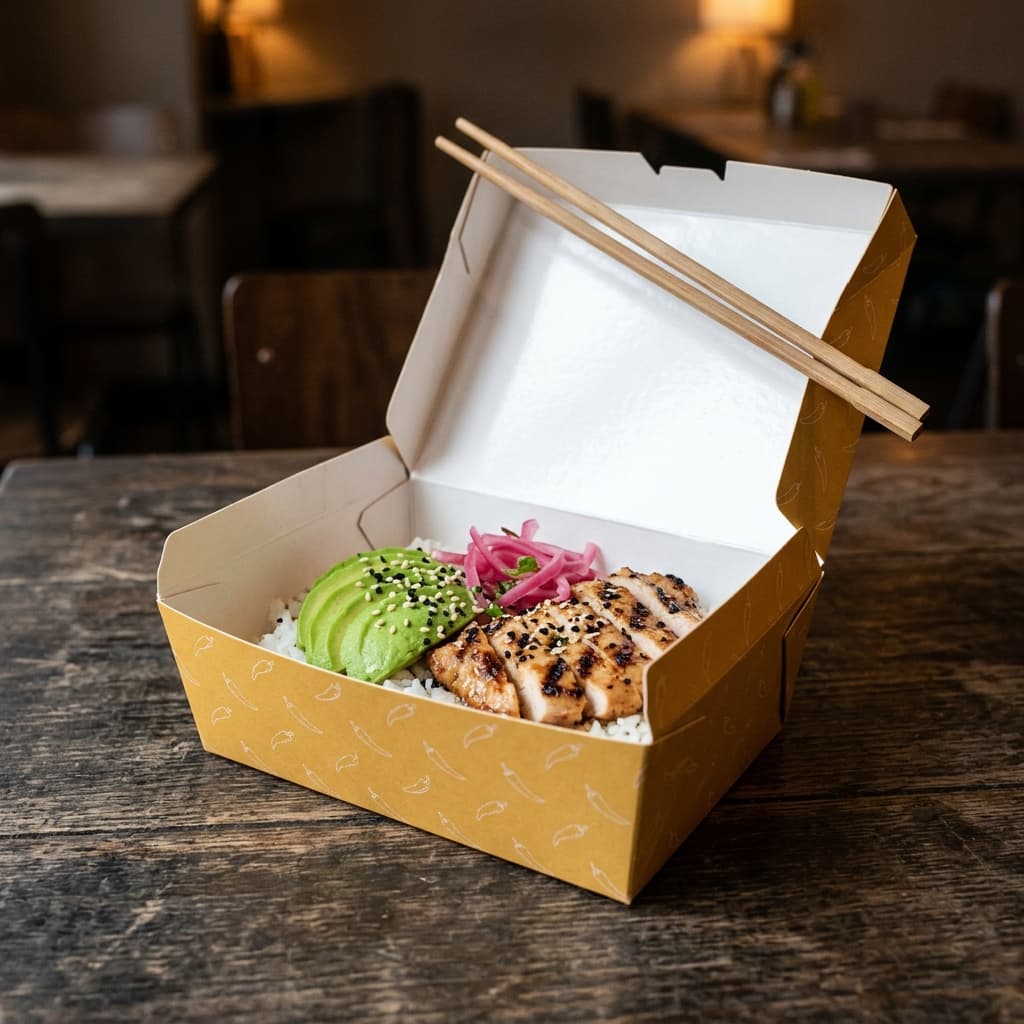
Food Boxes
Thoughtful cartons, sleeves, and carry boxes for food and beverage brands.
Explore box style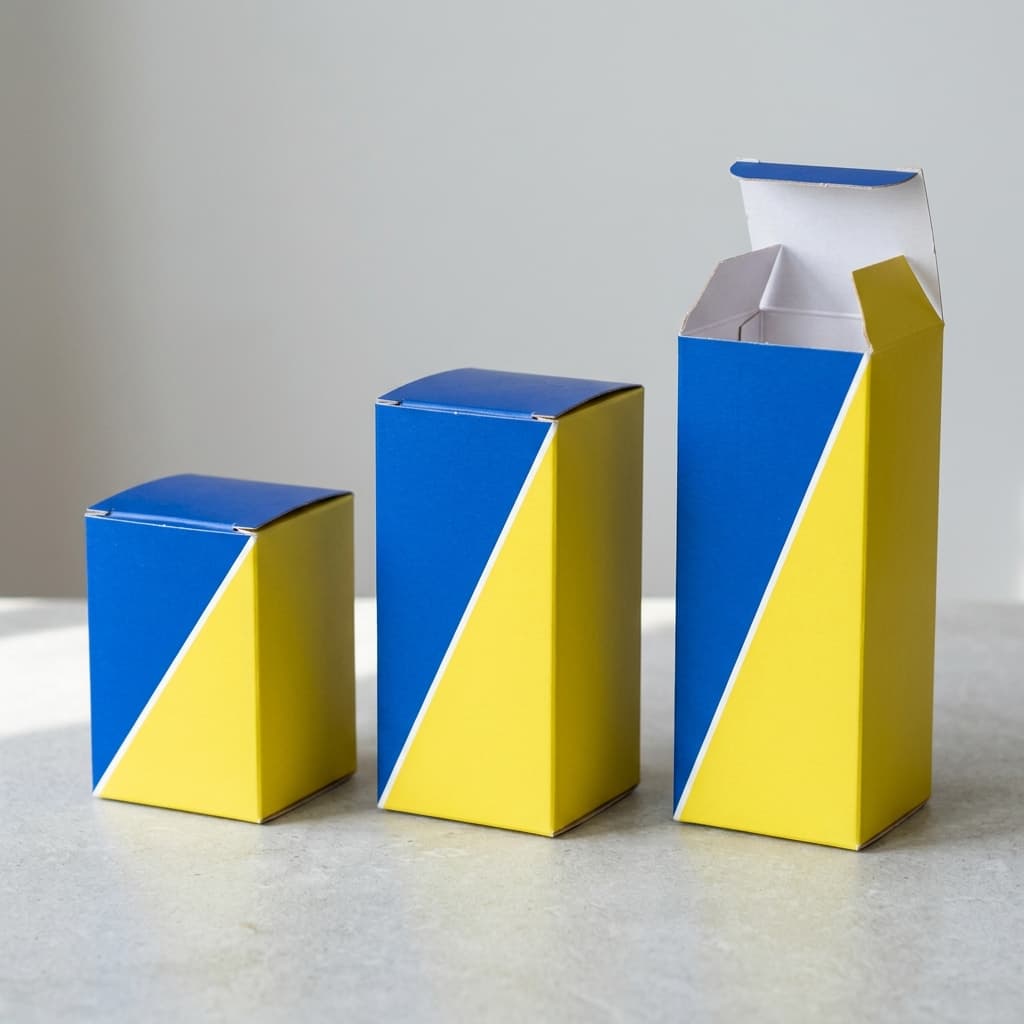
Folding Cartons
Lightweight printed cartons with crisp color, structure, and shelf appeal.
Explore box style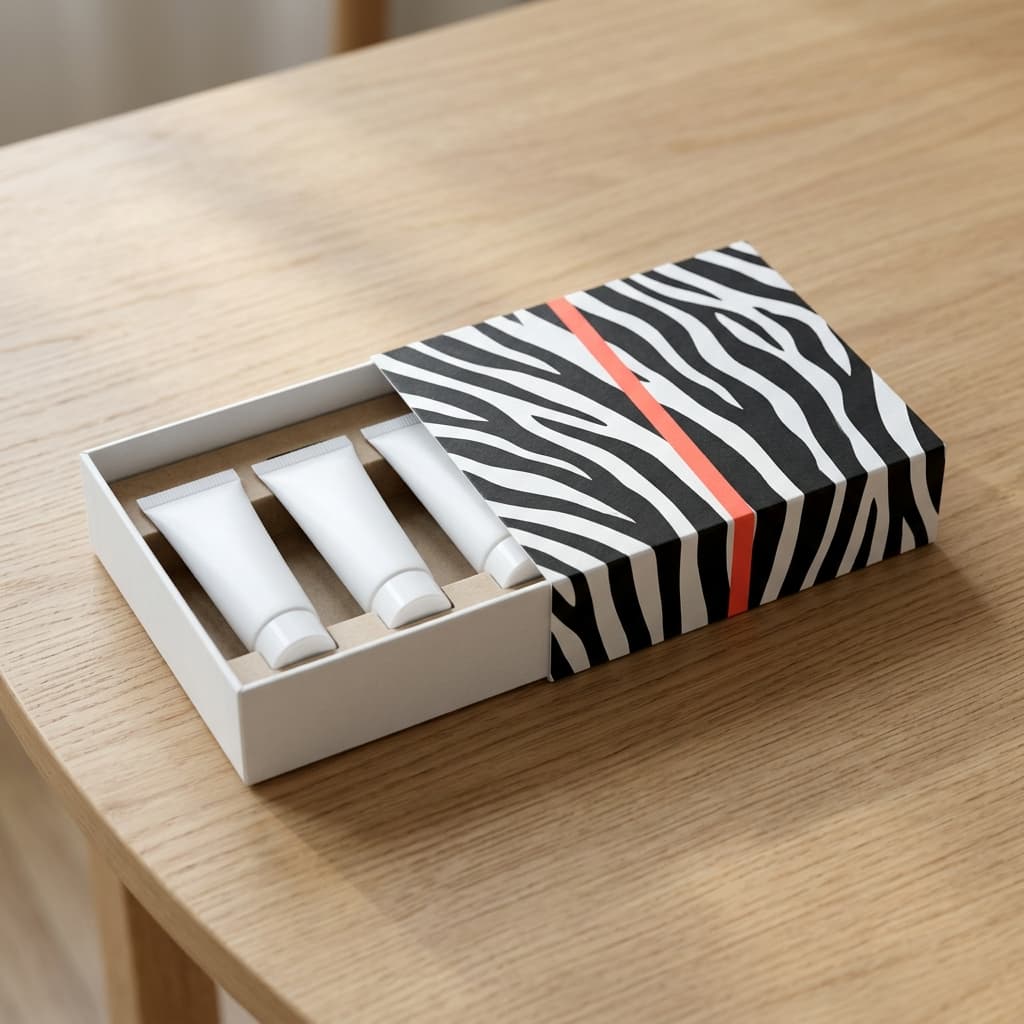
Sleeve Boxes
A printed sleeve over a plain tray or box, so one structure serves a whole range.
Explore box styleQuestions about frozen food boxes.
Box style FAQsWe’ll confirm the exact details that apply to your structure and volume.
Read all frequently asked questionsShould frozen food be wrapped before it goes in the carton?+
Yes, in most cases. Our frozen food cartons are made to hold up to frost and condensation, but paperboard is not an air barrier, so products usually go in a film bag, a sealed tray or a wrap first. That keeps freezer burn and smells away from the food, while the carton protects it and sells it.
How do you size a frozen pizza box?+
Send us the pizza measured on its card circle after it has been wrapped, since the base and the film both add to the size. We leave a few millimetres around the edge so it slides in without catching, and keep the box shallow so the pizza cannot move up and down. Thick toppings or a deep crust set the depth.
Which closure works best on a frozen food carton?+
Glued end flaps are the most secure, and they show if the pack has been opened. Tuck ends are easier to reclose. For products used over several meals, such as fish fingers or frozen fruit, we recommend a tear strip with a tuck flap, which gives a clean first opening and still recloses after every use.
Will a frozen food carton hold up when stacked?+
Yes. We make frozen food cartons from coated or wet-strength board, because board is at its weakest when it is damp, not when it is dry. That keeps cartons firm in tall cold-store stacks and delivery cages as they pick up frost and condensation. Tell us how high your cartons are stacked, and we choose the board for that load.
Can frozen food cartons be made recyclable?+
Yes. We can use a water-based coating, made to break down in paper recycling, instead of a plastic coating. A lighter coating gives a little less protection against damp, so we match it to how long the carton spends in the freezer and how wet it gets. Tell us about your product and we recommend the right balance.
Start with a free recommendation
Get pricing