

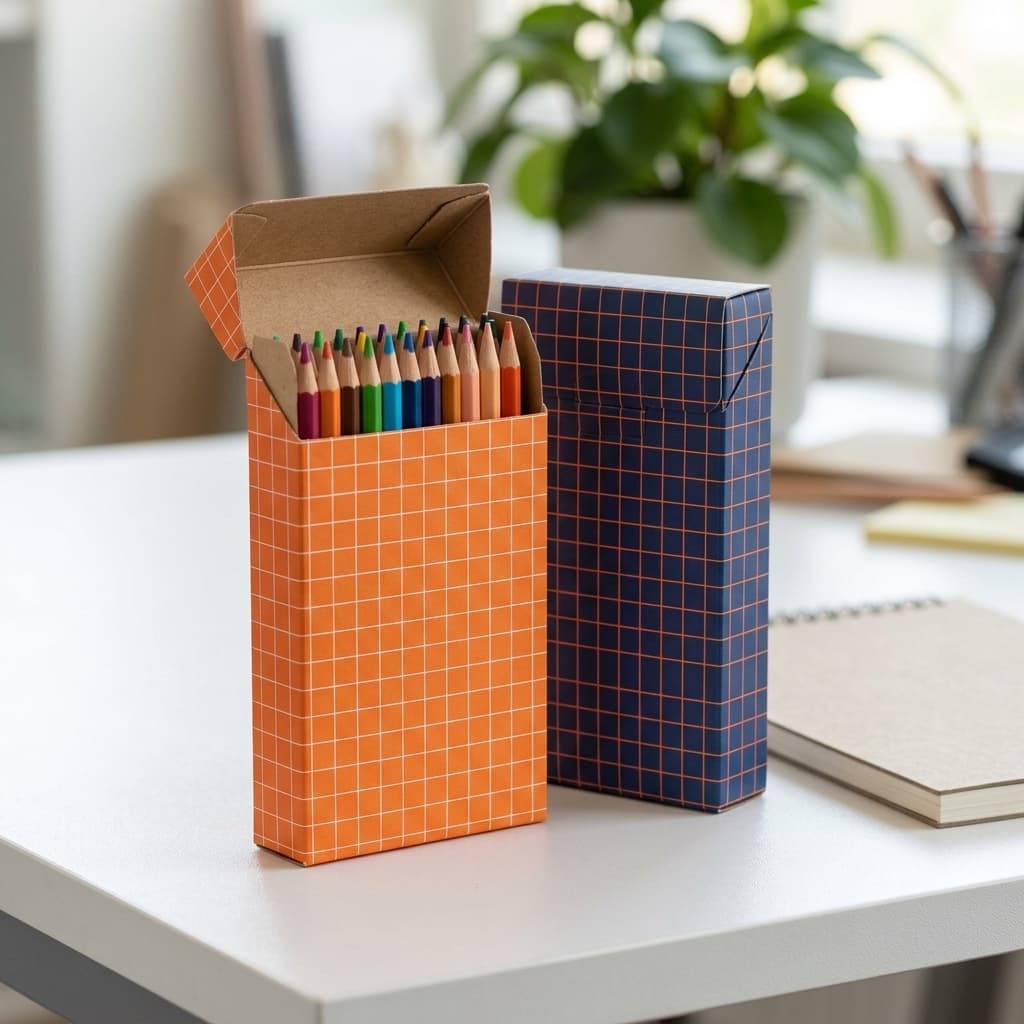
 Made to your size
- 100 boxes
- Custom sizes & styles
- Free dieline support
- Quality print options
- Proof before production
- 8–12 business day production
Flip-top boxes keep the lid attached on a hinge, so the box can be opened one-handed and closed again without hunting for a lid. That makes them right for products used repeatedly rather than unboxed once: supplements, confectionery, cards, small tools and refills.
One-handed opening
Flip Top Boxes
✓Clear proofing before productionSee our process
Get a free quote
Tell us what you are packing and we’ll reply with practical options.
Product features
Built around the jobRepeat opening
Tuck or magnet catch
Ships flat
Perforated tear strip seal
Paperboard or rigid build
Thumb notch opening
Card deck and blister sizing
Specifications made for your product.
Technical snapshotEvery final specification is confirmed against product weight, packing method, print coverage, route, and order volume.
View artwork preparation guide- SKU
- bm-1023
- Dimensions
- Custom-made around the product and packing workflow
- Materials
- SBS paperboard, Rigid board, Recycled kraft
- Printing
- CMYK, Pantone, white ink, or unprinted
- Finishes
- Matte, gloss, soft-touch, foil, embossing, spot UV
- Quantities
- Starting at 100 on selected configurations
- Proofing
- Dieline and digital proof
Built to be opened again and again.
Artwork and materialsA flip top box is handled every time it opens, so artwork on the lid, front edge and hinge must stand up to use. The inside is a useful place for instructions. Our packaging guides cover sizing, materials, print, and cost in more depth.
Lid, front edge and inside
We set your artwork on the flat blank or rigid wrap, with the hinge crease and thumb notch marked. Instructions or a message can go inside the box, where repeated opening never wears them.
Explore print and finishesSBS, rigid board or kraft
SBS gives sharp colour for products sold in volume, rigid board gives a firmer feel for refills and collectors, and recycled kraft adds a natural look. A matt or scuff-resistant varnish keeps the hinge and edges looking fresh.
Explore material decisionsChoose your box
Tell us the product, its size and how often your customer will open the box.
Request a quote
We recommend a paperboard or rigid build, the catch and any tear strip or seal for your product.
Finalize the order
Confirm the build, board, catch, thumb notch, seal, print and the quantity you need.
Build the dieline
We draw the box around your product, with the hinge, lid depth and thumb notch set.
Approve the proof
Review the lid, front edge, hinge area, inside print and any seal placement on the proof.
Roll on production
Your flip top boxes are printed, cut, folded or wrapped, checked for a clean close and packed.
Best for
SupplementsConfectioneryCards and gamesRefillable productsBuyer guidance
Choosing this format
The hinge that keeps the lid attached
A body with a lid hinged to its back panel, so the lid swings open and stays attached.
In paperboard, the whole box is one die-cut blank. The hinge is simply a crease in the board between the back panel and the lid, and the box ships flat and is glued or folded up at packing.
Rigid versions are built from thick board with a wrapped hinge, and take more labour to make. Either way, the lid is part of the box, which is the point: nothing is set down and lost.
- Paperboard: one blank, hinge is a scored crease
- Rigid: wrapped board, hinge is the wrap
- Lid cannot be mislaid
Tuck catch or magnet catch?
A tuck catch holds the lid with a paperboard tongue. A magnet holds it with a pull.
A tuck tongue is formed from the same board, so it adds no parts and suits paperboard boxes sold in volume. It wears with repeated opening, and the tongue gradually loses its grip.
A magnet gives a clean close that does not wear, but it needs board thick enough to hold it, which usually means a rigid box. It also adds cost, and should be kept away from products that are sensitive to magnets.
- Tuck: no extra parts, wears with use
- Magnet: holds firmly, needs rigid board, adds cost
Lid depth, thumb notch and contents
A flip top is opened over and over, so the lid and the opening need to suit the hand and the product.
A shallow lid shows more of the contents and is easy to flip. A deep lid protects more but can catch on the product as it opens. A thumb notch or a small gap on the front edge gives a finger somewhere to grip.
Size the interior around the product plus a little clearance for removal. Contents that sit loose, such as sweets or cards, need a snug fit so they do not spill when the lid opens. Send us the product's measurements and we size the interior and the thumb notch around it.
Flip top or tuck-end carton?
A tuck-end carton is cheaper and usually opened once. A flip top is made for products that are opened many times.
A tuck-end carton closes with flaps at both ends and tends to get torn or crumpled on the first opening. It suits single-use and sealed products, and costs less per unit.
A flip top opens and shuts without damage, so it suits supplements, refills and anything kept in the box. The hinge and lid add some board and assembly, and the box can be harder to seal for tamper evidence.
Surfaces that get opened a hundred times
Repeated opening works on the hinge crease, and a surface that cracks there will look worn within weeks.
Dark solid ink and heavy coating crack along a hinge crease as the board flexes, and the white board shows through. Lighter colours, a matt varnish or a flexible film coating hide the wear better, and the crease can be placed with that in mind.
The front edge and the lid corners take the handling, so scuff-resistant varnish pays off there. Inside print is unaffected by wear and makes a useful place for instructions or a message.
Flip top box on its own, or with a seal?
A flip top on its own is the pick for dry goods that are opened often. A flip top with a sealed inner pack or a seal sticker is the pick when the contents must stay fresh or show they have not been opened.
A flip top reseals loosely. The lid closes against board, not a gasket, so it does not keep air or moisture out. Goods that must stay dry or fresh need an inner pouch or liner, and loose powders and liquids need a sealed inner pack, with the flip top acting only as the outer shell.
It is also not child-resistant or tamper-evident by itself. A printed seal sticker across the lid shows the box has not been opened, and if your product must be child-resistant, tell us before we quote, because a flip top alone does not provide that.
Related packaging formats
Compare your options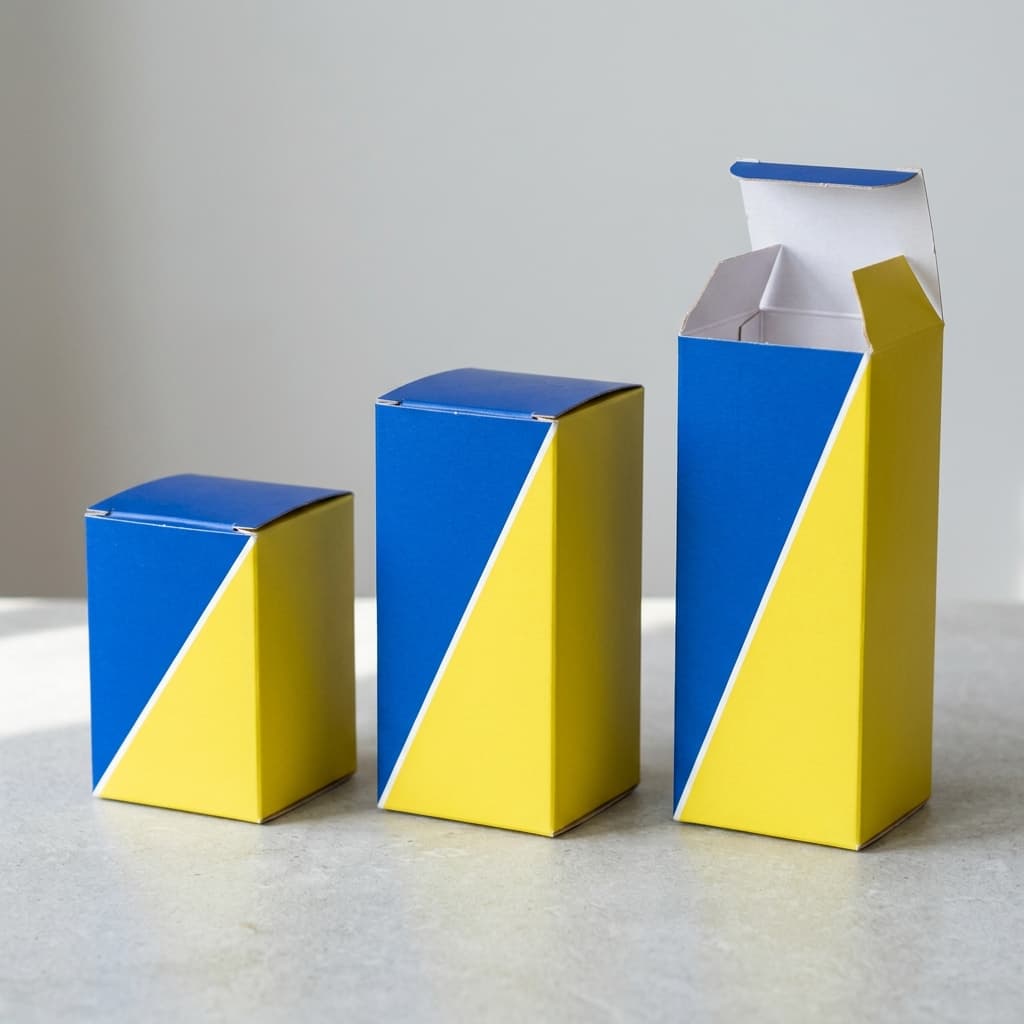
Folding Cartons
Lightweight printed cartons with crisp color, structure, and shelf appeal.
Explore box style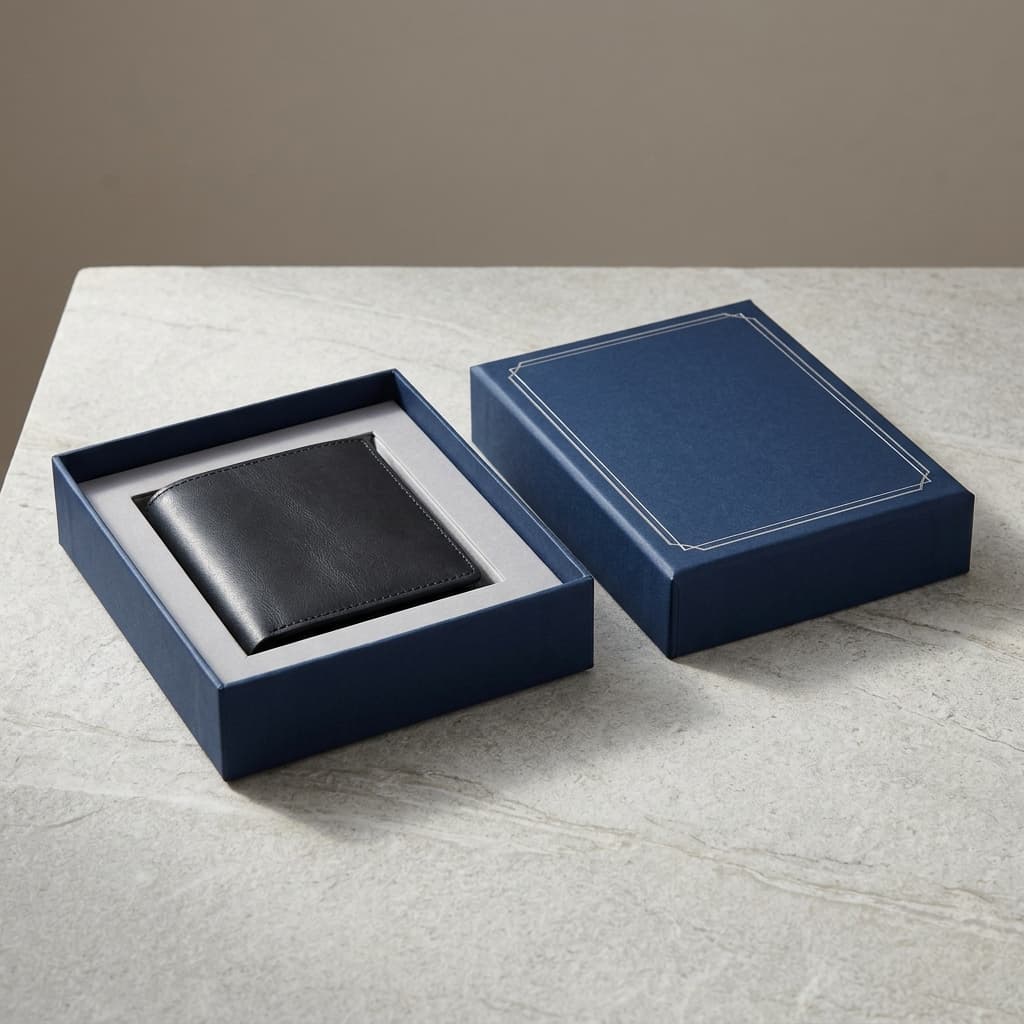
Rigid Boxes
Luxury two-piece and magnetic boxes with a substantial, keepsake feel.
Explore box style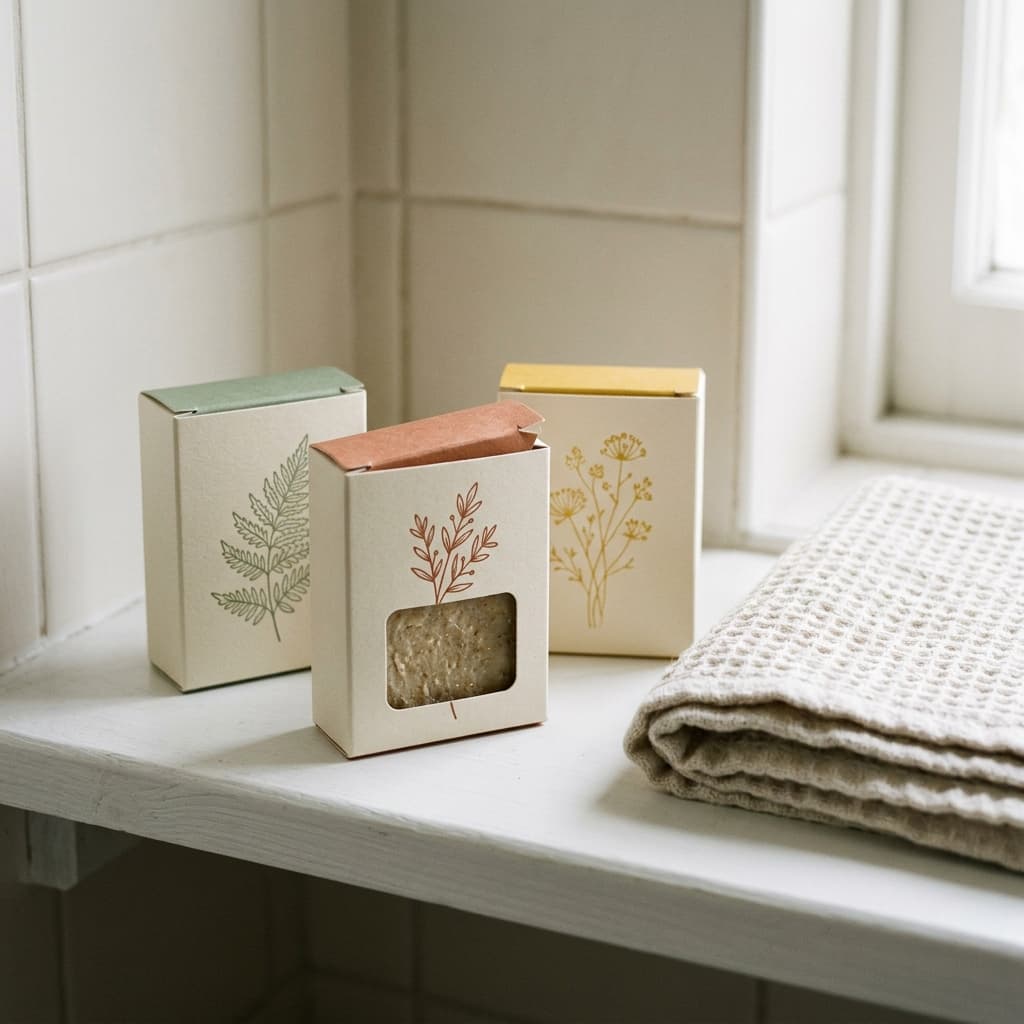
Soap Boxes
Paperboard cartons and sleeves sized around bars, sets, and handmade soap.
Explore box styleQuestions about flip top boxes.
Box style FAQsWe’ll confirm the exact details that apply to your structure and volume.
Read all frequently asked questionsHow can a flip top box show it has not been opened?+
We can add a perforated tear strip across the lid or a seal sticker over the front edge. Either one breaks visibly the first time the box opens, so your customer knows the product is untouched. Tell us which you prefer and we design the box and artwork around it, so the seal sits neatly with the rest of the print.
Can a flip top box hold supplements in a bottle or blister packs?+
Yes. A bottle or tub sits inside as the sealed inner pack, with the flip top as the outer box carrying your product information. Blister strips stack flat and slide out easily under the lid, and we size the box so they stay in place when it is open. Tell us what the label must include and we lay it out on the proof.
Does a flip top box work for card games and trading cards?+
Yes. Cards come out and go back many times, which suits a flip top well. We size the inside to the deck with a little clearance, so it slides out easily without rattling. Measure the deck as it will be used, since protective sleeves add to its thickness. For collectors who carry their deck around, we recommend rigid board. Full board games suit our game boxes.
Can a flip top box be refilled?+
Yes, that is one of the reasons to choose it. Your customer keeps the box and tops it up from a refill pouch or packet. For this, we recommend rigid board or a strong paperboard with a magnetic or durable catch, so the lid keeps closing neatly after many openings. We make the opening wide enough to pour a refill in easily.
Start with a free recommendation
Get pricing