

 Made to your size
- 100 boxes
- Custom sizes & styles
- Free dieline support
- Quality print options
- Proof before production
- 8–12 business day production
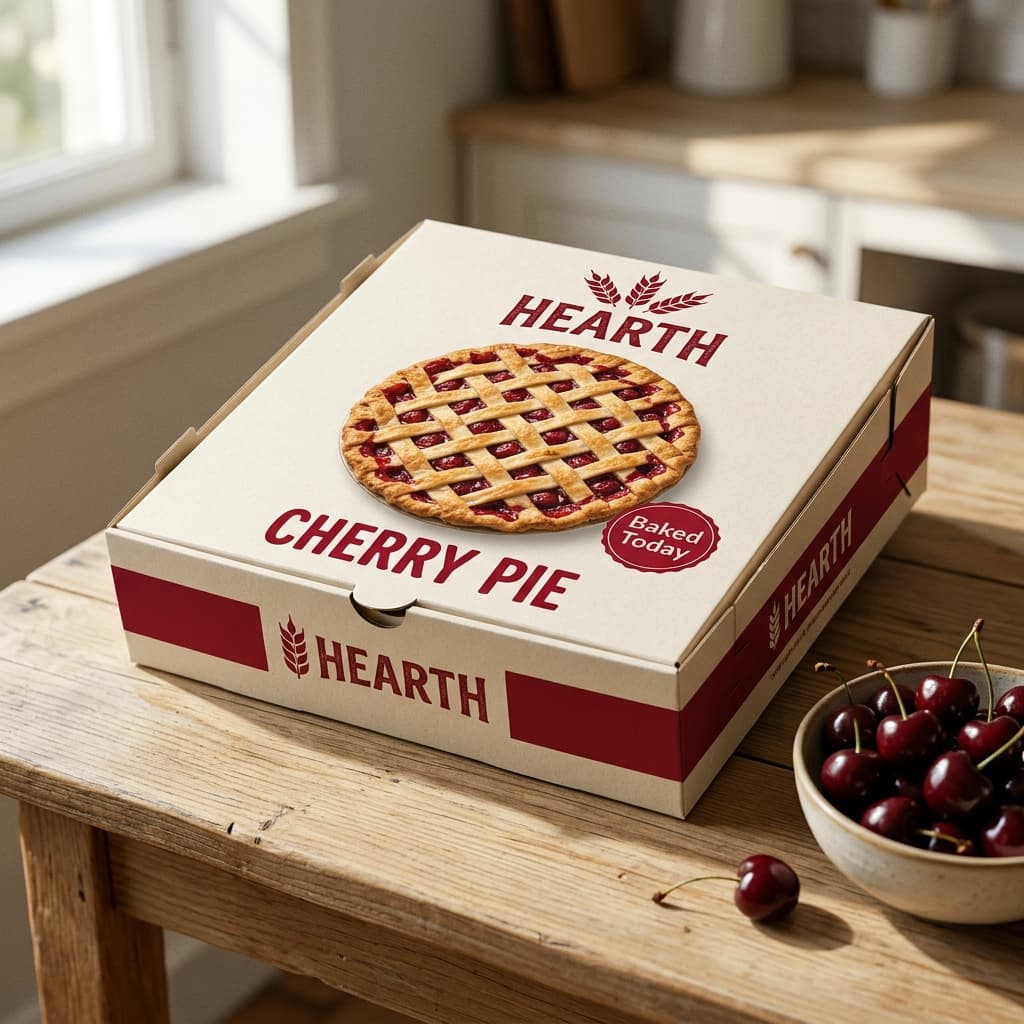
Pie boxes are low square boxes, usually with a hinged lid, sized to hold a whole pie in its tin or foil dish. Pies are heavy for their size and their fillings can be hot, runny or both, so the box needs a stiff base and a lid that clears a raised or latticed crust. Windows are popular for sweet pies, so the top can be seen.
Square box, round pie
Custom Pie Boxes
✓Clear proofing before productionSee our process
Get a free quote
Tell us what you are packing and we’ll reply with practical options.
Product features
Built around the jobStiff base for heavy fillings
Fits pies in tins or foil
Vent or window options
Sized to the dish rim
Card base for free-standing pies
Tall builds for meringue peaks
Coated board for chilled pies
Specifications made for your product.
Technical snapshotEvery final specification is confirmed against product weight, packing method, print coverage, route, and order volume.
View artwork preparation guide- SKU
- bm-1064
- Dimensions
- Custom-made around the product and packing workflow
- Materials
- Food-grade paperboard, Kraft board, Corrugated board for deep-dish pies
- Printing
- CMYK, Pantone, white ink, or unprinted
- Finishes
- Matte, gloss, soft-touch, foil, embossing, spot UV
- Quantities
- Starting at 100 on selected configurations
- Proofing
- Dieline and digital proof
Top the pie with your brand.
Artwork and materialsPie boxes are low and square, so the lid is the main canvas, with a window for sweet pies or vents for hot savoury ones. Our packaging guides cover sizing, materials, print, and cost in more depth.
Lid, window and vents
We print the lid with your branding, place a window so the crust or lattice shows, and set vent holes for hot pies where they sit clear of the main design.
Explore print and finishesBoard for every filling
Food-grade paperboard gives bright print, kraft board suits a farmhouse look, and corrugated board carries deep-dish pies. Coated board keeps chilled pies looking clean when the box leaves the fridge.
Explore material decisionsChoose your box
Tell us the dish rim size, the crust height, and whether your pies are sold hot, cool or chilled.
Request a quote
We recommend a box size, board and window or vents for your pies.
Finalize the order
Approve the size, board, window or vents, any card base and your delivery details.
Build the dieline
We draw the box to your dish rim, with height that clears a domed crust or meringue peaks.
Approve the proof
Check the lid design, window and vent positions and every panel of the digital proof.
Roll on production
Your pie boxes are printed, cut and checked, then packed flat for delivery.
Best for
Bakeries and pie shopsHoliday and seasonal piesFarm shops and marketsSavoury pie takeawaysWhat changes the price.
Cost factorsEvery project is quoted individually. These are the choices that move the price on almost every order.
- Diameter and depth
- Deep-dish and large pies need taller, wider boxes.
- Board
- Heavy pies may need corrugated board rather than paperboard.
- Window or vents
- Film windows and die-cut vents add steps.
- Printed boxes cost more than plain stock boxes.
Buyer guidance
Choosing this format
Sizing to the dish
Measure the rim of the tin or foil dish, which is wider than the pie itself.
Most pies are sold in their baking dish, and the rim sets the box size. Allow a small margin so the dish cannot slide, and enough height to clear a domed crust or a lattice top. Send us the rim diameter and the height to the top of the crust, and we size the box from those.
Common pie dishes come in standard diameters, so a few box sizes often cover a whole range.
- Measure the dish rim
- Clear the highest point of the crust
Hot pies and steam
A pie boxed warm keeps steaming, which softens the pastry and the board.
Trapped steam turns a crisp crust soggy. Small vent holes let it escape, and for savoury pies sold hot they are close to essential. Sweet pies are usually boxed cool, where a window matters more than venting.
Weight and carrying
A fruit or meat pie is heavy for its footprint, so carry it flat and from below.
The base should not bow when the box is picked up by its edges, so for deep-dish and meat pies we can make it in corrugated board. Boxes are best stacked no more than a few high so the lids do not crush.
Related packaging formats
Compare your options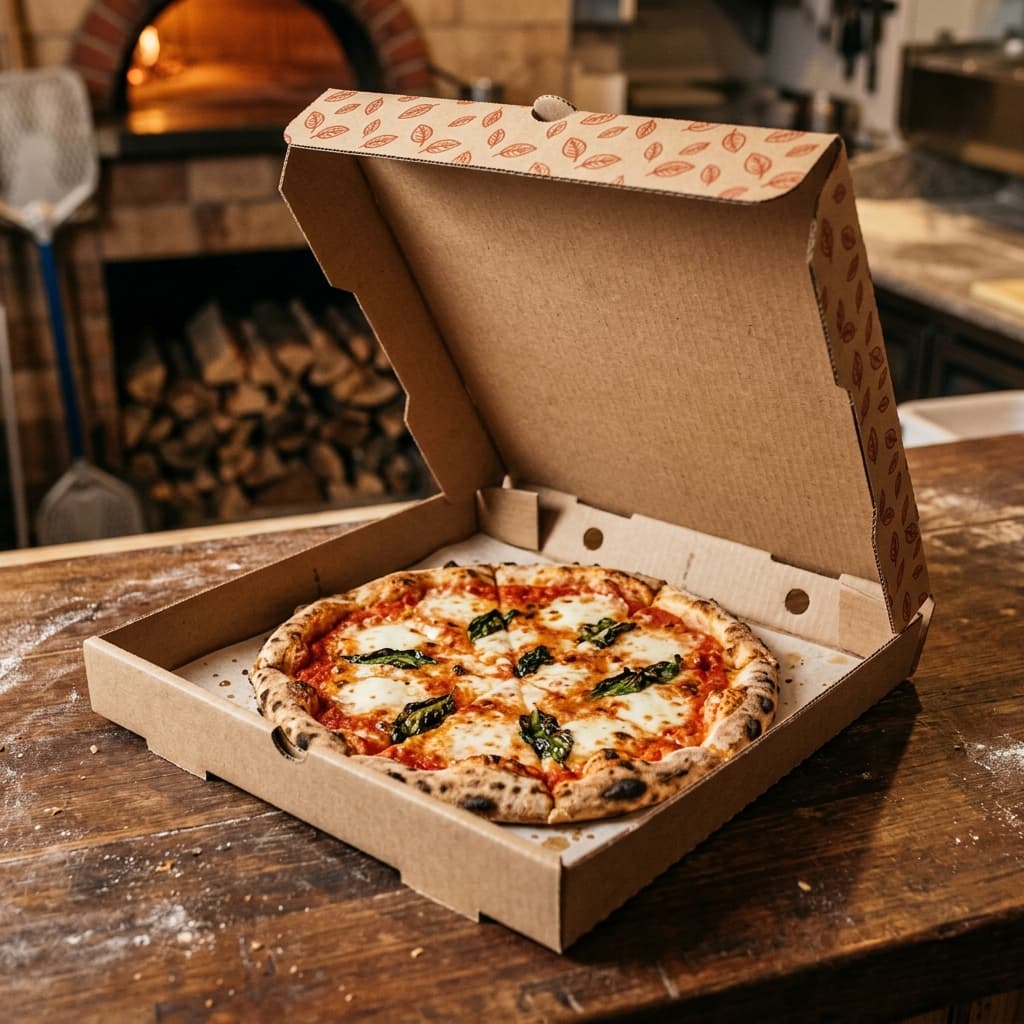
Pizza Boxes
Corrugated boxes that hold heat, vent steam and stack in a delivery bag without crushing.
Explore box style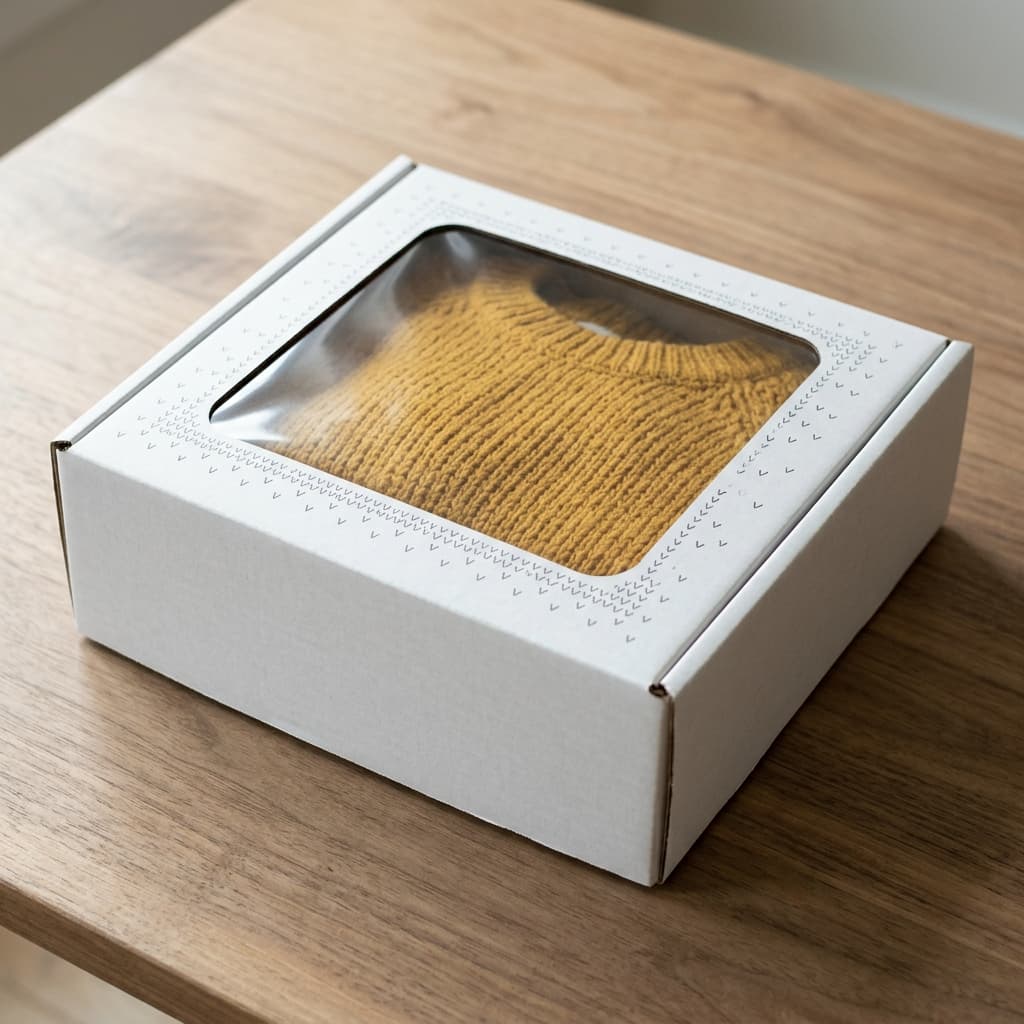
Window Boxes
Cartons with a clear panel, so the product sells itself on the shelf.
Explore box style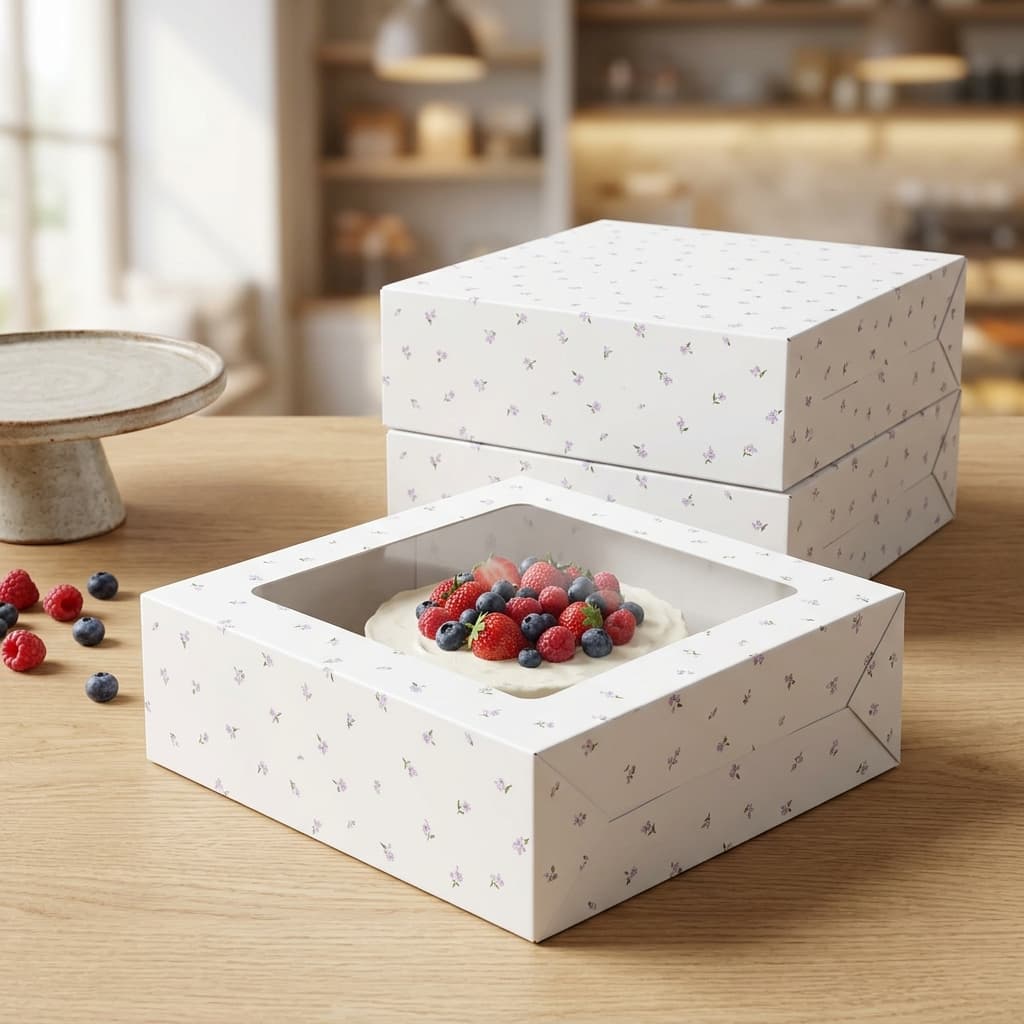
Cake Boxes
Sturdy boxes with headroom and a flat base for carrying whole cakes without touching the decoration.
Explore box styleQuestions about pie boxes.
Box style FAQsWe’ll confirm the exact details that apply to your structure and volume.
Read all frequently asked questionsWhat size pie box fits a 9 inch pie?+
One sized to the dish, not the pie. A 9 inch pie dish is often 10 inches or more across the rim, so we make the box a little wider inside than that. For height, measure from the base of the dish to the top of the crust or lattice and we add clearance. Deep-dish and crumble-topped pies need a taller box, so tell us which you bake.
Can a pie box carry a pie without its tin?+
Yes. We can add a stiff card base so free-standing pies, such as raised pork pies or tarts out of their tins, lift out without breaking. We give the inside a coated surface so butter and pastry do not mark the board, and we confirm the board and coating are suitable for direct food contact before production.
Can a pie box keep a hot pie's crust crisp?+
Yes, with vent holes. We can cut vents in the lid so steam escapes and the crust stays crisp instead of going soft. A closed lid holds heat a little longer but softens the crust, so tell us which matters more for your pies and we design the lid to suit. For longer journeys, an insulated bag around the box keeps the heat in.
Pie box or pizza box: what is the difference?+
A pizza box is very low and usually corrugated, made for a flat, light, hot item. Our pie boxes are deeper, so they clear a domed or latticed crust, and the base is made to carry a heavy dish. A pie in a pizza box gets its top crushed, and a pizza in a pie box slides around in too much space.
Can a meringue or cream pie go in a pie box?+
Yes. We make the box tall enough for the highest meringue peak, so measure that point and we add clearance. Cream and meringue pies are kept chilled, so we recommend coated board, which copes with the condensation that forms when the box leaves the fridge. A window film may fog briefly before it clears.
Start with a free recommendation
Get pricing