
 Made to your size
- 100 boxes
- Custom sizes & styles
- Free dieline support
- Quality print options
- Proof before production
- 8–12 business day production
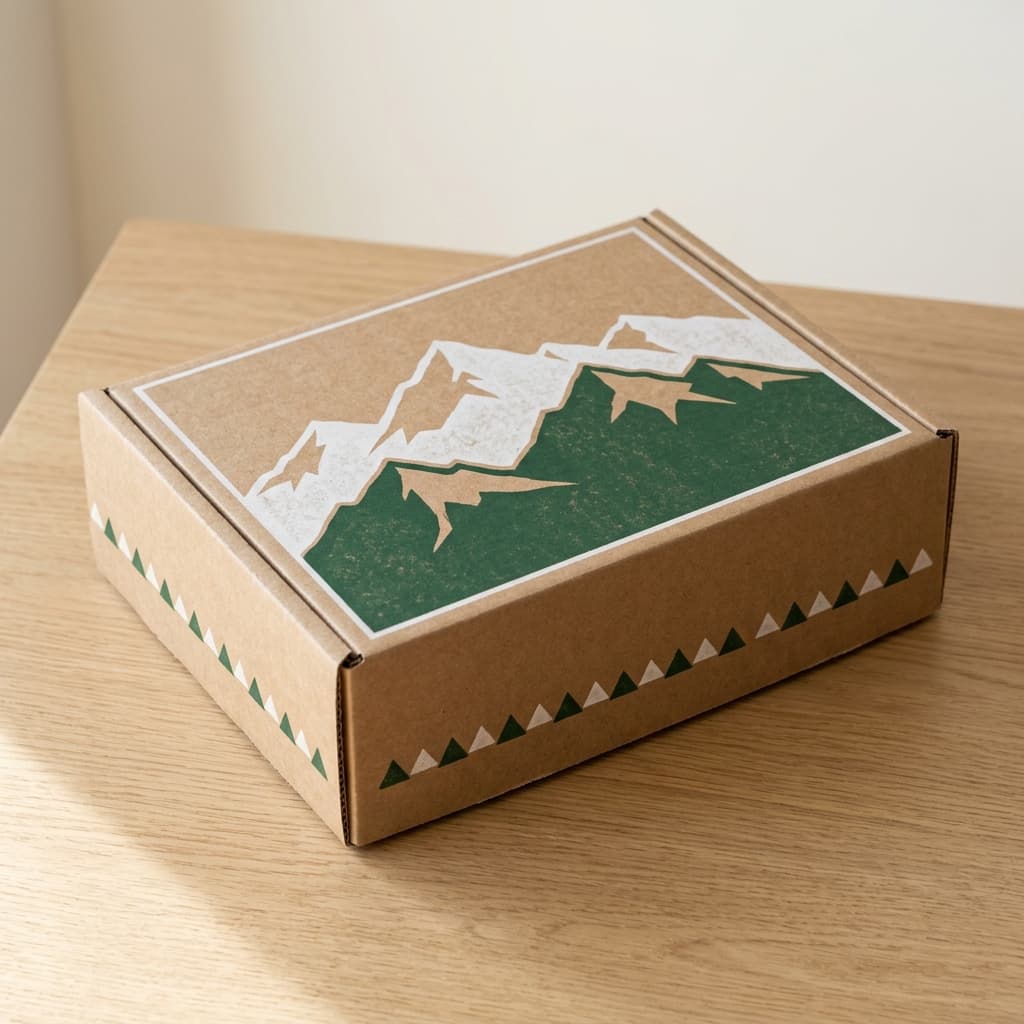
Lean into the natural character of kraft with minimal ink, bold one-color artwork, or full-color white-ink-supported printing. Available across mailers, cartons, sleeves, and display formats.
Naturally tactile
Custom Kraft Packaging
✓Clear proofing before productionSee our process
Get a free quote
Tell us what you are packing and we’ll reply with practical options.
Product features
Built around the jobWhite ink options
Uncoated texture
Easy-to-recycle formats
Natural or white kraft
Mailers, cartons and sleeves
Bold foil on brown board
Blind deboss detailing
Specifications made for your product.
Technical snapshotEvery final specification is confirmed against product weight, packing method, print coverage, route, and order volume.
View artwork preparation guide- SKU
- bm-1007
- Dimensions
- Custom-made around the product and packing workflow
- Materials
- Natural kraft, Recycled kraft, Clay-coated kraft back
- Printing
- CMYK, Pantone, white ink, or unprinted
- Finishes
- Matte, gloss, soft-touch, foil, embossing, spot UV
- Quantities
- Starting at 100 on selected configurations
- Proofing
- Dieline and digital proof
Let the brown board work for you.
Artwork and materialsOn kraft, ink is translucent, so the brown board shows through every colour. We plan your artwork around the board, so bold, dark designs read clearly. Our packaging guides cover sizing, materials, print, and cost in more depth.
Panels planned for brown board
We set your artwork on the dieline for the mailer, carton or sleeve you choose, with bleed and safe areas marked. Where a light or brand colour must hold, we add a white underprint before proofing.
Explore print and finishesNatural, recycled or clay-coated kraft
Natural kraft gives an even brown, recycled kraft adds flecks and a softer tone, and clay-coated kraft back gives a white printing face. Foil and blind debossing stand out well on brown board when kept bold.
Explore material decisionsChoose your box
Tell us the product, the format you want and how much of the brown board should show.
Request a quote
We recommend the kraft type, format and ink approach, including any white underprint your artwork needs.
Finalize the order
Confirm the format, kraft type, ink colours, white underprint, finishes and the quantity you need.
Build the dieline
We draw the mailer, carton or sleeve to your product size, with main folds along the grain.
Approve the proof
Review how each colour sits on kraft, the white underprint areas and every panel on the proof.
Roll on production
Your kraft packaging is printed, cut, folded, checked and packed flat ready for use.
Best for
Natural productsFoodHome goodsEco-minded brandsBuyer guidance
Choosing this format
Kraft is a board, not a box style
Kraft is a paper, not a shape. It is the brown board used to make mailers, cartons, sleeves and displays.
The name comes from the kraft pulping process, which leaves long, strong fibres. Because the pulp is not bleached, the board stays brown. Those fibres are why kraft resists tearing and folds well compared with many whiter papers of similar weight.
Kraft appears in several forms. It can be a solid board, a liner on corrugated, or a thin paper wrapped around something else. Strength and print behaviour differ a lot between them, so tell us what the box is for and we match the form to it.
- Solid kraft board, used for cartons and sleeves
- Kraft liner on corrugated, for mailers and shippers
- Clay-coated kraft back: white printable face, brown reverse
Natural kraft or recycled kraft?
Natural kraft is stronger and more even in colour. Recycled kraft is greyer and more variable, and it carries recycled content.
Natural kraft comes mainly from fresh fibre. It is stiffer and more consistent from batch to batch. Recycled kraft is made from reclaimed paper, so the fibres are shorter and the board can show flecks and small colour shifts across a run.
Neither is better in every case. Recycled kraft suits brands that want the recycled content and the rougher character. Natural kraft suits heavier contents and tighter print. The difference shows most across large areas of flat colour and under heavy contents.
- Natural: stiffer, more even colour
- Recycled: speckled, slightly softer, visible recycled content
Weight, thickness and grain
Kraft board is chosen by weight and thickness, and the right pair depends on panel size and what sits inside.
A larger panel needs stiffer board or it bows. A small carton can use thinner board without trouble. Heavier contents call for thicker board or a corrugated form, because solid kraft has no fluting to take a load.
Grain direction matters as well. Board folds more cleanly with the grain than across it, and a fold across the grain can crack, most visibly under dark ink. A good dieline runs the main folds along the grain wherever it can.
Kraft or white paperboard?
White board gives exact colour and fine detail. Kraft gives a natural look and a quieter style of print.
White paperboard such as SBS is the choice for photographs, gradients and brand colours that must match a swatch. It has the brightest surface and the sharpest edge on small type.
Kraft suits products that want to look natural, and it hides some dirt and scuffing in handling. The trade-off is range. If a brand's identity depends on a pale or very saturated colour, kraft will fight it, and a coated white board is the more honest answer.
Ink, white ink and texture
Ink on kraft is translucent, so the brown shows through every colour. Plan the artwork around the board, not against it.
Dark inks such as black, navy and deep green read strongly on kraft. Pale and bright colours turn muddy. One-colour artwork, with the brown doing half the job, is the most reliable result and needs less ink than full coverage.
White ink printed as an underlayer lets other colours show closer to true. It is an extra pass, so we add it to the specification before the proof. Uncoated kraft also absorbs ink, which softens fine lines. A water-based varnish can reduce rub marks, but it changes the feel of the surface.
- Dark inks and bold shapes work best
- White underprint restores lighter colours
- Uncoated surface softens fine detail
Plain kraft or a coated finish?
Plain kraft is the pick for dry goods, a natural look and bold, simple print. A coated or laminated surface is the pick when contents are greasy or damp, or the finish has to shine.
Kraft is not automatically strong or waterproof. It is a weak choice where a glossy photographic finish is expected or where contents are greasy or damp, because plain kraft soaks up moisture and oil. A barrier coating, a liner or lamination solves that, but each can change how the pack is recycled.
Kraft is not automatically green either. Recyclability depends on the coatings, films and adhesives added to the board, so be careful with environmental claims, and we go through the full specification with you before any claim is printed on the pack.
Related packaging formats
Compare your options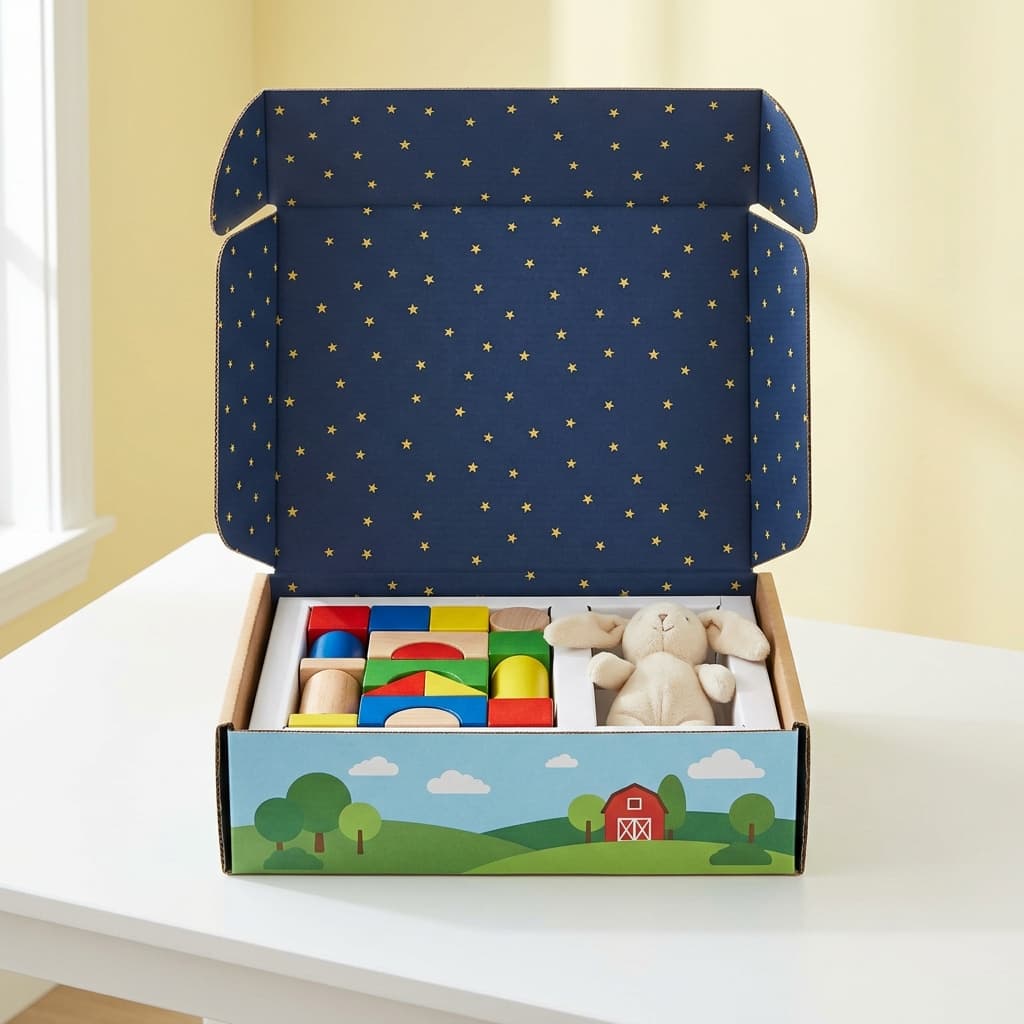
Mailer Boxes
Sturdy, self-locking corrugated mailers built for memorable deliveries.
Explore box style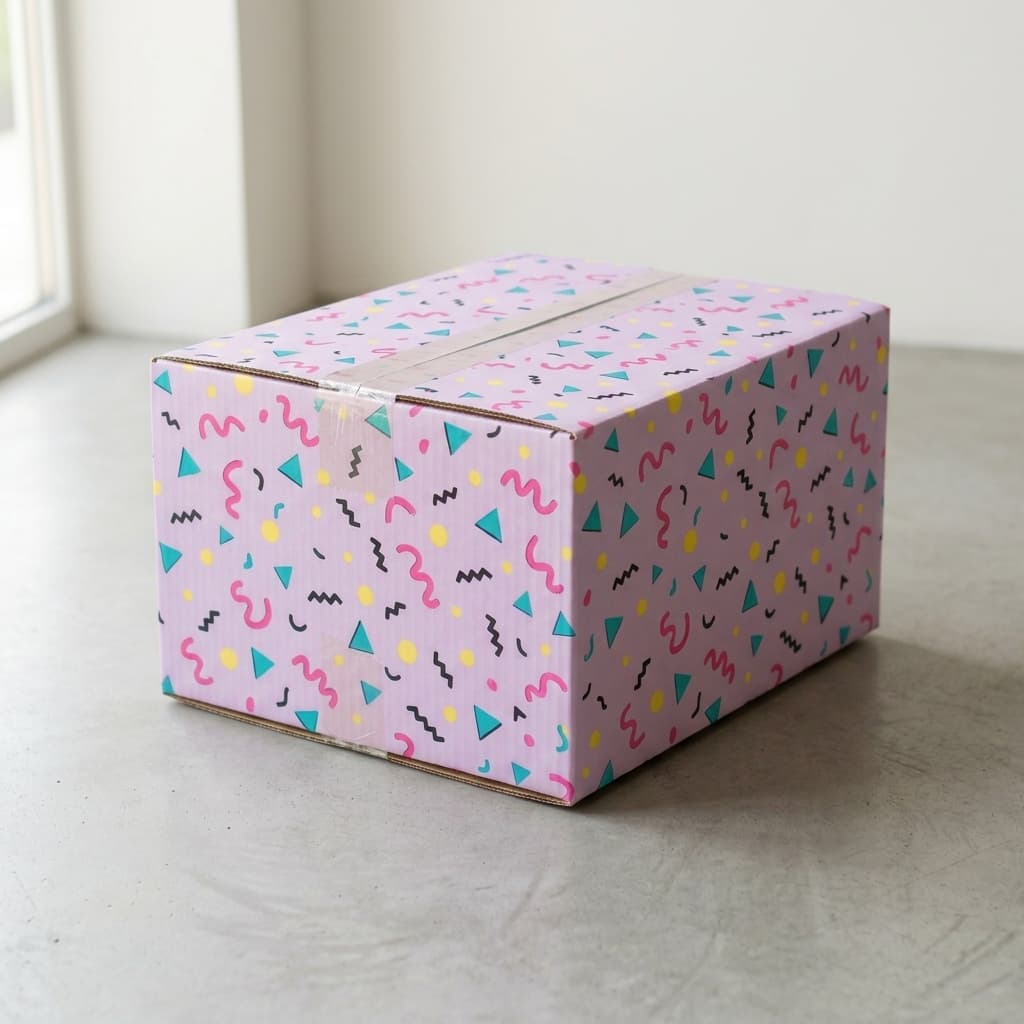
Shipping Boxes
Right-sized corrugated shipping boxes made for protection and efficient transit.
Explore box style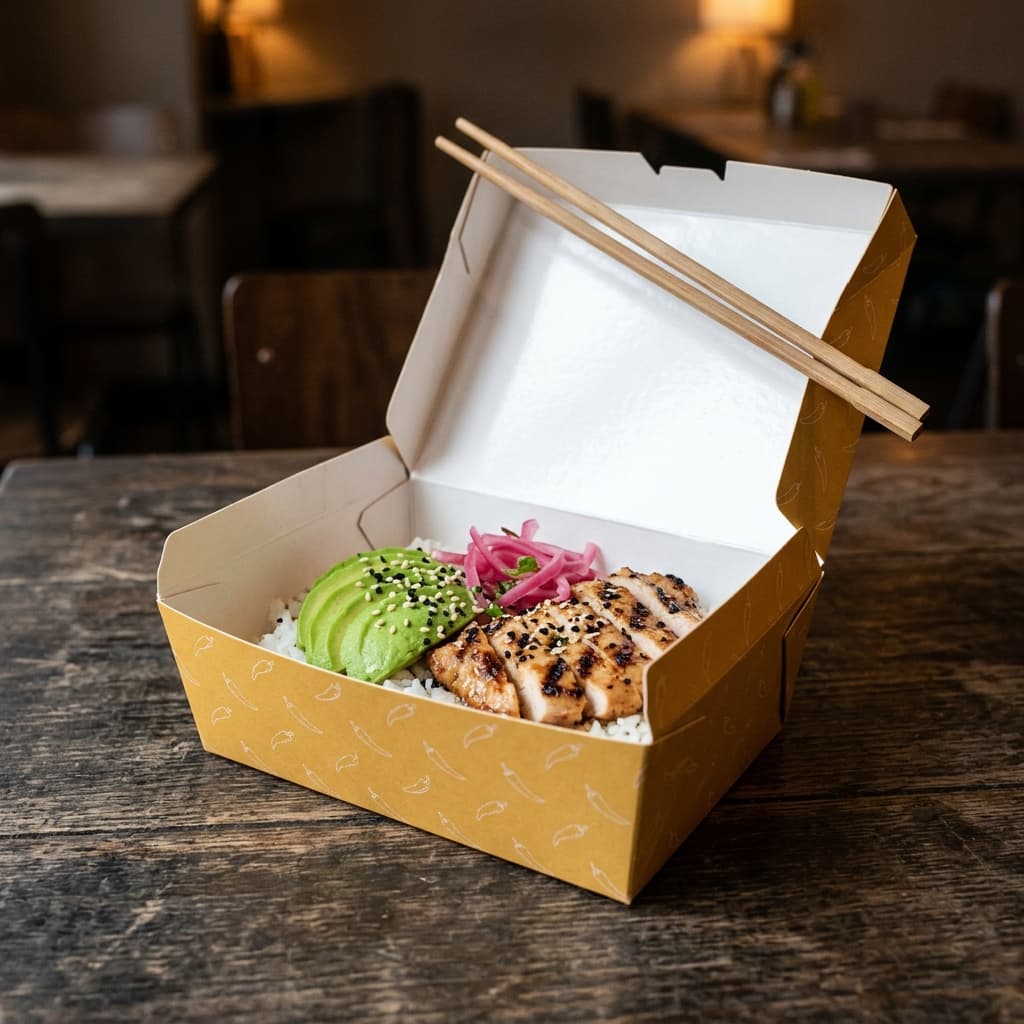
Food Boxes
Thoughtful cartons, sleeves, and carry boxes for food and beverage brands.
Explore box styleQuestions about kraft packaging.
Box style FAQsWe’ll confirm the exact details that apply to your structure and volume.
Read all frequently asked questionsIs kraft packaging safe for direct food contact?+
Yes, when the board and finish are made for it. Virgin kraft is widely used against food, while recycled kraft is usually kept for boxes where the food is already wrapped. Tell us what you are packing and we confirm the board, inks and coating are suitable for direct food contact before production, or we add a liner between the food and the board.
Will kraft boxes keep their colour on display?+
Yes, kept out of direct sun. Unbleached kraft contains lignin, which deepens to a warmer brown in strong sunlight, so we recommend displaying stock away from shop windows. Kraft is a natural material and varies slightly from batch to batch, so a reorder can sit a shade lighter or darker than the last, which is part of its natural look.
Can kraft packaging take foil or embossing?+
Yes. Foil stands out well on brown board, and because kraft has a natural texture, we keep foil areas bold and avoid fine lines and very small type. Embossing and debossing work well too, with a slightly softer edge than on smooth white board. A blind deboss, with no ink or foil, is a popular choice that suits the plain look of kraft.
What is white kraft, and how is it different from brown?+
White kraft is kraft board that has been bleached, so it keeps much of the strength of the long kraft fibres but has a white surface. Colours print brighter and truer on it than on brown, without needing a white underprint. We offer both: white kraft suits brands that want strength and clean colour, brown suits a natural, rustic feel.
Is kraft packaging compostable?+
Plain, uncoated kraft breaks down well. What decides it for a finished box is everything added to the kraft: plastic windows, laminates, barrier coatings and plastic tape. If compostability matters to you, tell us before we quote and we keep the build to plain kraft and paper parts, then go through the full specification with you before any compostable claim is printed.
Start with a free recommendation
Get pricing