

 Made to your size
- 100 boxes
- Custom sizes & styles
- Free dieline support
- Quality print options
- Proof before production
- 8–12 business day production
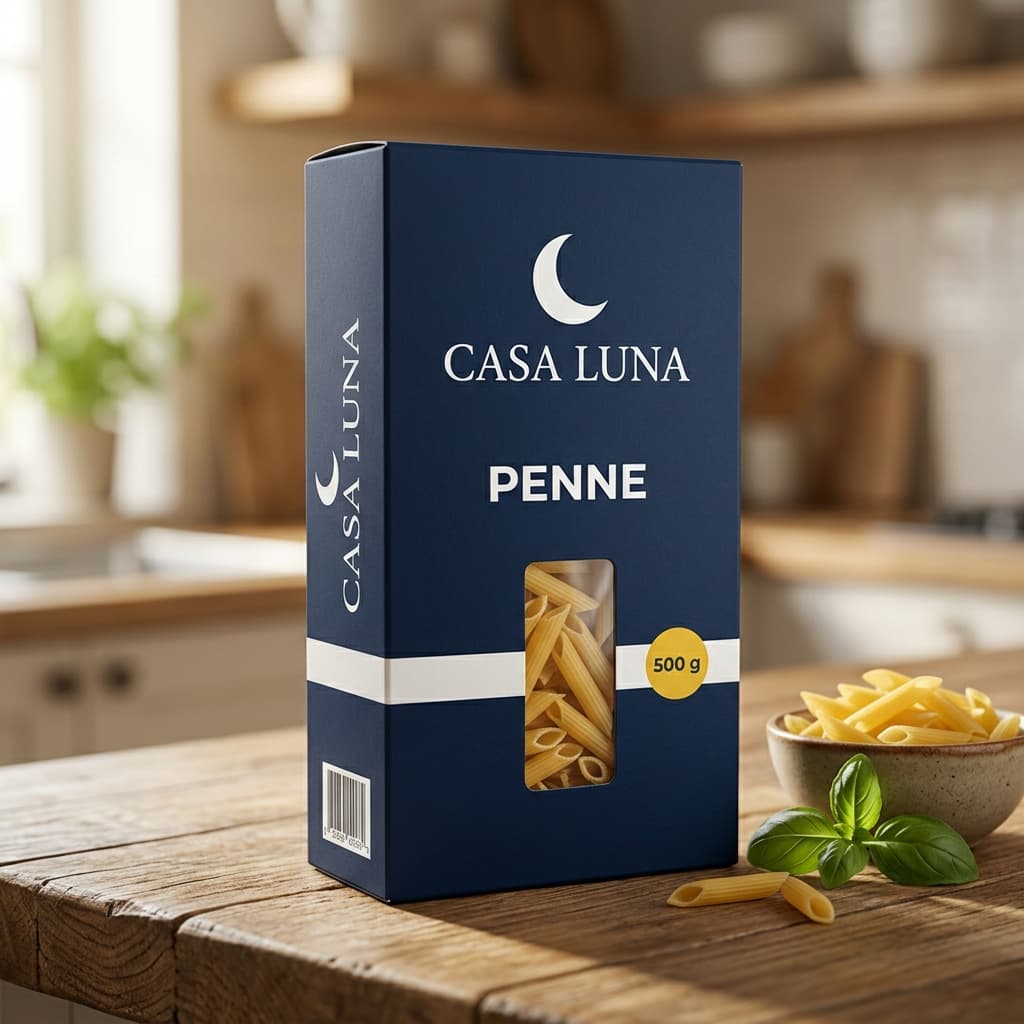
Pasta boxes are tall or flat folding cartons for dried pasta, from spaghetti and long shapes to short cuts and filled pasta. A window panel showing the shape is a hallmark of the category, and the box has to hold its weight upright on a shelf without bulging. Artisan and gift pastas often use kraft board or a slim rigid box instead.
Dry pasta on the shelf
Custom Pasta Boxes
✓Clear proofing before productionSee our process
Get a free quote
Tell us what you are packing and we’ll reply with practical options.
Product features
Built around the jobTall or flat carton builds
Cooking-time panel
Pour spout or reclose options
Spaghetti-length cartons
Glued ends hold panels square
Stiffer board for short shapes
Gift-set jar inserts
Specifications made for your product.
Technical snapshotEvery final specification is confirmed against product weight, packing method, print coverage, route, and order volume.
View artwork preparation guide- SKU
- bm-1095
- Dimensions
- Custom-made around the product and packing workflow
- Materials
- Folding boxboard, Kraft board, Recycled board
- Printing
- CMYK, Pantone, white ink, or unprinted
- Finishes
- Matte, gloss, soft-touch, foil, embossing, spot UV
- Quantities
- Starting at 100 on selected configurations
- Proofing
- Dieline and digital proof
Show the shape, sell the pasta.
Artwork and materialsArtwork runs across the front, sides and back, framing a window where the pasta settles. A clear panel for cooking time and portion guidance matters as much as the brand. Our packaging guides cover sizing, materials, print, and cost in more depth.
Front, window and cooking panel
We frame the window with your design at the height the pasta settles, set your brand on the front, and keep cooking time, portions and ingredients on a clear side or back panel.
Explore print and finishesBoxboard, kraft or recycled
Folding boxboard takes sharp colour for shelf ranges, kraft gives an artisan look, and recycled board suits a simple, natural style. Stiffer board keeps short-shape packs square, so the artwork stays flat on the shelf.
Explore material decisionsChoose your box
Choose a long spaghetti carton, a taller box for short shapes, or a gift set with inserts.
Request a quote
Send us your pasta shape, length and pack weight, and we recommend a carton build.
Finalize the order
Approve the board, window, pour spout or reclose, glued ends and quantities before we start your dieline.
Build the dieline
We draw the carton around your settled pasta, placing the window where the shape shows.
Approve the proof
Check the window frame, front design and cooking panel on your digital proof before we print.
Roll on production
We print, cut, fit the windows and glue your pasta boxes, then check and pack them flat.
Best for
Artisan pasta makersSupermarket private labelGluten-free and specialty pastaItalian food gift setsWhat changes the price.
Cost factorsEvery project is quoted individually. These are the choices that move the price on almost every order.
- Window
- A film window is an extra material and a patching step; an open die-cut window is cheaper but leaves the food exposed.
- Board weight
- A heavy pack of short pasta needs stiffer board so the panels do not bow.
- Shape
- Very long boxes for spaghetti use long sheets and may need a different press size.
- Reclose features
- Pour spouts and reclosable tabs add die work.
Buyer guidance
Choosing this format
The window and why pasta uses it
Shoppers choose pasta by shape, so a window that shows it does a lot of the selling.
Most branded pasta cartons have a film-covered window on the front or side. The film keeps dust and insects out while still showing the shape. Placing the window where the pasta settles matters - too high and it shows empty space once the contents settle.
Because dry pasta is low in moisture it can sit in a plain carton without a bag, but some brands add an inner bag for freshness or for very fine shapes. Where pasta sits straight against the board, the board and window film need to be suitable for food contact.
- Film-covered window
- Place it where the pasta settles
- Inner bag optional for dry pasta
Long shapes, short shapes, filled pasta
The shape decides the box: spaghetti wants a long slim carton, short cuts a taller, wider one.
Long pasta is boxed in narrow cartons around the length of the strands, so they do not snap. Short shapes such as penne or fusilli fill a deeper box and push on the side panels, which is why board stiffness matters. Fresh and filled pasta is chilled and usually sold in a sealed tray, sometimes with a printed sleeve, rather than a dry carton.
Panels that pasta buyers read
Cooking time, serving size and the wheat or flour type are what people check after the shape.
Plan a clear panel for cooking time and portion guidance. Gluten-free and specialty pastas also need clear ingredient and allergen statements, so tell us what yours must say and we give it a panel of its own on the proof.
Related packaging formats
Compare your options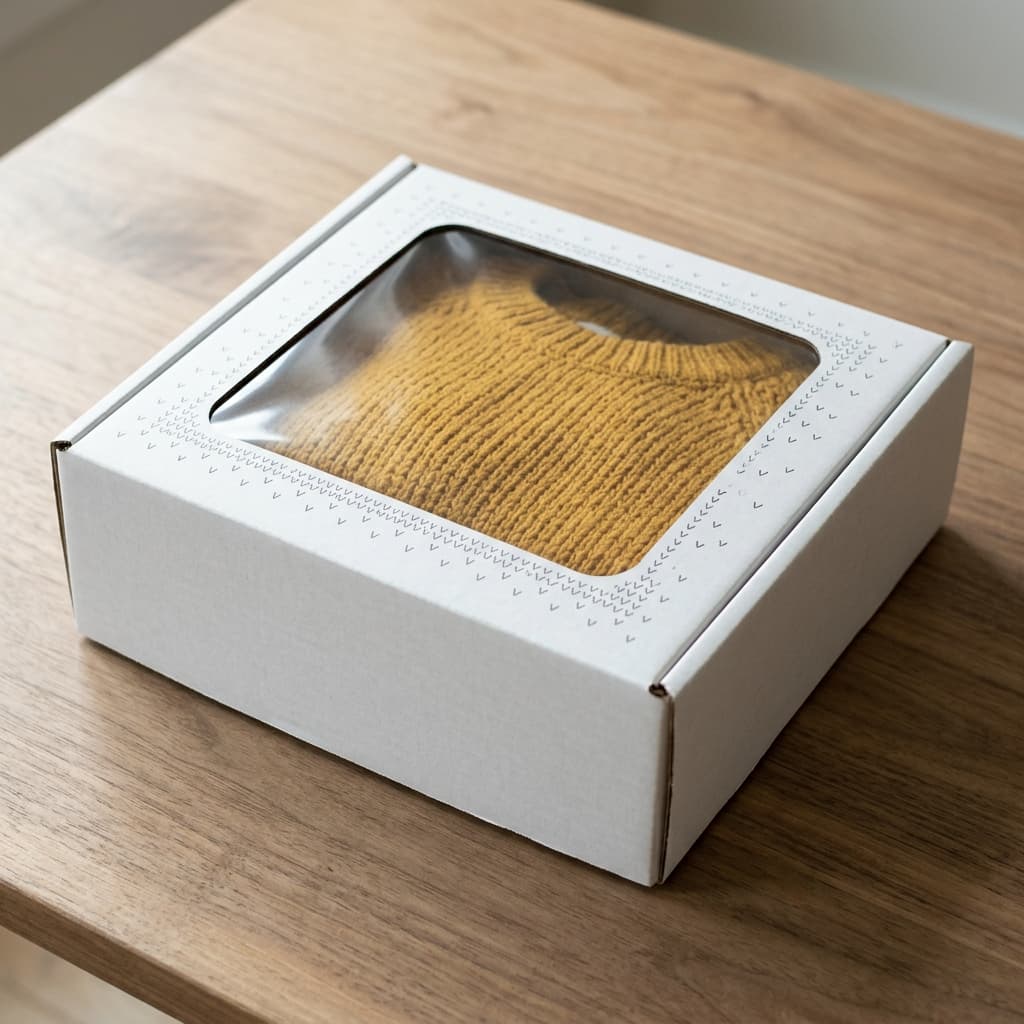
Window Boxes
Cartons with a clear panel, so the product sells itself on the shelf.
Explore box style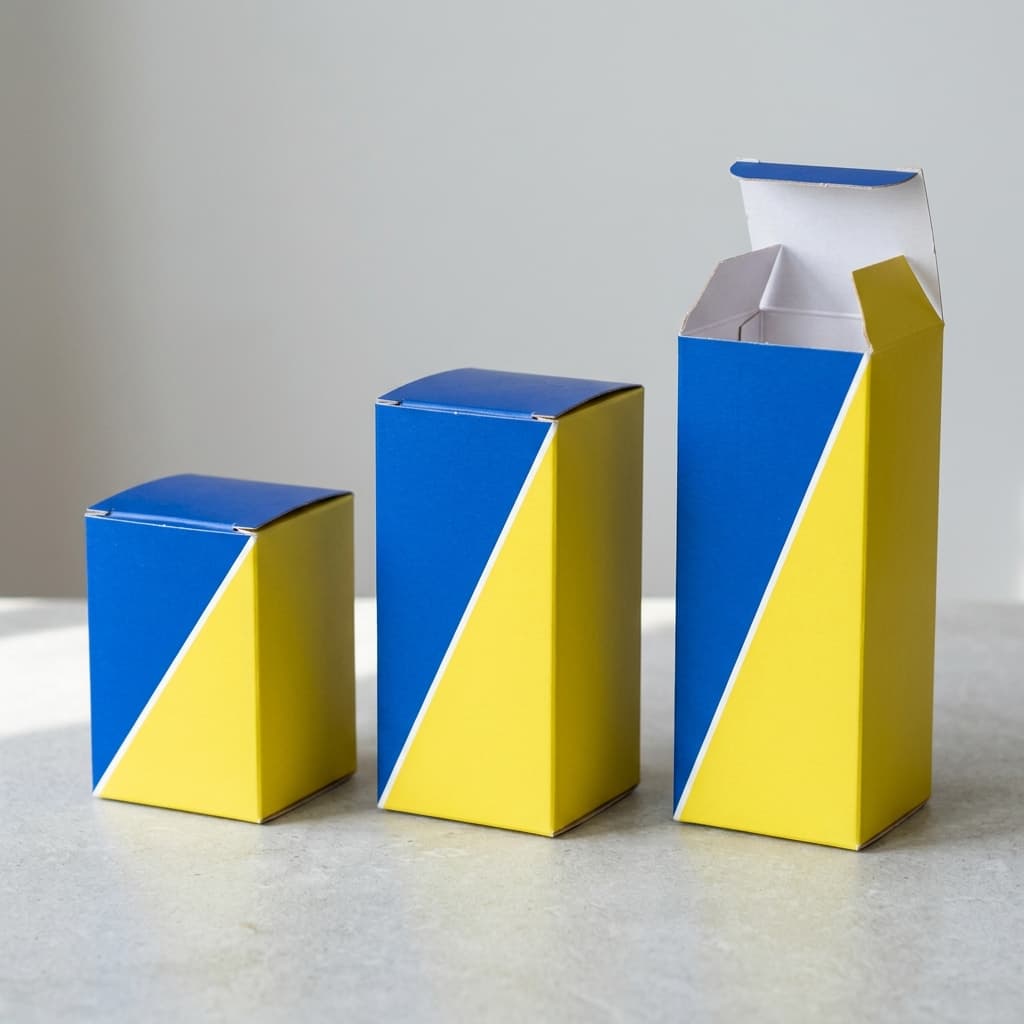
Folding Cartons
Lightweight printed cartons with crisp color, structure, and shelf appeal.
Explore box style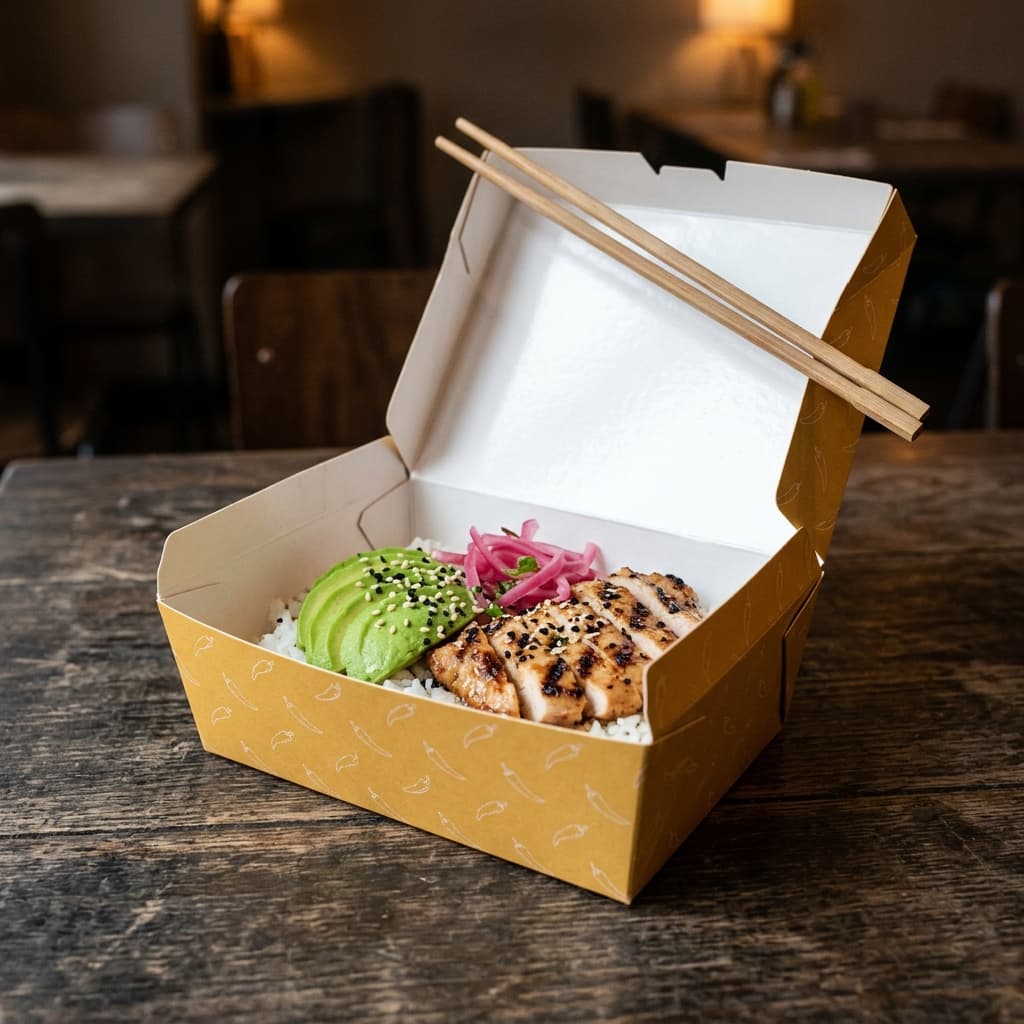
Food Boxes
Thoughtful cartons, sleeves, and carry boxes for food and beverage brands.
Explore box styleQuestions about pasta boxes.
Box style FAQsWe’ll confirm the exact details that apply to your structure and volume.
Read all frequently asked questionsHow long does a spaghetti box need to be?+
A little longer than the strands. Standard spaghetti is about 25cm long, so we make the inside clear that with a few millimetres to spare, and keep the box narrow so the strands cannot slide about. Send us your own pasta's length, as artisan and long shapes vary.
Can a pasta box have a window without plastic film?+
Yes. We can cut an open window that keeps the box all paper, though it leaves the pasta exposed, so we recommend pairing it with an inner bag. A compostable film keeps the window covered without standard plastic. Some brands skip the window altogether, and we print a photo of the shape on the front instead.
Will a pasta box keep its shape on the shelf?+
Yes. We size the box to the pasta after it has settled, so it is full rather than overfilled, and use stiffer board for heavier packs of short shapes, which push outward on the side panels. We glue the end flaps rather than tucking them, because a glued end holds the panels square.
Which pasta boxes should have a pour spout or reclose?+
Short shapes such as penne, fusilli and orzo are poured out a portion at a time, so we recommend a perforated spout or a tear-open corner. Long pasta is lifted out in a bundle, so a reclosable end flap works better there. Either way, we place the perforation so it tears cleanly on a full box without splitting the panel.
How should a pasta gift set be packed?+
Gift sets often pair pasta with a jar of sauce, oil or a pasta tool, and the glass jar needs the most protection. We make a fitted insert that holds each item in its own space, so the jar cannot knock against the pasta. Send us the full set's weight, as jars can call for rigid board instead of a light carton.
Start with a free recommendation
Get pricing