

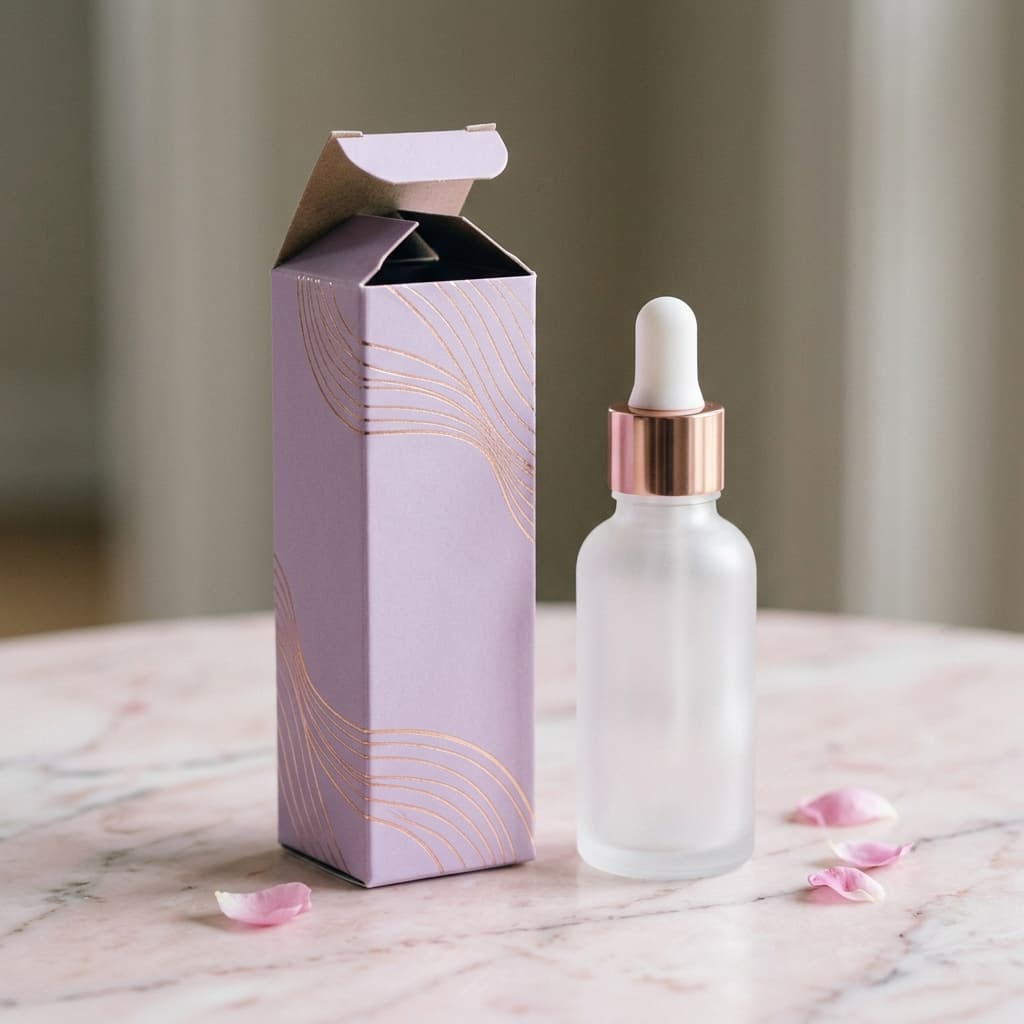
 Made to your size
- 100 boxes
- Custom sizes & styles
- Free dieline support
- Quality print options
- Proof before production
- 8–12 business day production
Custom printed cosmetic boxes from 100 units, in folding cartons, rigid boxes and sleeves, with fitted inserts that hold bottles, jars and tubes steady in transit. Choose premium SBS, rigid board or recycled paperboard, then match your brand colour and add foil, soft-touch or spot finishes. Production runs 8–12 business days after you approve the proof.
Beauty packaging
Custom Cosmetic Boxes
✓Clear proofing before productionSee our process
Get a free quote
Tell us what you are packing and we’ll reply with practical options.
Product features
Built around the jobCustom inserts
Metallic foils
Soft-touch coating
Carton, rigid or sleeve builds
Full ingredient panel layout
Film-covered window option
Tear strip or seal sticker
Specifications made for your product.
Technical snapshotEvery final specification is confirmed against product weight, packing method, print coverage, route, and order volume.
View artwork preparation guide- SKU
- bm-1004
- Dimensions
- Custom-made around the product and packing workflow
- Materials
- Premium SBS, Rigid board, Recycled paperboard
- Printing
- CMYK, Pantone, white ink, or unprinted
- Finishes
- Matte, gloss, soft-touch, foil, embossing, spot UV
- Quantities
- Starting at 100 on selected configurations
- Proofing
- Dieline and digital proof
Beauty packaging in your exact colour.
Artwork and materialsYour cosmetic box carries the front design, the ingredient panel and often an inside print. Brand colour accuracy and clear, readable product information matter most on beauty packaging. Our packaging guides cover sizing, materials, print, and cost in more depth.
Front face and ingredient panel
We plan the ingredient list, directions and warnings onto their own panel first, then build your branding around them. Bleed, safe areas and small text sizes are checked on the flat dieline before your proof.
Explore print and finishesPremium board and finishes
Premium SBS gives the closest colour match, rigid board adds weight for gift sets, and recycled paperboard gives a softer, natural tone. Foil, soft-touch and spot finishes are placed to catch the light without crowding small type.
Explore material decisionsChoose your box
Tell us the container, its size with cap or pump fitted, and the information the box must carry.
Request a quote
We recommend the build, board, insert and finishes, from a folding carton to a rigid box.
Finalize the order
Confirm the box style, board, colour match, finishes, any insert or seal, and the quantity.
Build the dieline
We draw the box around your bottle, jar or tube, with any insert holding it upright.
Approve the proof
Review the colour setup, ingredient panel, finish areas and every panel and flap on the proof.
Roll on production
Your boxes are printed, finished, cut and glued, then checked and packed ready for filling.
Best for
SkincareMakeupFragranceHaircareWhat changes the price.
Cost factorsEvery project is quoted individually. These are the choices that move the price on almost every order.
- Quantity
- Set-up work is the same whether we make 100 boxes or 5,000, so the price per box falls as quantity rises.
- Structure
- A folding carton is the most economical format. A rigid gift box uses dense, wrapped board and costs more per unit.
- Print coverage
- One colour on the outside costs less than full colour printed inside and out.
- Finishes
- Foil, embossing, soft-touch and spot UV each add a production step.
- Inserts
- A fitted insert for bottles, jars or tubes needs its own cutting tool.
Buyer guidance
Choosing this format
Three ways a beauty box is made
Beauty packaging comes in three builds: a folding carton, a rigid box and a sleeve, and each is made differently.
A folding carton is one sheet of paperboard, cut and creased flat with a single glued seam. It is the standard build for tubes, bottles and jars, and it arrives as a flat tube that is opened up at filling.
A rigid box is wrapped board formed into a lid and base. A sleeve is a short open tube that slides over a tray or a carton. Much of what a beauty box does for the product sits in the insert, which holds a bottle upright or a jar in place so it cannot knock about inside.
- Carton: solid paperboard, single glued seam
- Rigid: wrapped board, lid and base
- Sleeve: open tube over a tray or carton
SBS, rigid or recycled board?
SBS prints cleanest, rigid board holds up best, and recycled board shifts every colour printed on it.
SBS is bleached through the sheet, so a printed colour lands close to what the screen showed. That is why skincare and makeup lines often default to it. Recycled paperboard is greyer and absorbs more ink, which softens fine detail and dulls pale shades.
Rigid board is the choice for fragrance sets and gift packs where weight and stiffness are part of the impression. It is also much bulkier to store and to ship than a flat carton, so it suits the products that need it rather than the whole range.
- SBS: whitest surface, closest colour
- Rigid: stiff, heavy, bulky to ship
- Recycled: duller whites, softer detail
Measuring bottles, jars and tubes
Measure the filled product with its cap or pump on, because that is the shape the insert has to hold.
Height is the dimension people miss. A pump head, a dropper or a fat cap can add several millimetres above the bottle, and the carton top has to clear it. Shoulders and tapered necks change the width at every level, so measure the real item, not only the label size.
A fitted insert, in board, pulp or foam, keeps contents steady. It also takes space, so the outer dimensions grow. When the product comes in several sizes, send us each one and we work out whether one carton can take them all with different inserts, or whether each needs its own cutting tool.
A box, or print straight on the container?
Printing on the bottle or tube saves a layer. A box adds protection and a lot more surface to print on.
Direct printing on a bottle, jar or tube means less material and less to store. It does nothing for the product in transit, and the printable area is limited to the shape of the container.
A carton gives flat panels for ingredients, directions and batch details, and a place to carry the brand story. It also protects the container from scuffs. Whichever route you choose, we leave room for the information your product must carry and lay it out on the proof.
Colour match, foil and soft-touch
Brand colour, metallic effects and a velvet feel each behave differently on beauty board, and each needs to be specified early.
A brand colour built from the four process inks can drift between runs and between boards. A spot colour is mixed to a recipe and holds more steadily, at the cost of an extra plate. Settle the board before approving the proof, because the same ink looks different on white SBS and on recycled stock.
Foil sits on top of the board and catches the light, but it fills in if the type is too fine. Soft-touch coating feels velvety and scuffs, and the marks show most on dark solid colour, so it is often kept to the products that need the feel rather than spread across a whole range.
Cosmetic carton alone, or inside a mailer?
A cosmetic carton is the pick for protecting a product on a shelf. A mailer box with the carton packed inside is the pick when glass and liquids go in the post.
Paperboard has no cushioning, so glass and liquids that are posted travel better with the carton packed inside a mailer box or a shipper with a fitted insert. A carton sent alone will arrive creased, and a leaking pump will mark it.
A box is also unnecessary if the product is sold only through a salon or refill counter and the container itself carries the brand. Where the buyer will throw the box away on arrival, a printed label does much of the same work with less material.
Related packaging formats
Compare your options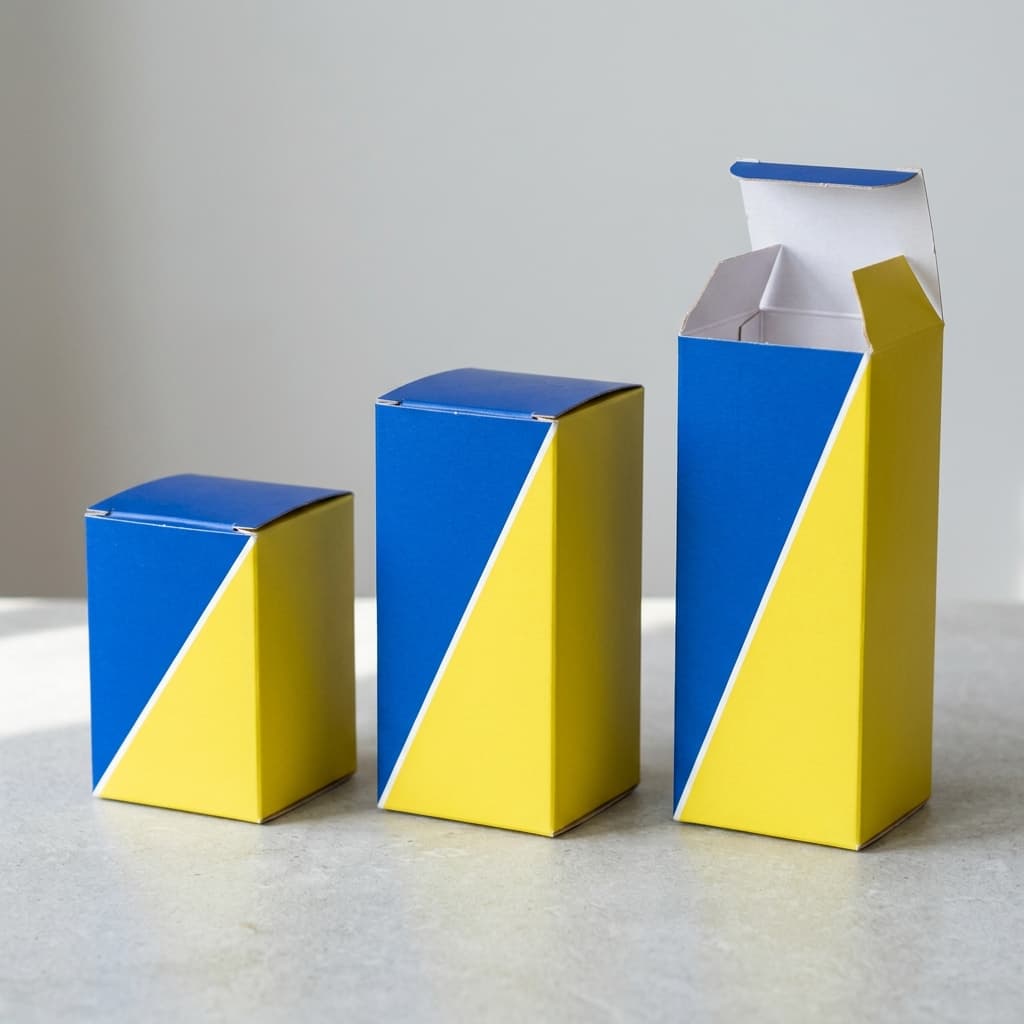
Folding Cartons
Lightweight printed cartons with crisp color, structure, and shelf appeal.
Explore box style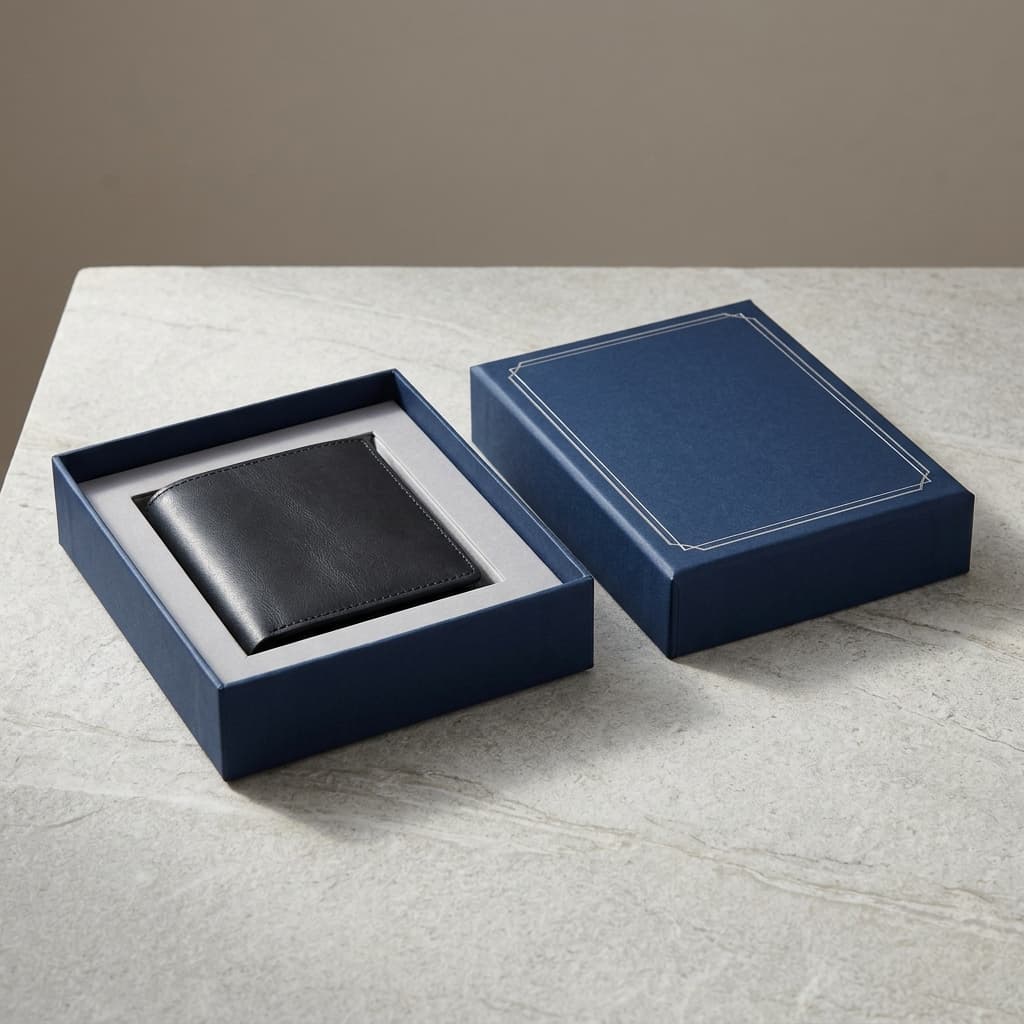
Rigid Boxes
Luxury two-piece and magnetic boxes with a substantial, keepsake feel.
Explore box style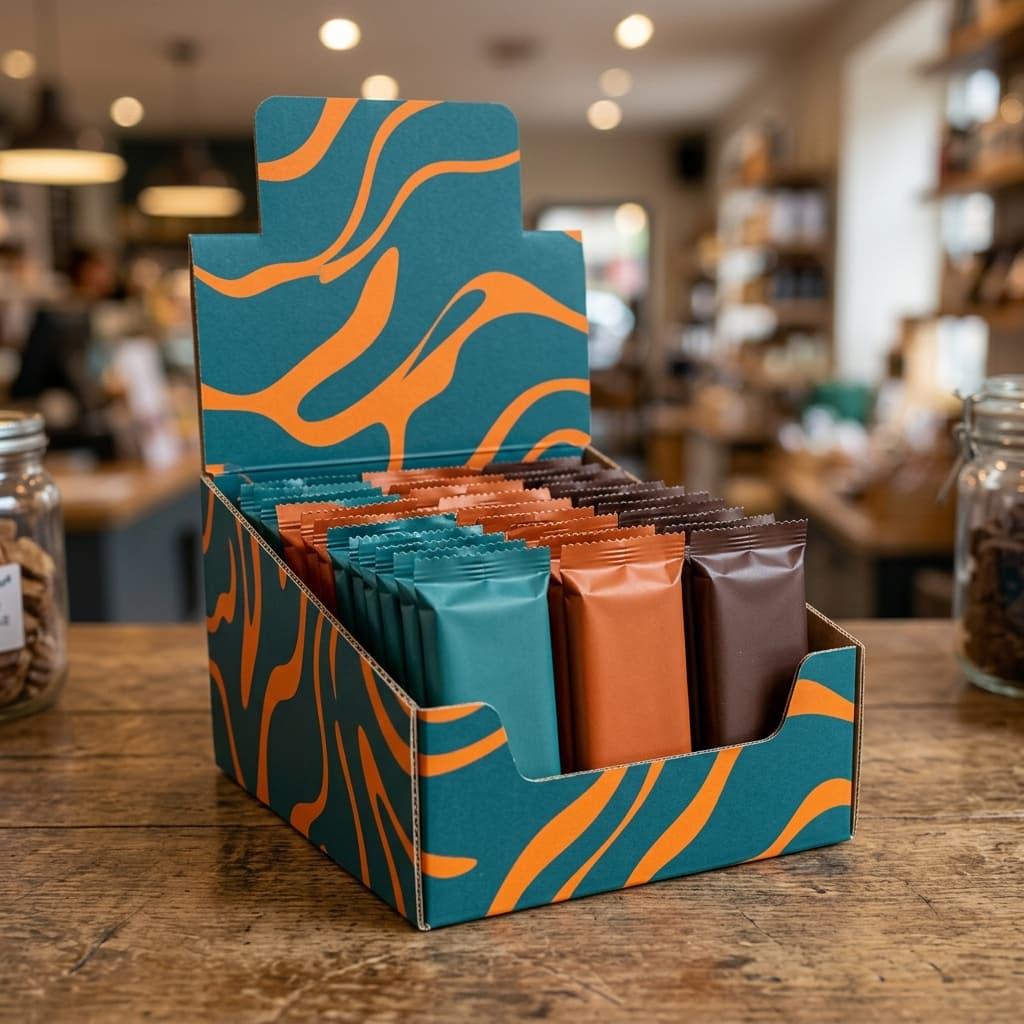
Display Boxes
Retail displays that ship flat, assemble quickly, and merchandise clearly.
Explore box styleQuestions about cosmetic boxes.
Box style FAQsWe’ll confirm the exact details that apply to your structure and volume.
Read all frequently asked questionsWhat information goes on a cosmetic box?+
Usually the product name, its function, the ingredient list, net quantity, batch code, a use-by or period-after-opening mark, warnings, and the name and address of the company responsible. Tell us what your box must include and we plan the panels around that text first, then fit your branding around it, so you see it all laid out on the proof.
Can a long ingredient list fit on a small cosmetic carton?+
Yes. We give the ingredient list a whole side or back panel rather than leftover space, and set it in a clear, condensed typeface. If the list is very long for the carton, we can add a printed card inside the box or carry the extra text on a peel-back label. We show the panel at full size so you can judge how well it reads.
Can a cosmetic box have a window?+
Yes. We can add a film-covered window that shows the colour and texture of the product, which works well for makeup, soaps and bath products, and the film keeps dust off on the shelf. For light-sensitive formulas, such as vitamin C serums, retinol and essential oils, we recommend a closed carton around an amber or opaque container instead.
Can a cosmetic box hold a pump bottle or dropper upright?+
Can you add a seal to a cosmetic box?+
Yes. We can build a tear strip into the carton, so it has to be torn to open, or you can close the tuck flap with a printed seal sticker. Either one shows at a glance that the box has not been opened, which matters most for products that shoppers like to test or open on the shelf, such as fragrance and skin care.
Start with a free recommendation
Get pricing