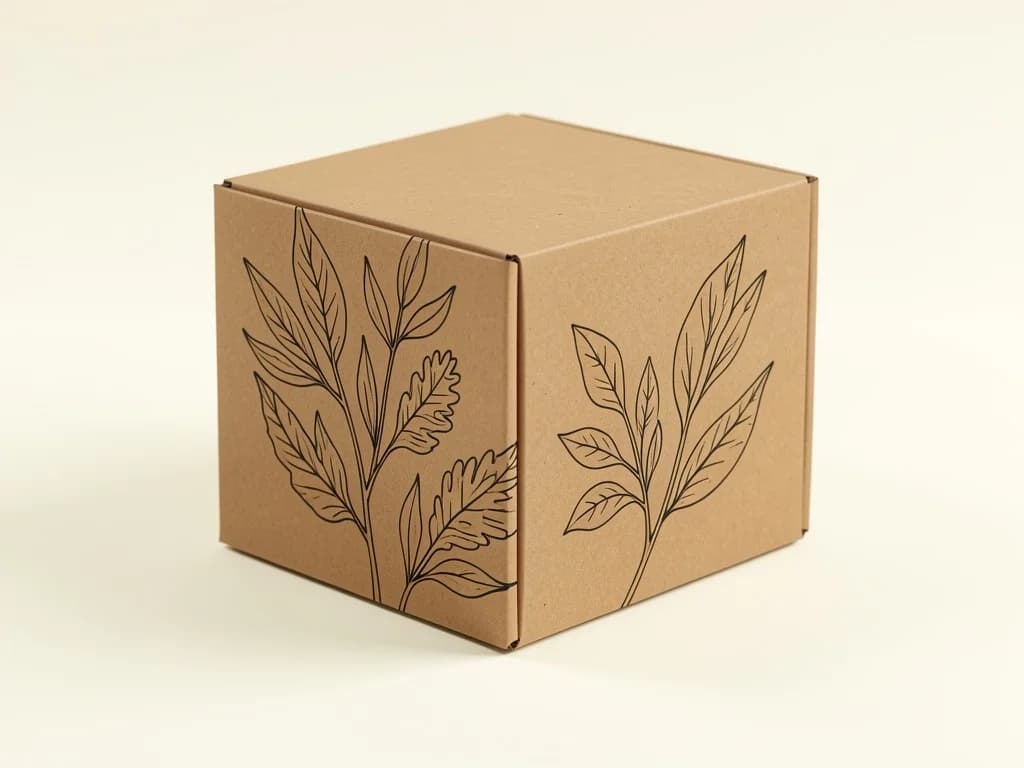
A bakery box is a set of choices: the style, the board it is made from, how it opens, whether it has a window, what holds the bakes inside and how it is printed. This guide takes each one in turn, so you know what you are choosing between before you ask for a quote.
The bakery box styles, and what each one does
Bakery boxes divide by the job they do. Some are general boxes that carry whatever goes in them, some are shaped around one bake, and some are made to be kept. Most bakeries end up with one general style and two or three specialist ones.
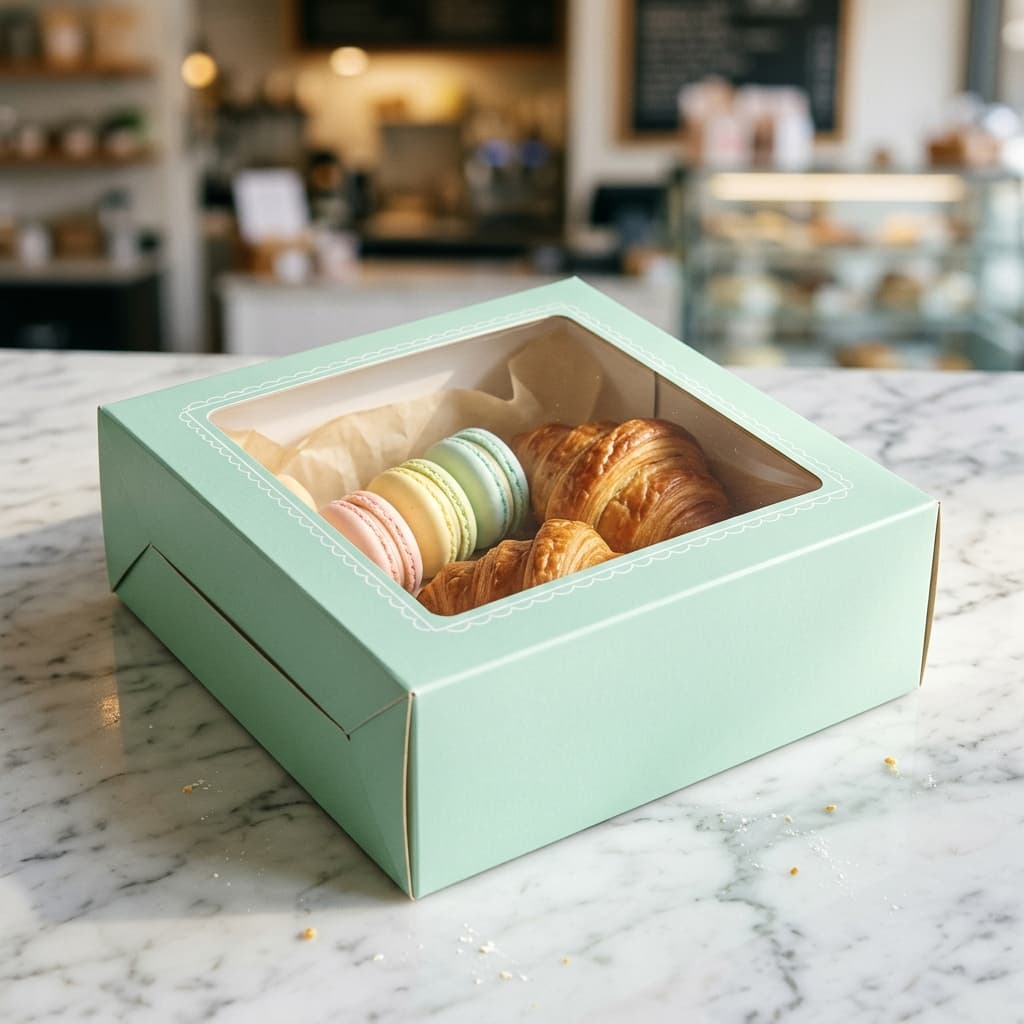
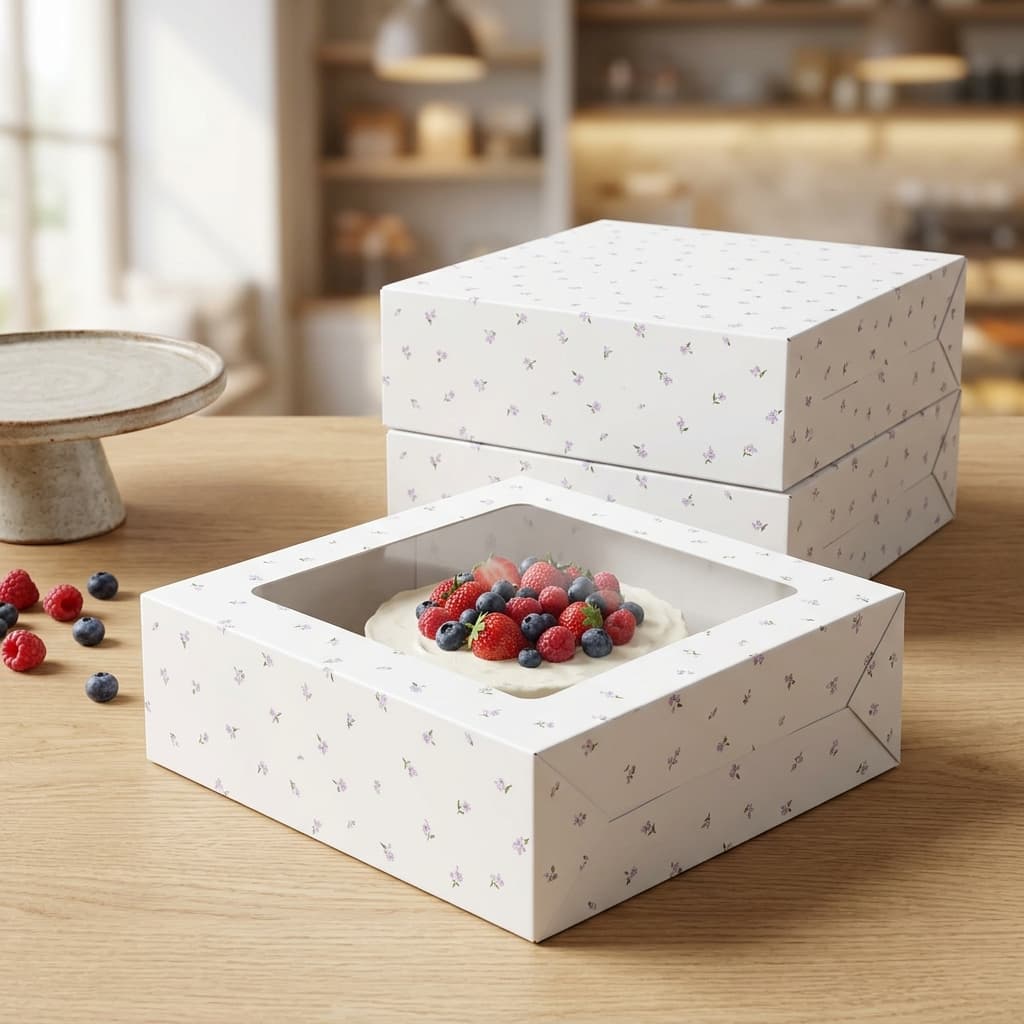
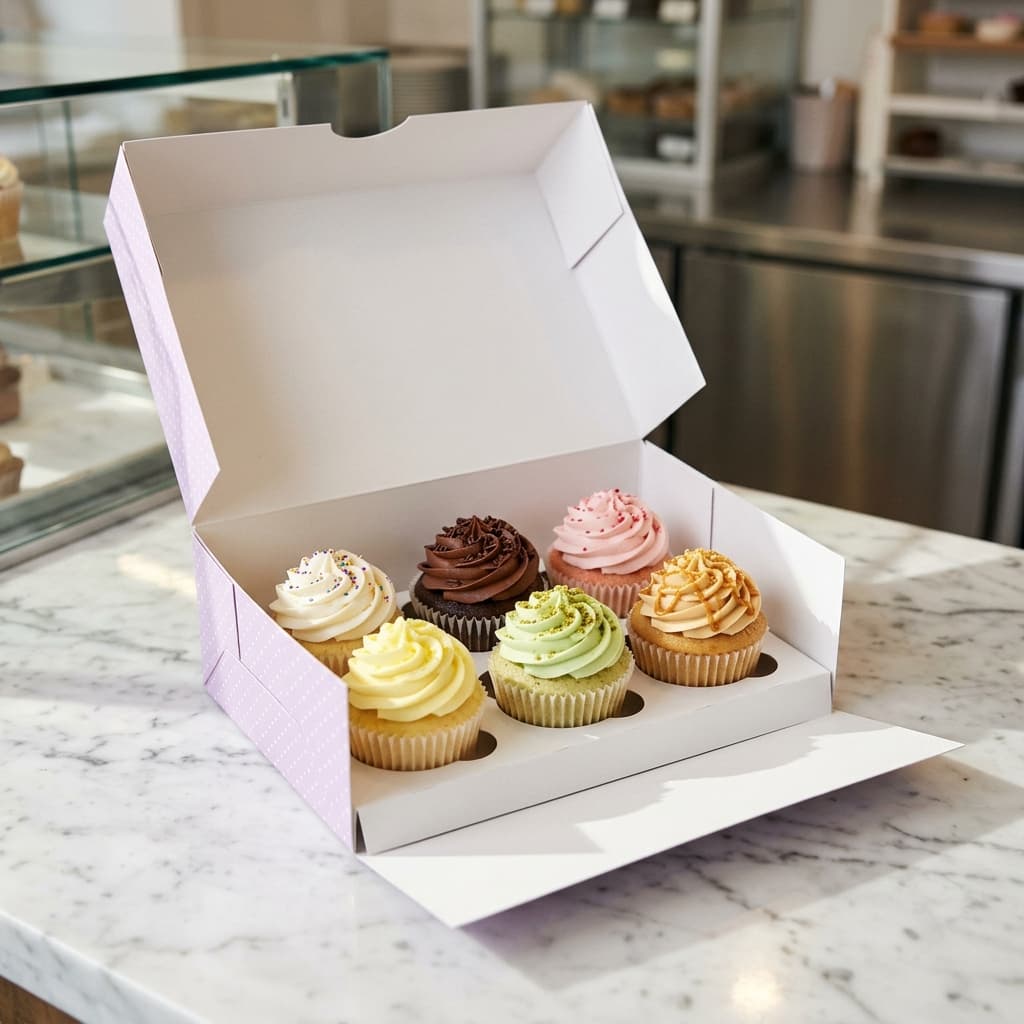
The general style is the bakery box: a tuck-top or lidded box, made in two or three heights, that takes whatever the order holds. Specialist styles each solve one problem: the cake box has a flat, stiff base and headroom; the cupcake box and donut box hold a set count in place; the macaron box stands each piece on edge; the pie box is square and shallow for a dish. A gable box adds a carry handle, and rigid bakery boxes are the heavier build for gifts.
- General: bakery boxes in a few depths
- Shaped to a bake: cake, cupcake, donut, macaron, pie
- Carried by hand: gable boxes
- Kept as a gift: rigid bakery boxes
Folding carton, corrugated or rigid: the three builds
Almost every bakery box is one of three builds. A folding carton is a single sheet of paperboard, printed, cut and creased, then folded into shape. It is light, prints sharply on every panel and arrives flat, which suits most counter boxes, cupcake boxes and pastry boxes.
Corrugated board has a fluted layer between two liners, which makes it far stiffer for its weight. We use it for heavy and tiered cake boxes and for any box that has to take weight from above, such as boxes packed together in an outer carton.
A rigid box is built from heavy greyboard covered in a printed or textured wrap. It feels solid in the hand and is kept for chocolates, gift selections and anything sold as a present. They come to you already assembled, or as a collapsible version that folds flat for storage.
How bakery boxes open and close
A tuck lid folds over and tucks into the front. It is the quickest to fill and close at a counter, and the most common closure on general bakery boxes. A lift-off lid is a separate top that sits over a base, so the bake is lowered straight down and the lid goes on from above, clear of the icing.
A front-opening box has a panel that folds down, so a tall cake slides in on its board instead of being lowered. A sleeve slides over a tray and suits slim boxes of cookies or chocolates, and lets you change the sleeve while the tray stays the same. A gable box closes at the top into a handle, so it is carried rather than held.
- Tuck lid: fastest at the counter
- Lift-off lid: lowered in, clear of icing
- Front opening: tall cakes slide in
- Sleeve over tray: change the sleeve, keep the tray
- Gable: closes into a handle
Kraft or white board?
Kraft board is brown all the way through and gives a natural, handmade look. Ink sits on a brown base, so every colour prints darker and softer than on screen, and pale colours can almost vanish. Bold designs in one or two colours print best on it.
White board shows colours bright and true, which suits pastel ranges, photographs and detailed artwork. If you want the kraft look with one bright element, such as a coloured logo, we can print a white layer under just that element so it keeps its colour on the brown board.
Coatings and liners on the inside
The inside of a bakery box meets butter, oil, glaze and moisture. Plain board soaks them up and shows dark marks through to the printed outside. A grease-resistant board or inner coating stops that, and a greaseproof liner laid in the bottom does the same job in a box that is otherwise plain.
Where warm bakes go in, vent holes in the walls or lid let steam out of the box, so the board doesn't soften. Bread boxes and pastry boxes are the usual places for them.
Windows: where they go and what covers them
A window is cut into the box when it is die-cut, so its shape and position are part of the dieline. We place it over the part of the bake you most want seen, usually in the lid, or wrapping from the lid down the front so a cake can be seen from the side as well.
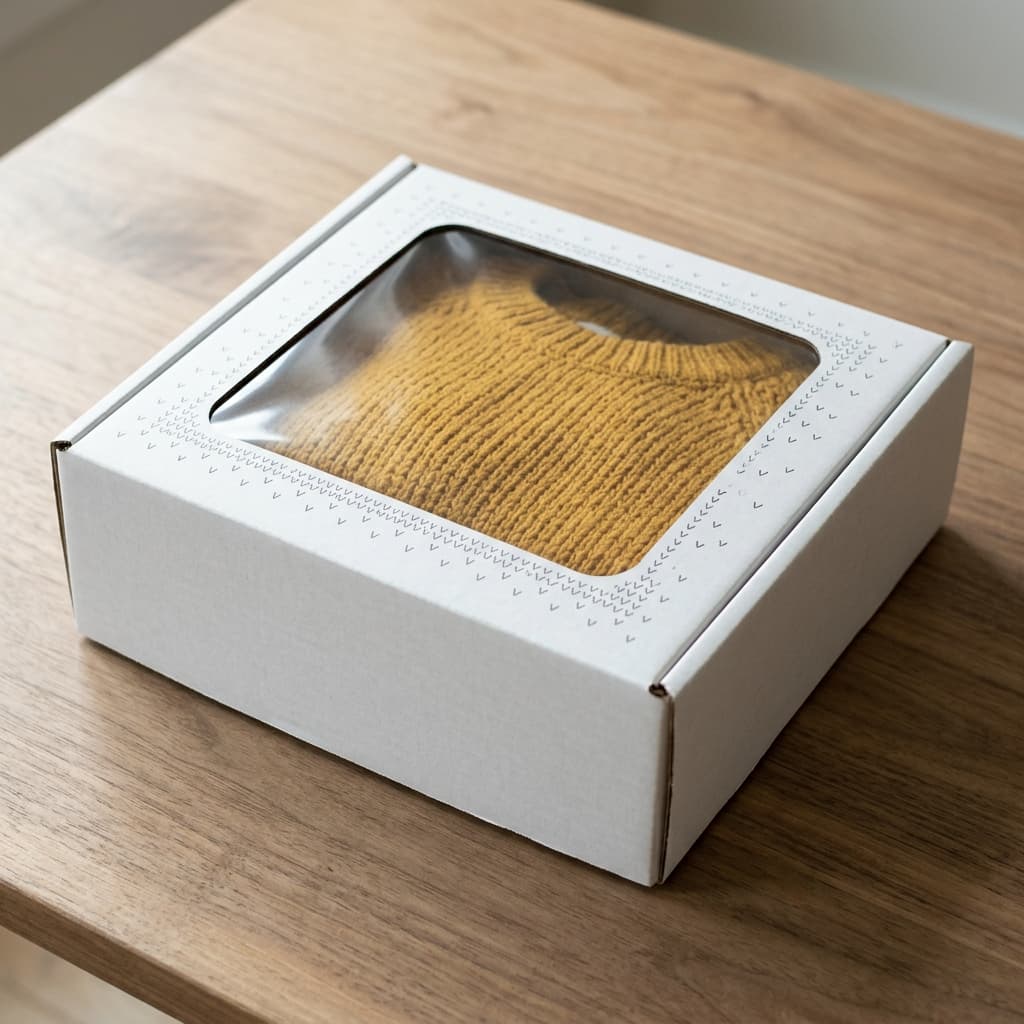
Most windows are covered with clear film, which keeps dust and fingers off the bake and holds the box's strength. Leaving the opening uncovered suits only dry bakes, because grease and crumbs show around its edges. Leave a margin of board around any window, so the lid stays stiff. See our window boxes for the shapes we make.
Inserts, trays and dividers
An insert is what holds the bakes in their places inside the box. In bakery boxes it is usually a paperboard insert with a hole or slot for each piece, a card divider between rows or layers, or a tray with a cavity for each piece.
We draw the insert on its own dieline alongside the box, so the two fit each other and your bakes. Inserts can be plain or printed, and a printed insert in a contrasting colour is one of the simplest ways to make the opened box look finished.
- Holes or slots for single pieces
- Card dividers between rows and layers
- Trays with a cavity per piece
- Plain or printed
Printing a bakery box
Bakery boxes are printed flat, before they are cut and folded, so every panel can carry print, including the inside of the lid. Full-colour CMYK covers photographs, patterns and illustrations, and a Pantone colour keeps one brand colour exact across every box size. Our printing page explains both.
On the lid, one finish such as foil or embossing on the logo gives a box a gift feel without changing its build. Leave a clear panel for a label, so flavours, ingredients and dates go on a sticker and one printed box serves your whole range.
Bakery box mistakes to avoid
These are the box choices that cause most trouble once boxes are printed.
- A box sized to the bake instead of its board or case
- Plain board where butter or glaze touches the inside
- Paperboard for a heavy or tiered cake that needs corrugated
- An open cut-out window on a greasy bake
- Pale colours on kraft board, which print far darker
- Flavours or ingredients printed on the box instead of a label
Choosing yours
Our bakery and confectionery packaging page answers the buying questions: how many boxes you need, how to size a cake box, and how cupcakes, donuts and macarons are held. When you are ready, send us your bakes and the count for each box, and we draw the boxes around them and send a digital proof before anything is printed.
Turn the guide into a real box.
Share your product dimensions, quantity, and timing. We'll recommend a practical packaging route.
Request a free quote